HomeCategory

Latest Electronics Industry News & PCB Insights - KKPCB

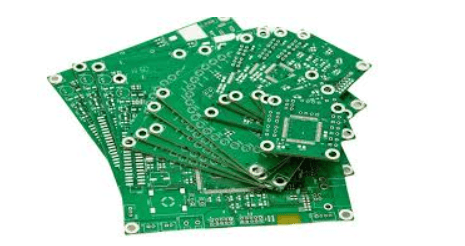
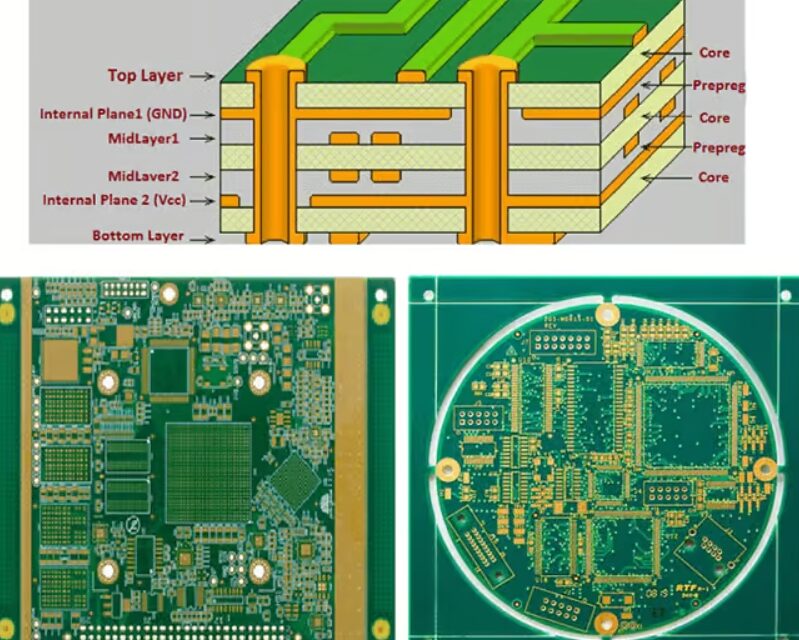
Optimized Article: Multilayer FR4 PCB Substrate Material and Ceramic PCB Comparison

Material selection is one of the most important decisions in PCB development. As electronic products continue evolving toward higher power density, higher frequency operation, and increased reliability requirements, engineers must carefully evaluate whether traditional PCB materials or advanced substrate technologies are suitable for specific applications. Among various PCB substrate solutions, multilayer FR4 PCBs and ceramic...
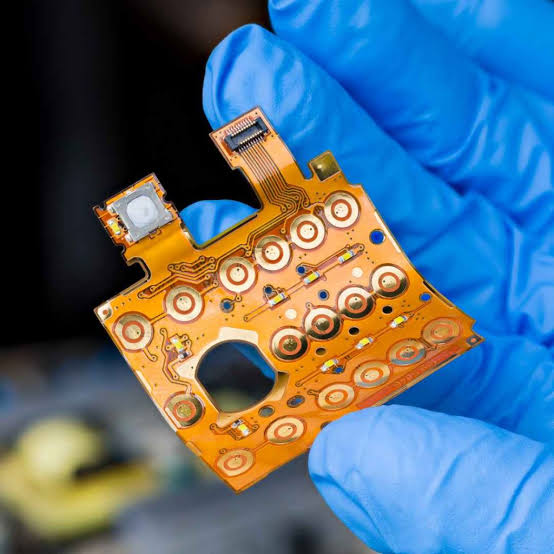
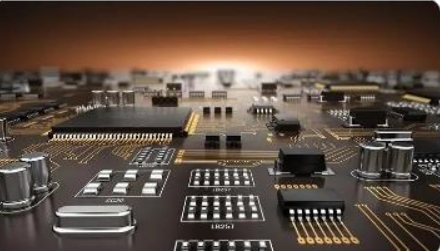
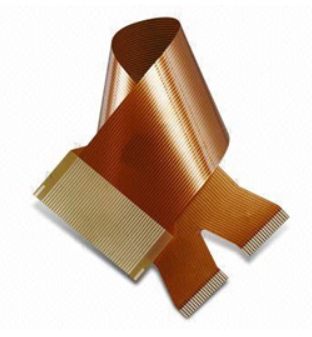
4 layer Flex PCB Manufacturing and Stackup guidelines

With the increasing demand for compact, lightweight, and highly reliable electronic products, flexible printed circuit boards (Flex PCBs) have become an important solution for modern electronic design. Compared with traditional rigid PCBs, Flex PCBs provide: Space-saving three-dimensional installation Reduced weight and thickness Improved mechanical flexibility Fewer connectors and wiring components Better resistance to vibration and...

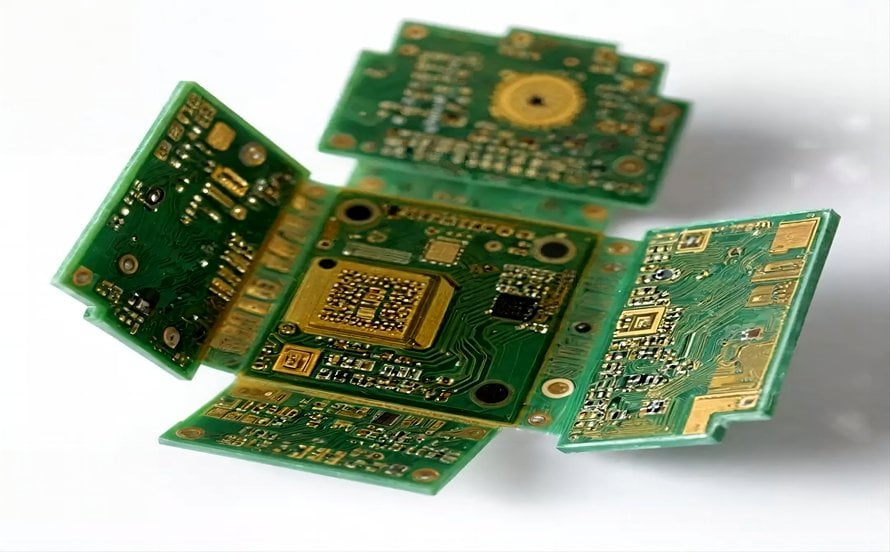
PCB printed circuit board special processing technology

With the continuous development of electronic products toward higher performance, smaller size, higher integration, and improved reliability, traditional PCB manufacturing processes are increasingly unable to meet the requirements of advanced applications. To achieve specific electrical, mechanical, thermal, and reliability performance, PCB manufacturers have developed various special processing technologies beyond standard fabrication processes. PCB special processing...

Comprehensive Guide to RF PCB Design

With the rapid development of wireless communication, radar systems, IoT devices, automotive electronics, and satellite communication technologies, RF (Radio Frequency) PCB design has become increasingly important in modern electronic systems. Unlike conventional digital PCBs, RF PCBs operate at high frequencies where even small variations in: Material properties Trace geometry Layer structure Grounding design Manufacturing tolerance...

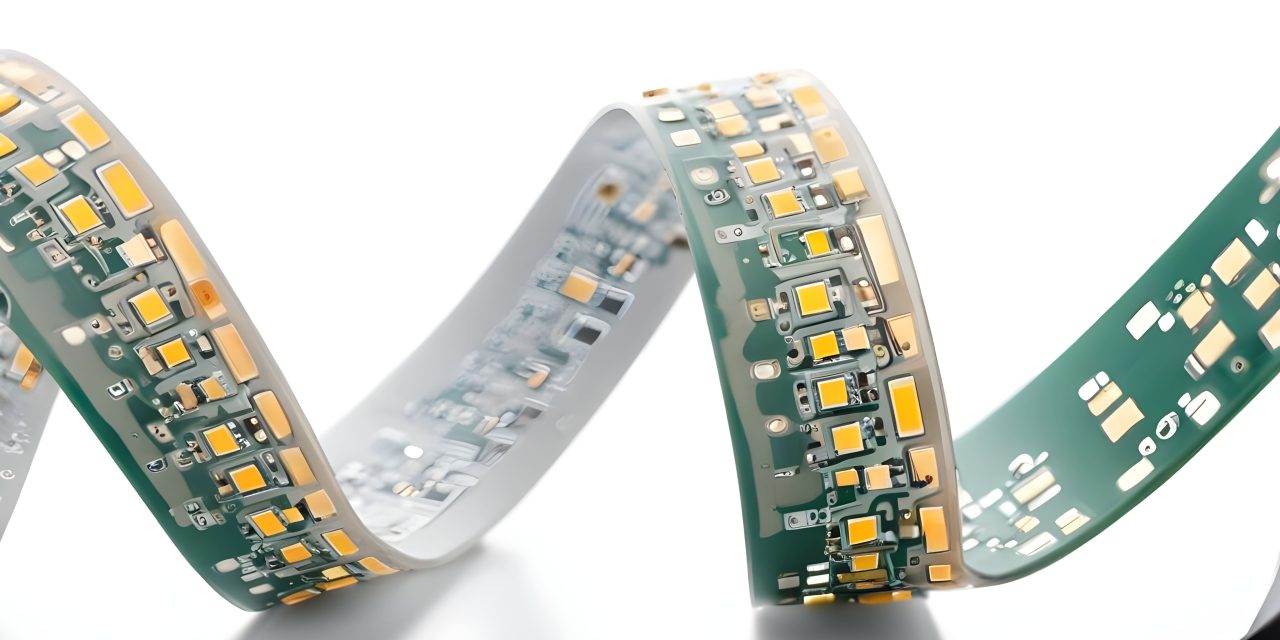
How to Choose the Right Material for Flexible LED PCB

Introduction: Why Material Selection Matters in Flexible LED PCB In modern LED lighting applications, selecting the right material for a flexible LED PCB is critical to achieving optimal thermal performance, flexibility, and long-term reliability. As LED products continue to evolve toward thin, lightweight, and bendable designs, the importance of choosing the correct flexible PCB material...

What to Look For When Choosing a Fast Flex PCB Manufacturer

As electronic products continue to evolve toward miniaturization, lightweight structures, and higher integration, flexible printed circuit boards (Flex PCBs) have become an essential technology for modern electronic systems. Compared with traditional rigid PCBs, Flex PCBs offer unique advantages: Three-dimensional assembly capability Reduced product thickness and weight Improved space utilization Fewer connectors and wiring components Better...

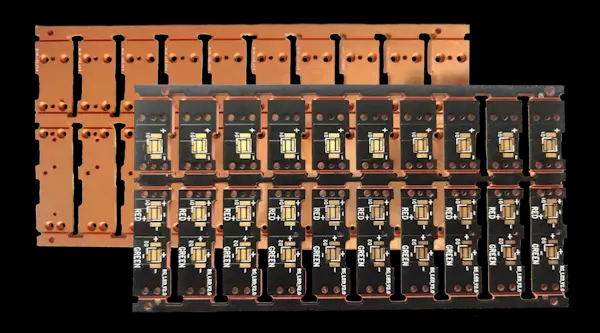
Copper Core PCB: A Revolution in the Electronics Industry

With the rapid development of high-power electronics, electric vehicles, LED lighting, renewable energy systems, and advanced industrial equipment, thermal management has become one of the most critical challenges in electronic product design. As electronic components become more compact while power density continues to increase, traditional FR-4 PCBs may face limitations in heat dissipation performance. Copper...

Semi-Rigid PCBs: The Future of Compact and Durable Electronics

With the continuous evolution of electronic products toward miniaturization, lightweight design, and higher reliability, traditional rigid PCBs and flexible PCBs each face certain limitations in advanced applications. Rigid PCBs provide excellent mechanical strength and dimensional stability but lack flexibility for complex installation environments. Flexible PCBs offer excellent bending capability and space utilization but may not...

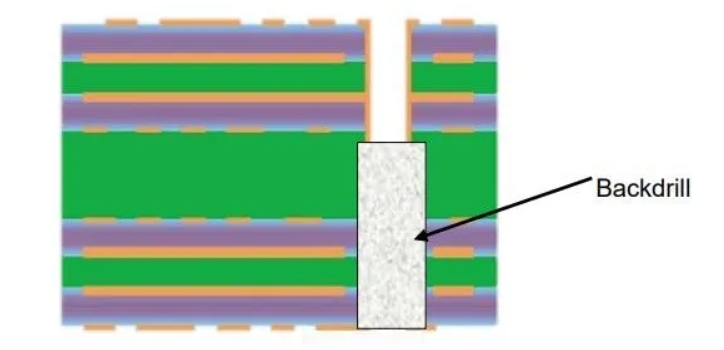
What is Backdrill and How Was It Done in PCB Manufacturing?

As electronic products continue to demand higher data rates, faster signal transmission, and improved signal integrity, traditional PCB manufacturing methods face increasing challenges. In high-speed PCB designs, even small parasitic effects caused by vias can negatively impact signal performance. One common issue is the via stub, which is the unused portion of a plated through...

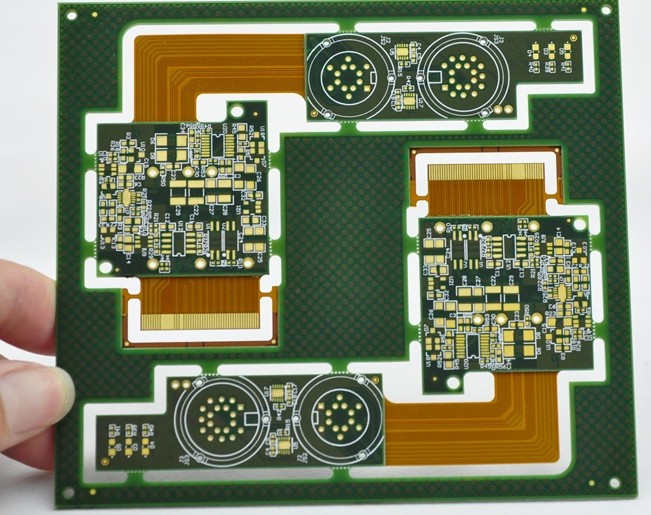
Rigid-Flex PCBs: Features, Benefits and Challenges

Introduction: The Rise of Rigid-Flex PCB Technology As modern electronics continue to evolve toward miniaturization, high reliability, and complex system integration, Rigid-Flex PCBs have become a key solution in advanced PCB design and manufacturing. By combining the strengths of rigid PCBs and flexible PCBs, Rigid-Flex PCB technology enables innovative product designs that are both compact...