high-reliability PCB - KKPCB
 
HomeTag

high-reliability PCB - KKPCB

High Tg PCB: High Thermal Stability Solutions for Reliable Electronic Applications

What is a High Tg PCB? A High Tg PCB is a printed circuit board manufactured using materials with a high glass transition temperature (Tg), typically above 170°C. The Tg value represents the temperature at which the PCB material transitions from a rigid state to a softer, more flexible state. A High Tg PCB maintains...

Ceramic PCB: High Thermal Performance Solutions for Advanced Electronics

What Is a Ceramic PCB? A Ceramic PCB is a high-performance thermal PCB built on a ceramic substrate, designed for applications requiring efficient heat dissipation, electrical insulation, and high reliability. Unlike standard FR-4 or metal-core PCBs, a ceramic PCB uses materials such as: Aluminum Oxide (Al₂O₃) Aluminum Nitride (AlN) Beryllium Oxide (BeO) These ceramic substrates...

High Reliability PCBs: Designing for Long-Term Performance and Failure Prevention

What Does “High Reliability” Really Mean? A High Reliability PCB is not simply a well-manufactured board—it is a PCB designed to perform consistently over time under defined environmental and electrical stress conditions. Reliability is measured not just by initial functionality, but by the ability to: Maintain performance over long lifecycles Withstand thermal, mechanical, and electrical...

High Tg PCBs: Enhanced Thermal Stability for Advanced Electronics

A High Tg PCB is a printed circuit board designed using laminates with elevated glass transition temperatures (Tg), typically above 170°C. High Tg materials maintain mechanical integrity, dimensional stability, and electrical performance under high-temperature operations, soldering processes, and thermal cycling. High Tg PCBs are essential in applications where heat dissipation, reliability, and long-term durability are...

Satellite PCBs: High-Reliability Circuit Boards for Space Applications

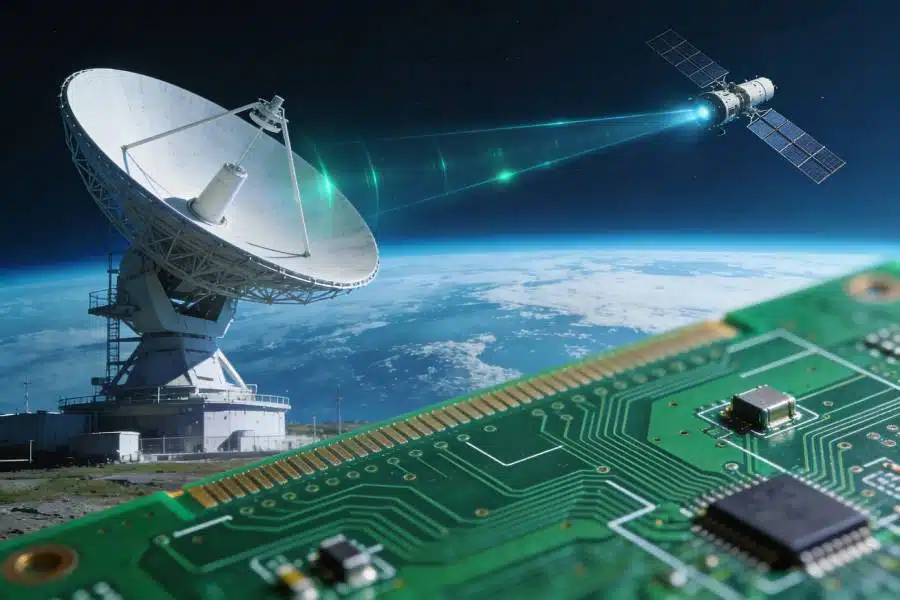
A Satellite PCB is a printed circuit board designed for use in satellite systems and spacecraft electronics, where extreme environmental conditions and high reliability are critical. Unlike terrestrial PCBs, satellite PCBs must operate under wide temperature variations, intense radiation, vacuum, and mechanical vibration, while maintaining electrical performance over long mission durations. Satellite PCBs are employed...

Burn-in PCBs: Ensuring Reliability Through High-Stress Testing

A Burn-in PCB is a printed circuit board specifically designed to support reliability testing of electronic components under elevated temperatures, voltage stress, or operational load. Burn-in testing identifies early-life failures and verifies long-term performance, making these PCBs critical for semiconductor validation, power electronics, and high-reliability systems. Burn-in PCBs are widely used in: Semiconductor testing laboratories...

BT Epoxy PCBs: High-Performance Solutions for Multi-Layer and High-Density Electronics

A BT Epoxy PCB is a printed circuit board that uses Bismaleimide-Triazine (BT) resin as the substrate material. BT Epoxy offers low coefficient of thermal expansion (CTE), high glass transition temperature (Tg), and excellent dimensional stability, making it ideal for multilayer, high-density, and fine-pitch applications. BT Epoxy PCBs are particularly suitable for: High-performance computing and...

High Reliability PCBs: Design, Manufacturing, and Applications

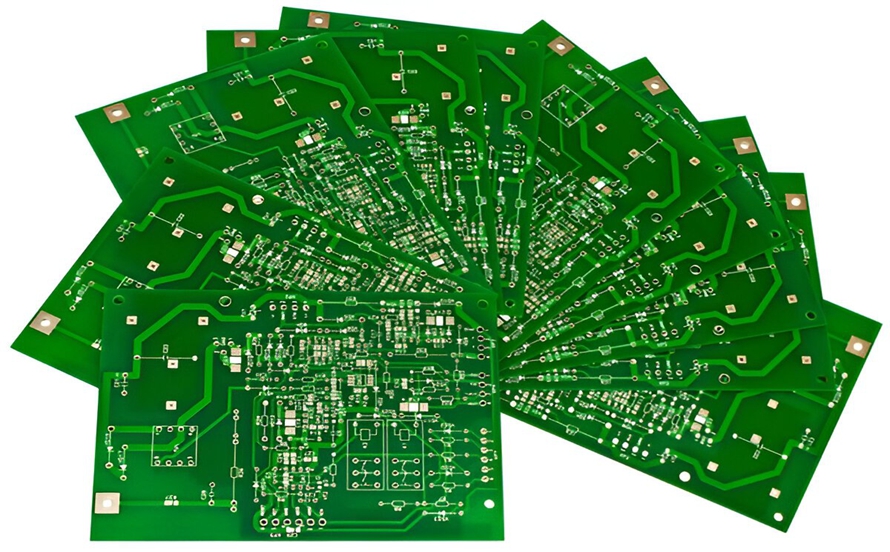
What is High Reliability PCB? High Reliability PCBs are designed to operate consistently in demanding environments where failure is not an option. These boards are used in aerospace, defense, medical devices, automotive, and industrial systems, where extreme conditions like high temperatures, vibration, humidity, and high-frequency operation can challenge standard PCBs. A High Reliability PCB focuses...

Buried Via PCB: Advanced Multilayer Interconnects for High-Density Electronics

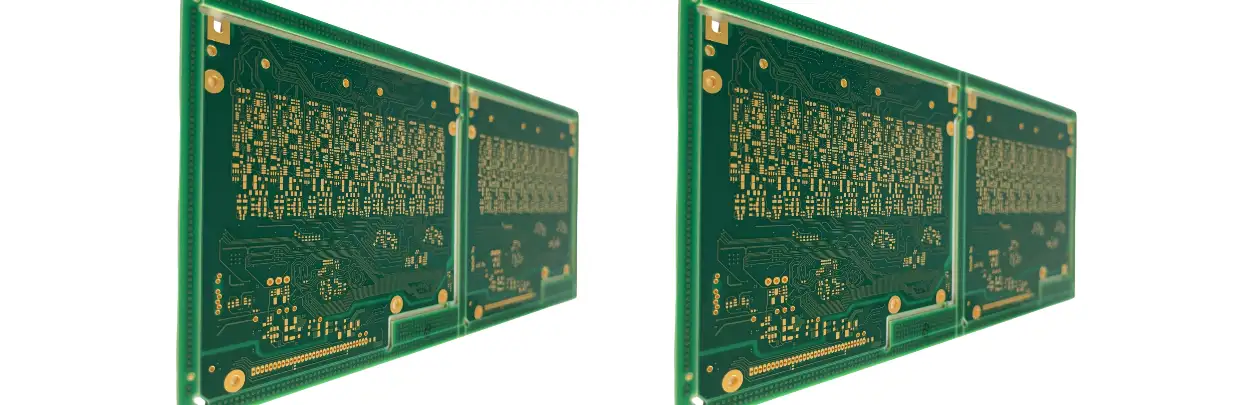
As electronic devices become smaller and more complex, the need for high-density interconnections within printed circuit boards increases. Buried via PCBs offer a solution by connecting inner layers without using surface space, allowing for compact, high-performance multilayer boards. Buried vias improve routing flexibility, signal integrity, and design density, making them critical for advanced applications such...

Rigid-Flex PCB: Combining Flexibility and Rigidity for Advanced Electronic Designs

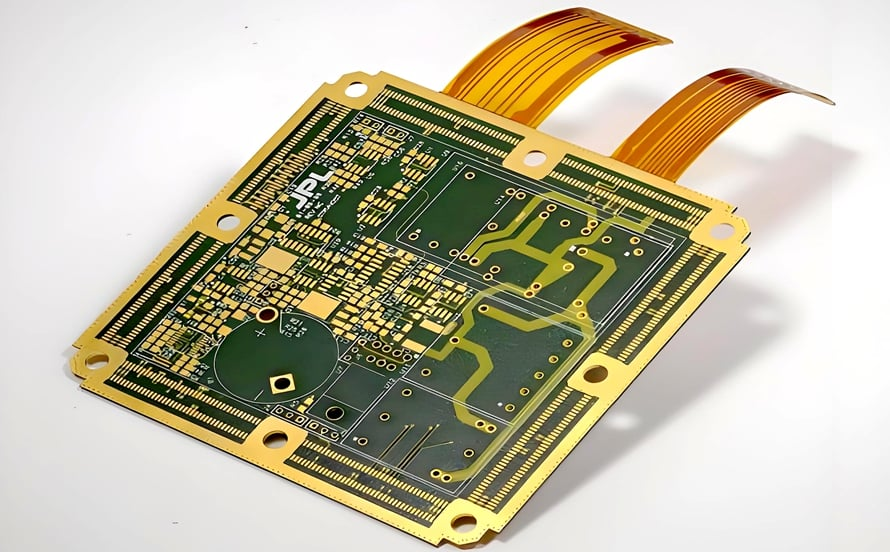
Modern electronic devices demand compact, lightweight, and highly reliable circuit designs. Traditional PCBs can be limiting in complex applications where space constraints and dynamic movement are factors. Rigid-Flex PCBs combine the structural stability of rigid boards with the dynamic flexibility of flexible circuits. This hybrid design enables intricate layouts, reduces interconnects, and improves reliability in...