
Introduction: The Rise of Rigid-Flex PCB Technology
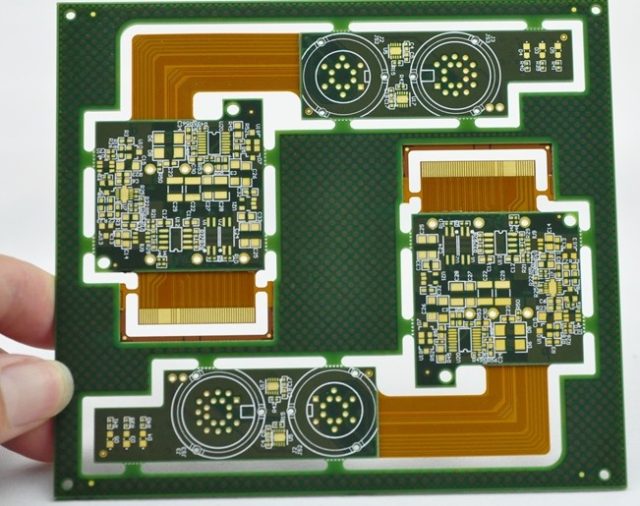
As modern electronics continue to evolve toward miniaturization, high reliability, and complex system integration, Rigid-Flex PCBs have become a key solution in advanced PCB design and manufacturing. By combining the strengths of rigid PCBs and flexible PCBs, Rigid-Flex PCB technology enables innovative product designs that are both compact and highly durable.
From aerospace systems to medical devices and consumer electronics, the demand for Rigid-Flex PCBs is rapidly increasing due to their unique structural and electrical advantages.
What Are Rigid-Flex PCBs?
Rigid-Flex PCBs are hybrid circuit boards that integrate both rigid board sections and flexible circuit layers into a single structure. These boards eliminate the need for connectors and cables by allowing circuits to bend and fold within the design.
A typical Rigid-Flex PCB structure includes:
- Multiple rigid PCB layers for component mounting
- Flexible polyimide layers for bending areas
- Integrated vias and interconnections across layers
This integrated approach improves both mechanical reliability and electrical performance.
Key Features of Rigid-Flex PCBs
1. Integrated Structure Design
Rigid-Flex PCBs combine rigid and flexible sections into one unified board, reducing the need for connectors and improving overall system integration.
2. Space-Saving Capability
By allowing the board to bend and fold, Rigid-Flex PCBs significantly reduce product size and enable more compact electronic designs.
3. High Reliability
Fewer connectors and solder joints mean fewer potential failure points, resulting in improved long-term reliability and better performance in harsh environments.
4. Enhanced Electrical Performance
Shorter interconnections improve signal integrity, reduce signal loss, and support high-speed circuit designs.
Benefits of Using Rigid-Flex PCBs
1. Reduced Assembly Complexity
With fewer connectors and cables, Rigid-Flex PCB assembly becomes simpler, reducing assembly time and potential errors.
2. Improved Mechanical Durability
Flexible sections absorb mechanical stress, making Rigid-Flex PCBs ideal for applications involving vibration, movement, or limited space.
3. Weight Reduction
Eliminating connectors and using flexible materials reduces overall product weight, which is critical in aerospace and portable devices.
4. Higher Design Flexibility
Designers can create complex 3D configurations, enabling innovative product architectures that are not possible with traditional PCBs.
Challenges of Rigid-Flex PCB Design and Manufacturing
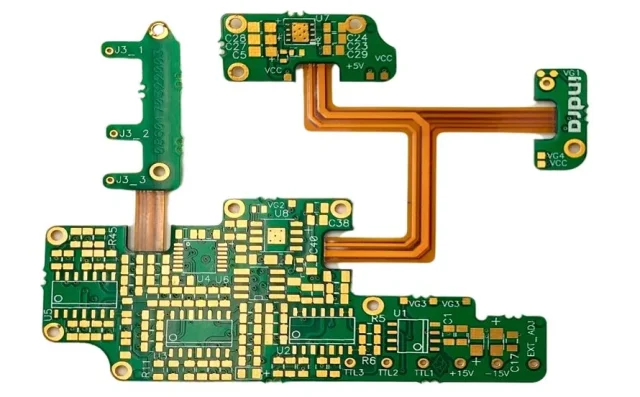
Despite their advantages, Rigid-Flex PCBs also present several challenges:
1. Higher Manufacturing Cost
The complex fabrication process and specialized materials increase the overall cost compared to standard rigid PCBs.
2. Complex Design Requirements
Designing Rigid-Flex PCBs requires expertise in:
- Layer stack-up planning
- Bend radius control
- Material selection
- Signal integrity management
3. Difficult Testing and Repair
Due to their integrated structure, Rigid-Flex PCBs are more difficult to test and repair compared to traditional boards.
4. Process Control Challenges
Manufacturing requires precise control of:
- Lamination processes
- Alignment accuracy
- Flexible material handling
Any deviation can affect final PCB quality.
Applications of Rigid-Flex PCBs
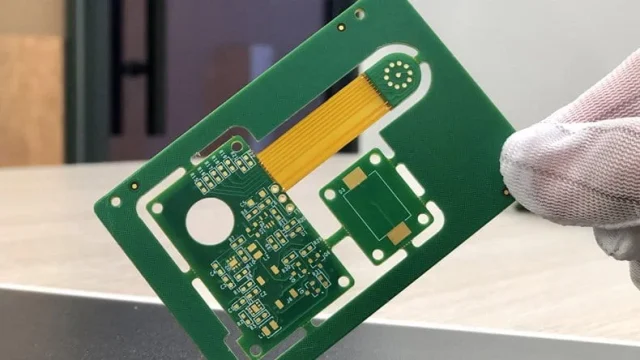
Rigid-Flex PCBs are widely used in high-end and space-constrained applications:
- Aerospace and defense systems
- Medical devices (implantable and portable equipment)
- Consumer electronics (smartphones, cameras)
- Automotive electronics (ADAS, control modules)
- Industrial and wearable devices
These applications benefit from the compact design and high reliability of Rigid-Flex PCBs.
Design Best Practices for Rigid-Flex PCBs
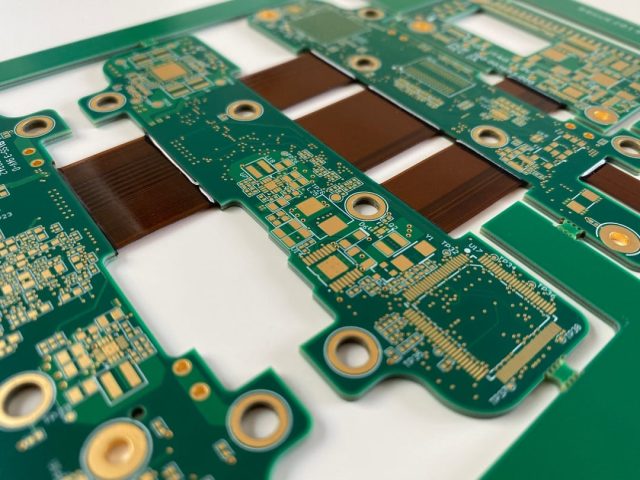
To achieve optimal performance, consider the following Rigid-Flex PCB design guidelines:
- Maintain proper bend radius to avoid material stress
- Avoid placing components in flex areas
- Optimize layer stack-up for both rigid and flexible sections
- Use high-quality materials for durability
- Work with experienced PCB manufacturers
Following these practices helps ensure reliable and high-performance Rigid-Flex PCB solutions.
Conclusion
Rigid-Flex PCBs offer a powerful combination of flexibility, reliability, and design efficiency, making them ideal for modern electronic applications. While they present certain design and manufacturing challenges, the benefits they provide in terms of performance, space optimization, and durability make them a valuable solution in advanced PCB design.
As technology continues to evolve, Rigid-Flex PCB technology will play an increasingly important role in next-generation electronic products.
