HomeTag

high-frequency PCB - KKPCB

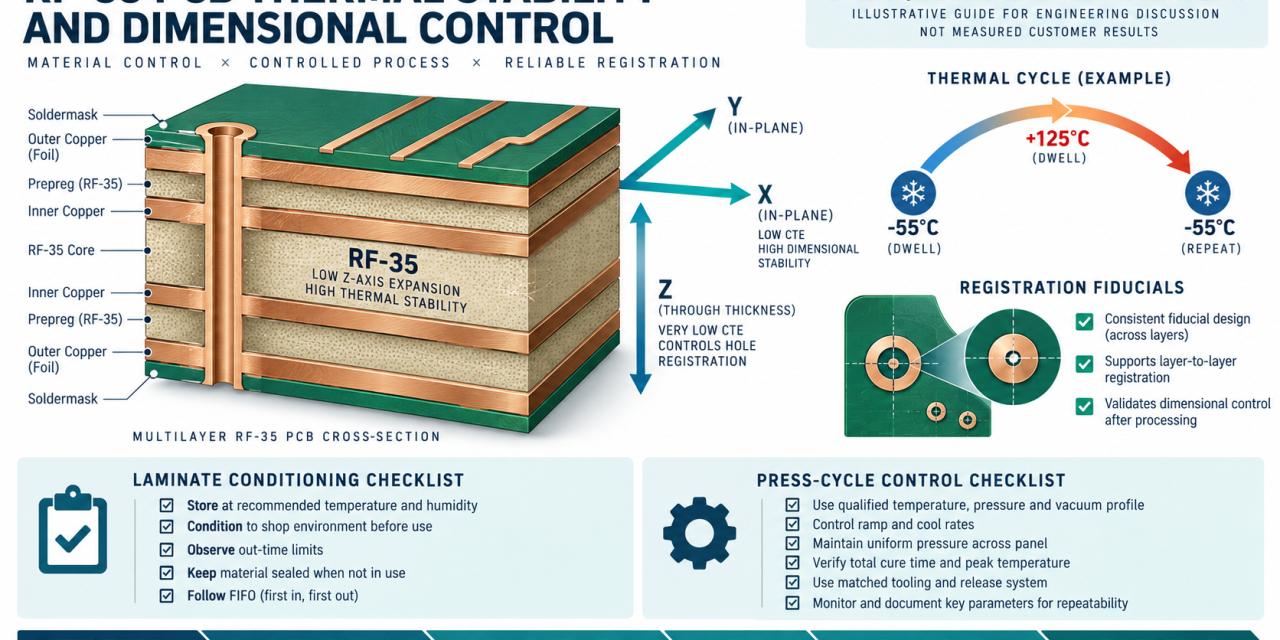
RF-35 PCB Thermal Stability: Controlling CTE, Registration, and Drill Reliability

Thermal drift is an electrical problem when a microwave board moves enough to change trace geometry, connector alignment, or plated-hole stress. This article treats RF-35 PCB as a production material choice and focuses on the thermal-mechanical controls that keep a high-frequency design repeatable from panel build through assembly. Taconic RF-35 typical property tables report a...
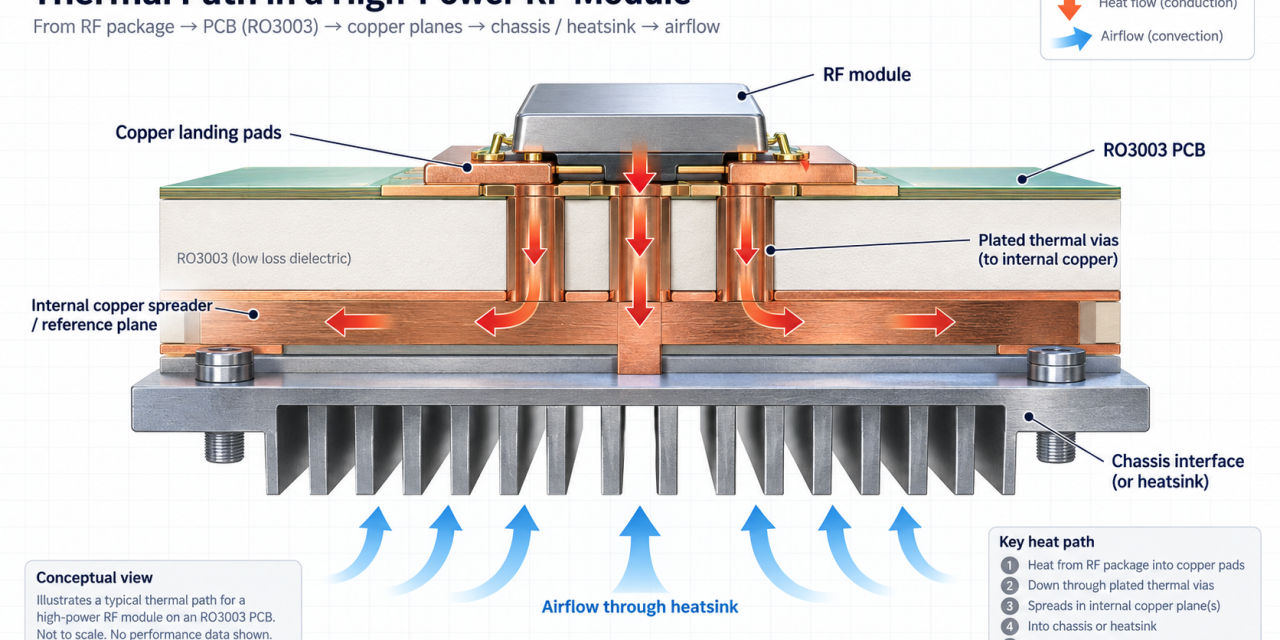
RO3003 PCB Thermal Design for High-Power RF Modules

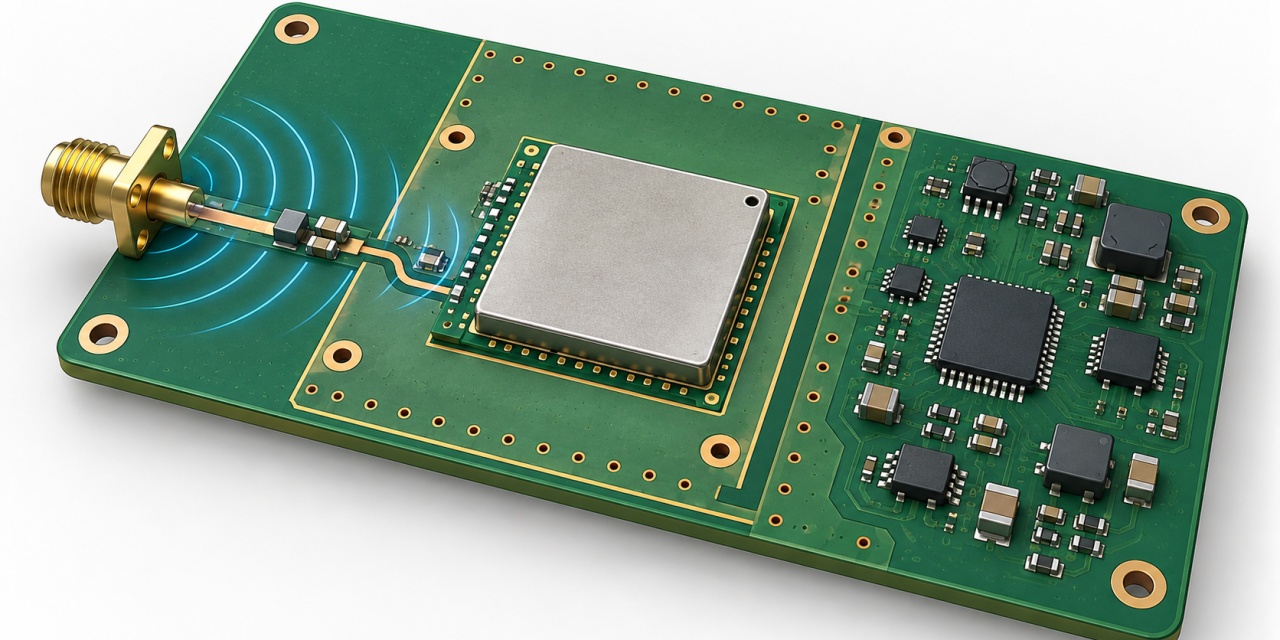
Engineering intent. High-power RF modules combine heat, current, and microwave loss in a small area. This article presents a practical workflow for using an RO3003 PCB as part of a thermal-aware RF module. It is a design guide, not a customer case study or a measured KKPCB result. RO3003 is a ceramic-filled PTFE laminate in...

RO3003 PCB Phased-Array Feed Network Layout

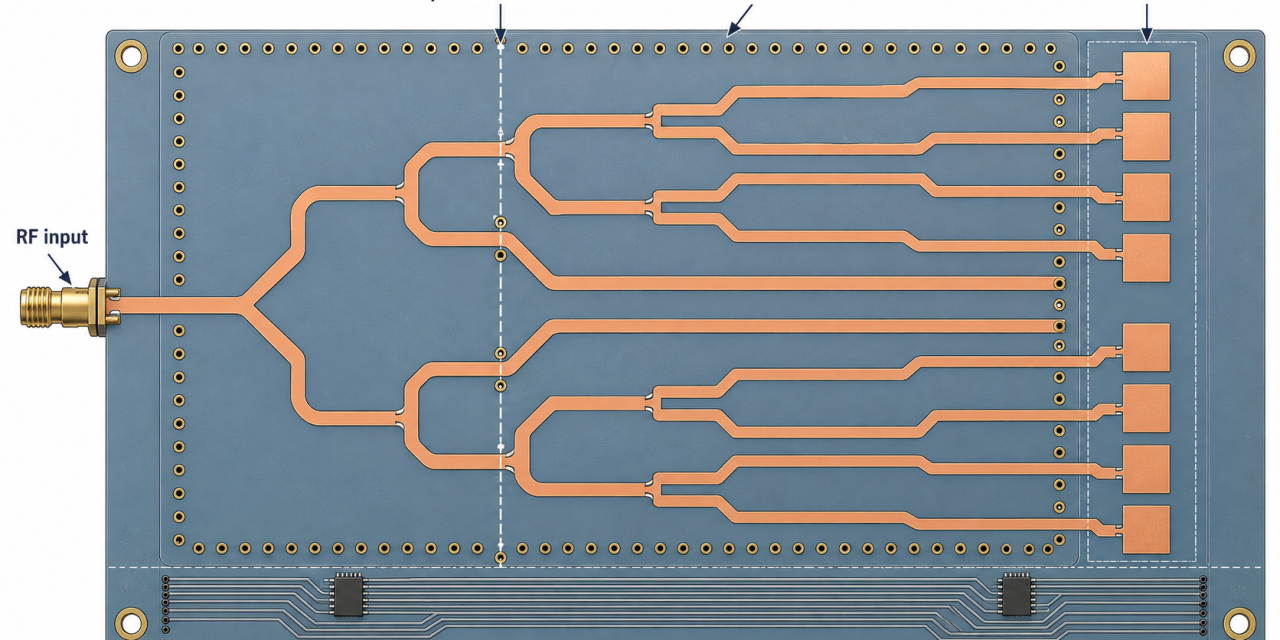
Engineering intent. A phased array can lose beam accuracy when equal-looking traces have different electrical lengths or transitions. This article explains how to plan an RO3003 PCB feed network for a conceptual phased-array module. It separates layout targets from measured production data and does not claim a KKPCB customer case study. RO3003 belongs to the...

High-Frequency PCBs for RF Applications: Materials, Manufacturing, and Design

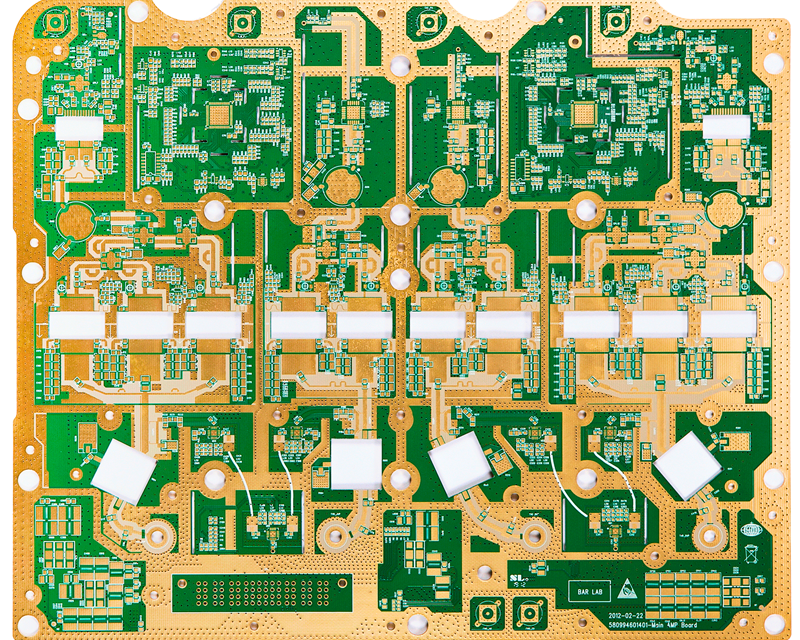
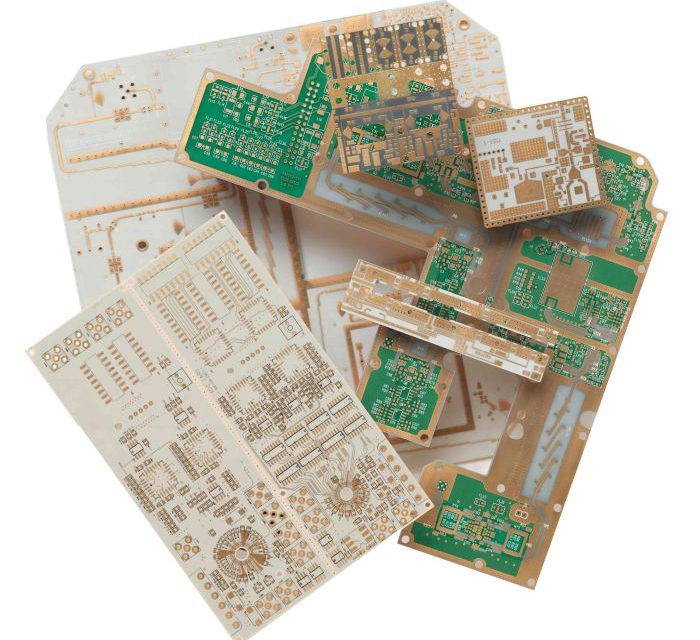
High-frequency PCBs (Printed Circuit Boards) are critical components in modern wireless communication systems. They handle RF (Radio Frequency) signals that range from 300 MHz to 300 GHz, a spectrum used by technologies like 5G, IoT devices, radar systems, and satellite communications. These signals need to travel long distances without losing power or clarity, which is where high-frequency PCBs play...

High Frequency PCB OEM: End-to-End Manufacturing Solutions for RF and Microwave Applications

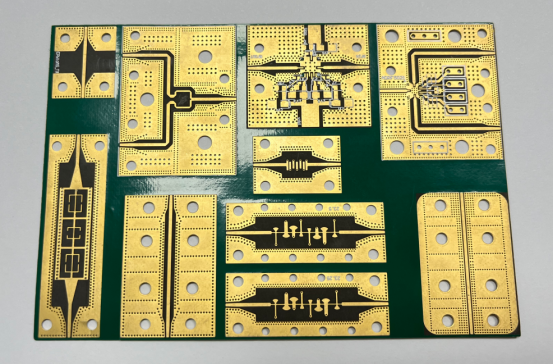
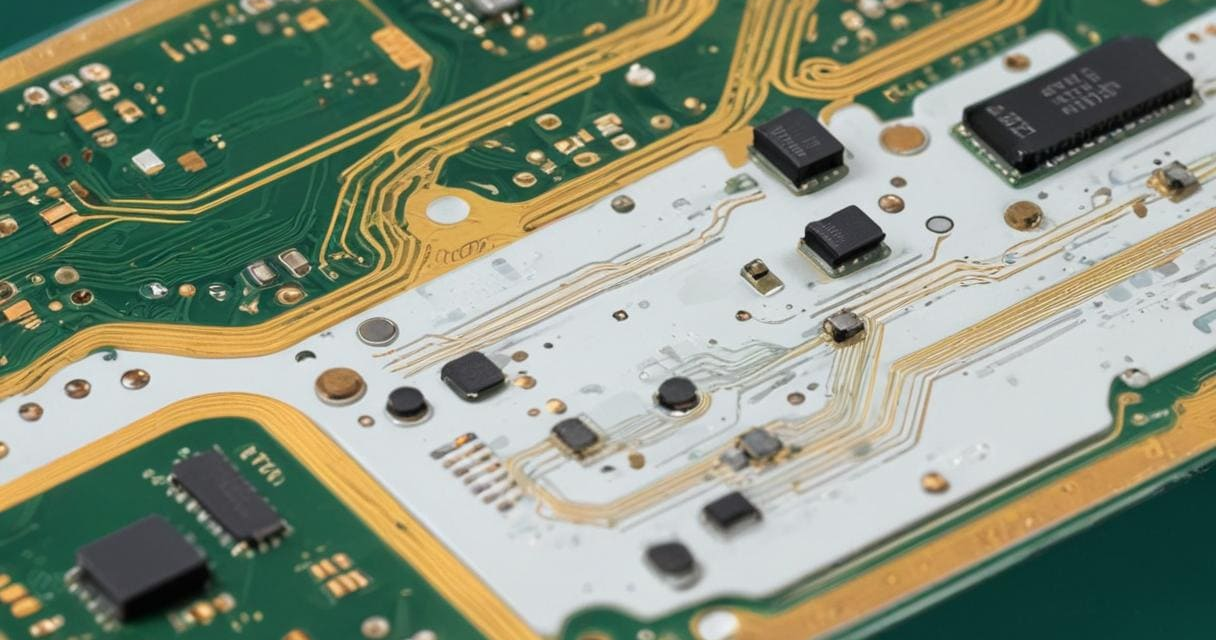
As RF, microwave, and high-speed communication technologies continue to evolve, partnering with a reliable high frequency PCB OEM is critical for companies seeking consistent performance, stable quality, and scalable manufacturing. High frequency PCBs operate at GHz and millimeter-wave ranges, where even small variations in materials or processes can significantly impact signal integrity. This article explains...

Phase Stability and High-Temperature Performance Validation of Ceramic PCBs in Automotive Radar and ADAS Sensor Platforms

Engineering Context / Abstract Advanced automotive radar and ADAS (Advanced Driver Assistance Systems) platforms demand high-frequency PCB substrates capable of precise phase stability, minimal signal loss, and consistent performance under extreme thermal cycles and vibration. High-density radar modules operating in 77–81 GHz bands are particularly sensitive to dielectric fluctuations, EMI, and thermal expansion, which can...

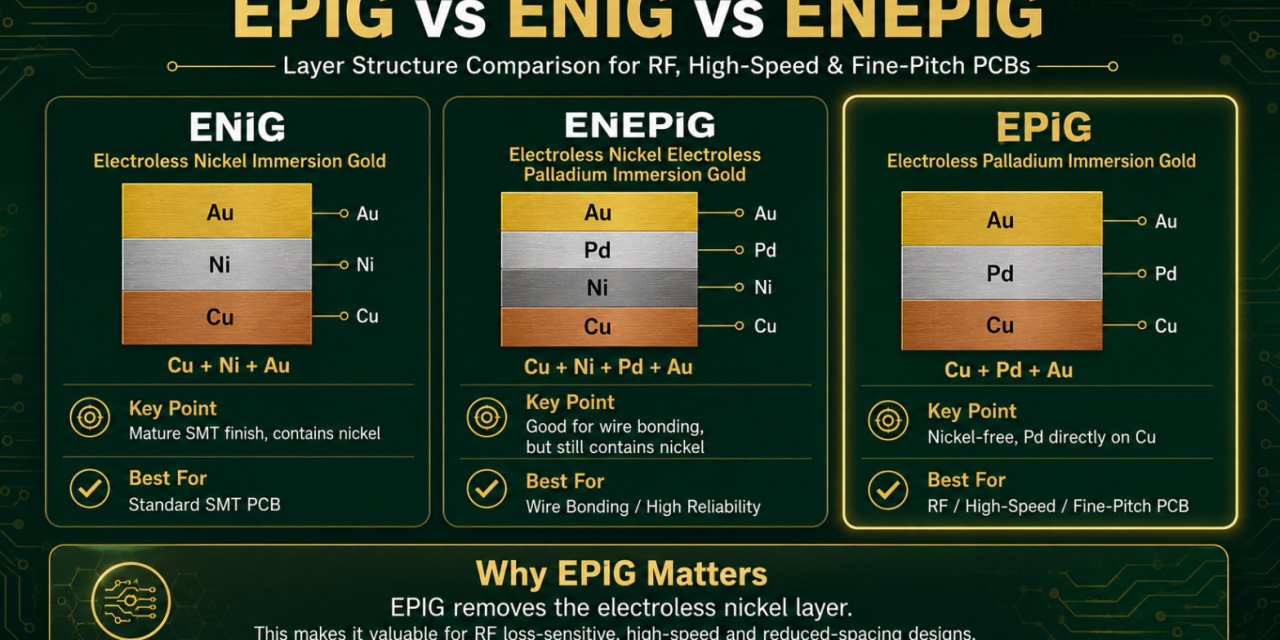
EPIG vs ENIG vs ENEPIG for RF, microwave, high-speed and fine-pitch PCB designs

For standard SMT PCBs, surface finish is often selected for solderability, storage life and cost. But for RF, microwave, high-speed PCB, HDI, fine-pitch, radar, satellite communication, 5G RF and defense communication PCBs, surface finish can become part of the electrical performance discussion. The key question is not simply: Which gold finish is better? The better...