HomeTag

impedance control - KKPCB

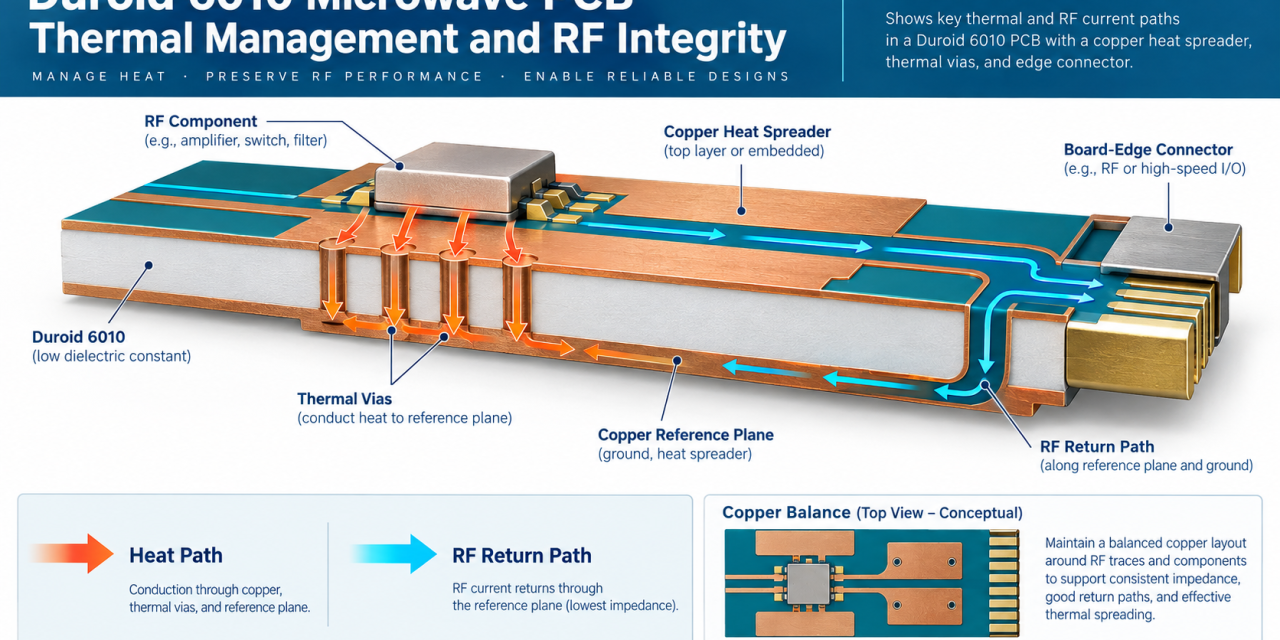
Duroid 6010 PCB Thermal Management: 7 Critical Controls for Stable RF Power

Table of Contents Why thermal and RF paths interact Seven controls for stable power handling Heat path and copper balance Qualification and release evidence Engineering checklist A Duroid 6010 PCB can support compact microwave routing, but RF power and thermal design must be released together. The project pain point is the interaction between copper spreading,...
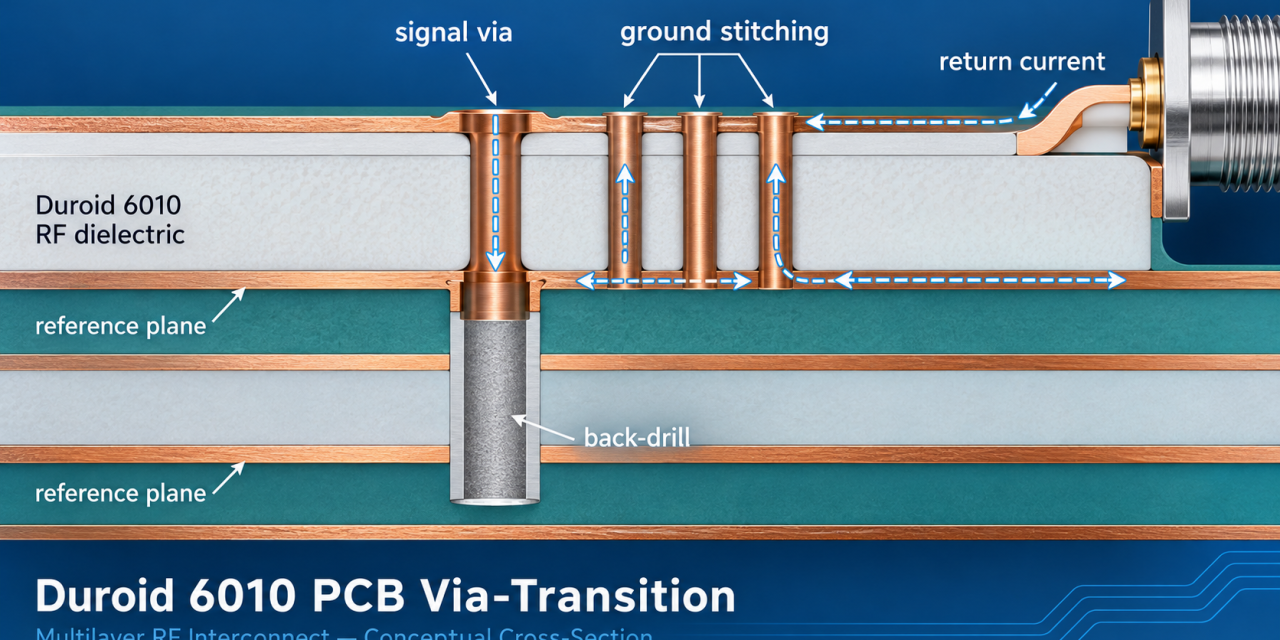
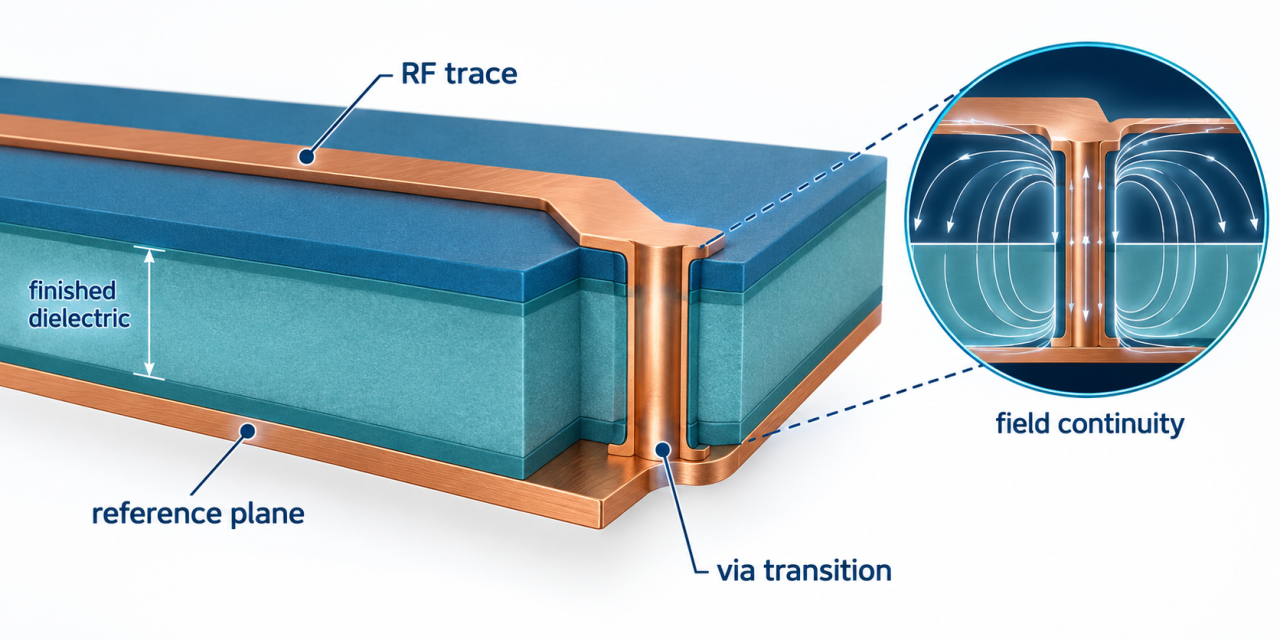
Duroid 6010 PCB Via Transition: 7 Critical Controls for Stable RF Interconnects

Table of Contents Why via transitions become the RF bottleneck Seven controls for a stable interconnect Return path and back-drill Launch and inspection evidence Release checklist A Duroid 6010 PCB via transition can dominate microwave performance when the signal changes layers, connects to a board-edge launch, or crosses a split reference plane. The project pain...

Duroid 6010 PCB Stackup: 7 Critical Controls for Stable High-Frequency Builds

Table of Contents Why stackup control decides RF stability Seven controls for a reliable release Field geometry and finished construction Coupon and fabrication evidence Project release checklist A Duroid 6010 PCB stackup is selected when a microwave project needs a controlled dielectric environment, compact routing, and repeatable transitions. The project risk is not solved by...

Duroid 6002 PCB Connector Launch: 7 Critical Controls for Reliable RF Assembly

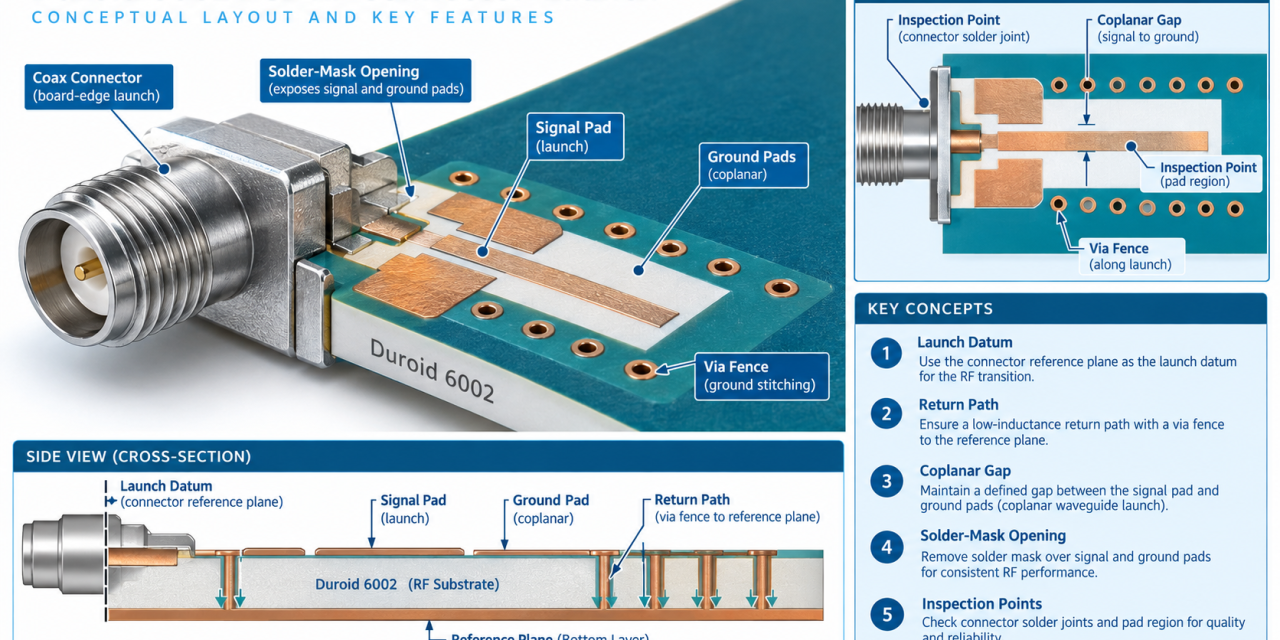
Table of Contents Why connector launches lose margin Seven controls for reliable assembly Launch datum and return path Inspection before release Production handoff checklist When a Duroid 6002 PCB connects a coax, edge connector, or test fixture, the launch is part of the RF circuit—not a mechanical afterthought. Engineers often see good simulated trace performance...

Duroid 6002 PCB Thermal-Mechanical Design: 7 Critical Controls for Stable RF Builds

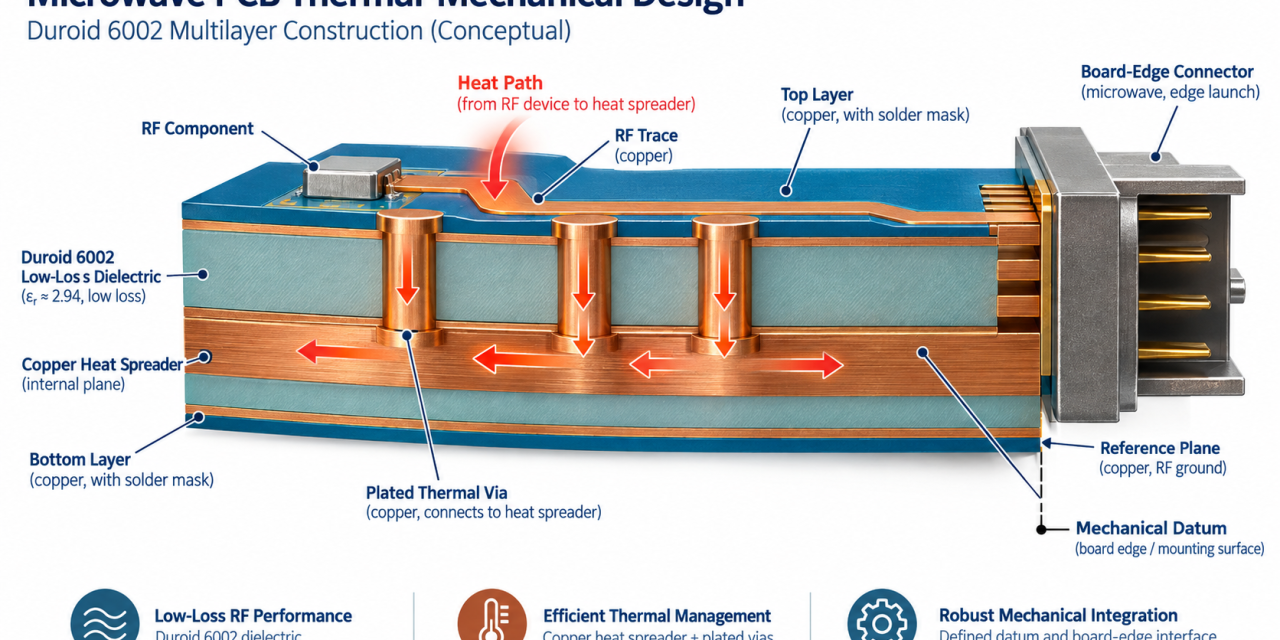
Table of Contents Why thermal-mechanical drift matters Seven controls for a stable build Heat paths and reference planes Qualification without invented data Release checklist Duroid 6002 PCB designs can deliver a low-loss RF path, but thermal expansion, copper distribution, and connector mechanics still determine whether a microwave assembly remains stable after fabrication and reflow. The...

Duroid 6002 PCB Via Transition: 7 Critical Controls for Stable Microwave Return Paths

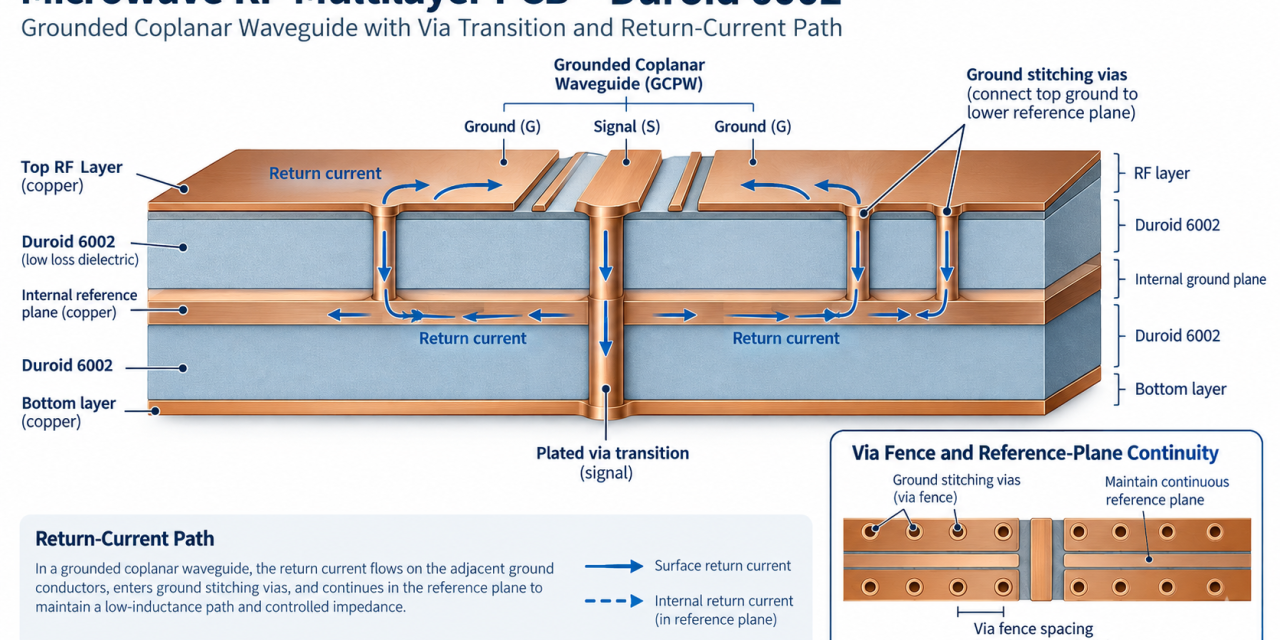
Table of Contents Why via transitions fail in production Seven controls for a stable return path Reference planes and geometry Drilling, plating, and launch details Inspection and release checklist A Duroid 6002 PCB is often chosen for low-loss microwave paths, yet many projects still lose margin at the via transition. The practical problem is rarely...

Duroid 6002 PCB Low-Loss Stackup: 7 Critical Controls for Microwave Module Stability

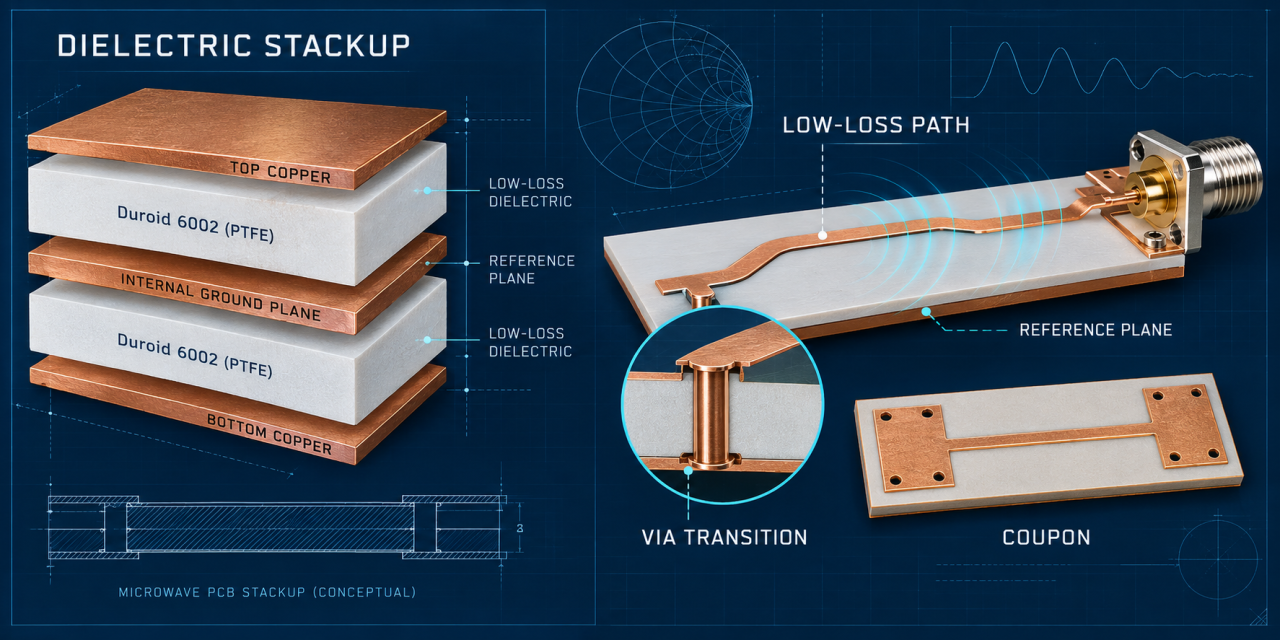
Contents Why low-loss stackup choices drift Seven controls for a stable release Fabrication and inspection flow Project checklist Duroid 6002 PCB projects are often selected for low-loss microwave behavior, then challenged by stackup substitutions, via transitions, and panel process changes. The project pain point is usually not the material name. It is the gap between...

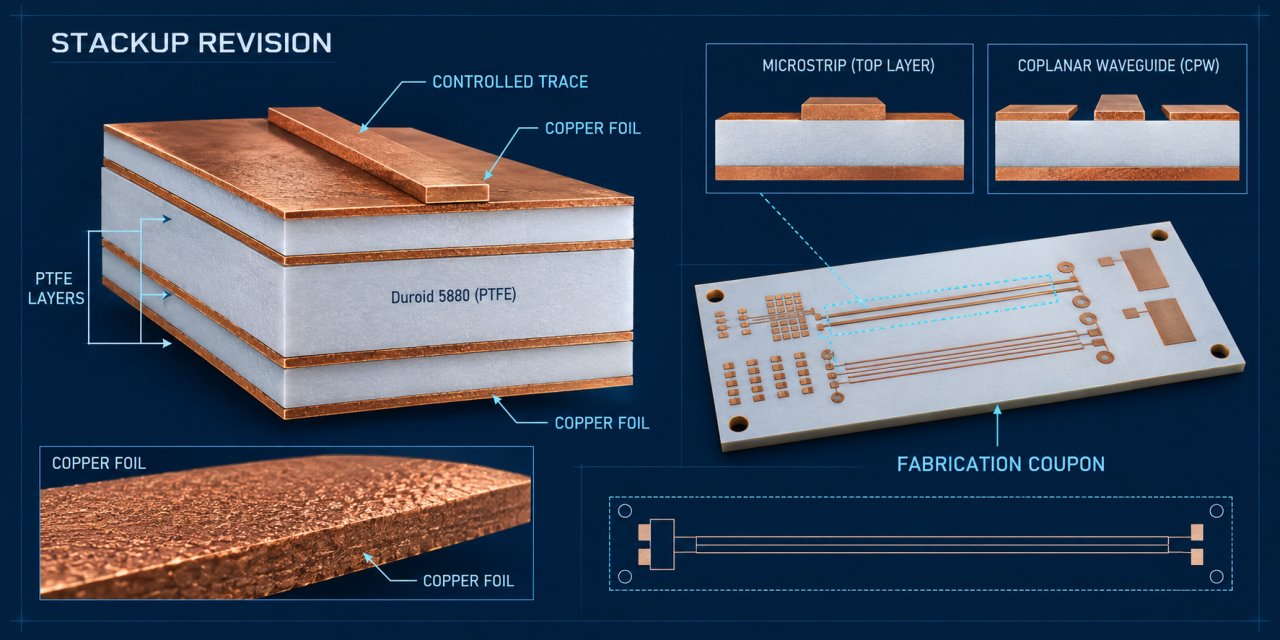
Duroid 5880 PCB Stackup: 6 Critical Controls for Stable Impedance Release

Contents Why stackup drift changes RF behavior Six stackup and impedance controls Coupon and release workflow Release checklist Duroid 5880 PCB stackup decisions determine whether an RF design can move from field model to repeatable fabrication. A nominal dielectric value is not enough. Pressed thickness, copper foil, roughness, trace geometry, and coupon correlation all influence...

High Layer Count PCBs: Design Challenges and Manufacturing Solutions

High Layer Count PCBs (printed circuit boards with 8 layers or more) have become a cornerstone in advanced electronics design. From telecommunications and medical devices to automotive and aerospace systems, these boards allow engineers to pack more functionality into smaller footprints while maintaining high performance. However, as layer counts increase, both design and manufacturing complexities...

Low Loss Materials: The Key to High-Speed, High-Frequency PCB Signal Integrity

Low Loss Materials: Why They Matter for Modern High-Speed and High-Frequency PCB Design As electronic devices become faster and more compact, engineers are facing new challenges in maintaining clean and stable signals across the PCB. In applications such as 5G communication, data centers, high-speed networking, automotive radar, and advanced computing, signal loss can directly impact...