
Introduction: Why Material Selection Matters in Flexible LED PCB
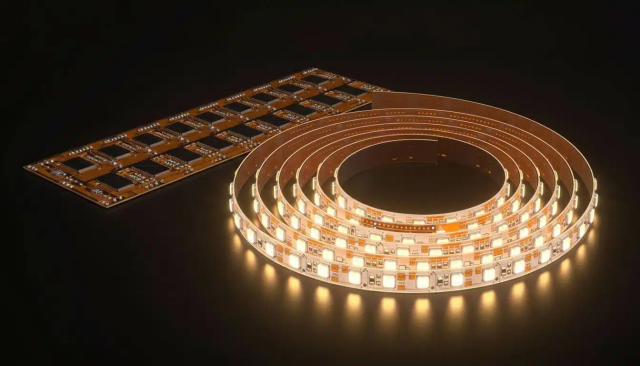
In modern LED lighting applications, selecting the right material for a flexible LED PCB is critical to achieving optimal thermal performance, flexibility, and long-term reliability. As LED products continue to evolve toward thin, lightweight, and bendable designs, the importance of choosing the correct flexible PCB material becomes even more significant.
A well-chosen flexible LED PCB material not only improves heat dissipation and signal stability, but also extends the lifespan of LED systems, especially in demanding environments such as automotive lighting, wearable devices, and architectural illumination.
Understanding Flexible LED PCB Materials
A flexible LED PCB typically consists of a flexible substrate, conductive copper layers, and protective coverlay materials. Unlike rigid PCBs, flexible boards require materials that can withstand repeated bending while maintaining stable electrical performance.
The most commonly used flexible PCB materials include:
- Polyimide (PI) – Known for excellent thermal resistance and mechanical flexibility
- Polyester (PET) – A cost-effective option for low-power LED applications
- Adhesive-based and adhesive-less laminates – Affecting overall reliability and thermal performance
Understanding these material types is the first step in optimizing your flexible LED PCB design.
Key Factors When Choosing Flexible LED PCB Material
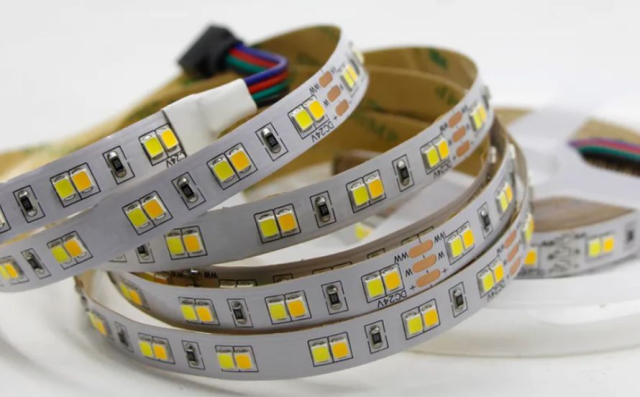
Selecting the right material for a flexible LED PCB requires balancing multiple engineering factors:
1. Thermal Management Capability
LEDs generate heat, and poor heat dissipation can significantly reduce performance and lifespan. Therefore, the thermal conductivity of the flexible PCB material is a key consideration.
- Polyimide materials offer excellent heat resistance
- Thicker copper layers can improve thermal dissipation
- Proper thermal design reduces LED lumen degradation
2. Flexibility and Mechanical Durability
A defining feature of a flexible LED PCB is its ability to bend without failure. The selected material must support:
- Repeated dynamic bending
- Resistance to mechanical stress
- Stability under different installation conditions
High-quality flexible PCB materials ensure durability in applications like wearable LED devices and curved lighting systems.
3. Electrical Performance and Signal Stability
Although LED circuits are typically low-frequency, stable electrical conductivity is still essential. The chosen flexible PCB material should support:
- Low dielectric loss
- Stable signal transmission
- Reliable circuit performance
This is particularly important in smart LED systems with integrated control circuits.
4. Environmental Resistance
Flexible LED PCBs are often exposed to harsh environments. The material must provide:
- Moisture resistance
- Chemical resistance
- High temperature tolerance
For outdoor LED lighting or automotive applications, selecting a robust flexible PCB substrate is critical for long-term stability.
5. Cost vs. Performance Balance
While high-end polyimide-based flexible PCBs offer superior performance, PET materials may be suitable for cost-sensitive projects. Choosing the right flexible LED PCB material requires evaluating:
- Project budget constraints
- Required lifespan
- Application environment
An optimized balance ensures both cost efficiency and product reliability.
Common Material Choices for Flexible LED PCB
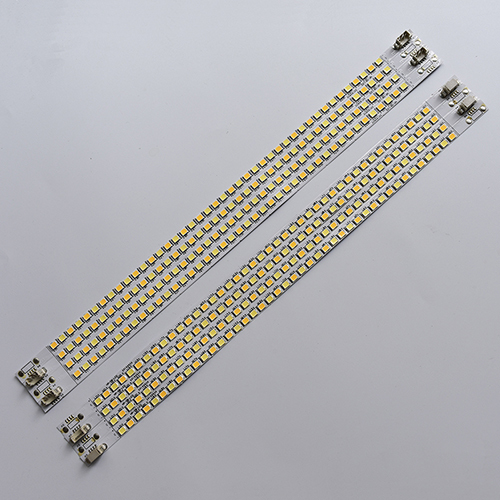
In real-world flexible LED PCB manufacturing, the following materials are most widely used:
- Polyimide (PI) – Best for high-performance, high-temperature LED applications
- PET (Polyester) – Suitable for low-cost, low-power LED strips
- Adhesive-less laminates – Preferred for improved thermal stability and reliability
Each material type directly impacts the performance, durability, and manufacturing complexity of the flexible LED PCB.
Design Tips for Optimizing Flexible LED PCB Material Selection
To maximize the performance of your flexible LED PCB, consider the following design strategies:
- Optimize copper thickness for better heat dissipation
- Use thermal vias or enhanced copper areas when possible
- Avoid sharp bending angles to reduce mechanical stress
- Select appropriate coverlay materials for protection
- Collaborate with experienced PCB manufacturers for material recommendations
These design optimizations help ensure consistent LED performance and long-term PCB reliability.
Conclusion: Making the Right Material Choice
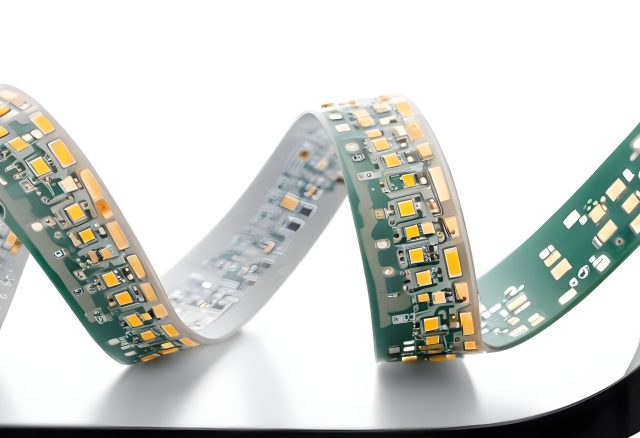
Choosing the right material for a flexible LED PCB is a crucial step that directly impacts thermal management, flexibility, and product lifespan. By carefully evaluating material properties, application requirements, and cost considerations, engineers can design high-performance flexible LED PCBs that meet modern industry demands.
In a competitive LED market, the right flexible PCB material selection is not just a technical decision—it is a strategic advantage.
