high-speed PCB - KKPCB
 
HomeTag

high-speed PCB - KKPCB

Impedance Controlled PCB: Precision Solutions for High-Speed & RF Signal Integrity

What is an Impedance Controlled PCB? An Impedance Controlled PCB is a printed circuit board designed and manufactured to maintain a specific characteristic impedance for signal traces, ensuring consistent signal transmission. In high-speed and RF designs, the PCB trace behaves like a transmission line. Without proper impedance control, signals can suffer from reflection, distortion, and...

High Layer Count PCB: Advanced Multilayer Solutions for Complex Electronic Systems

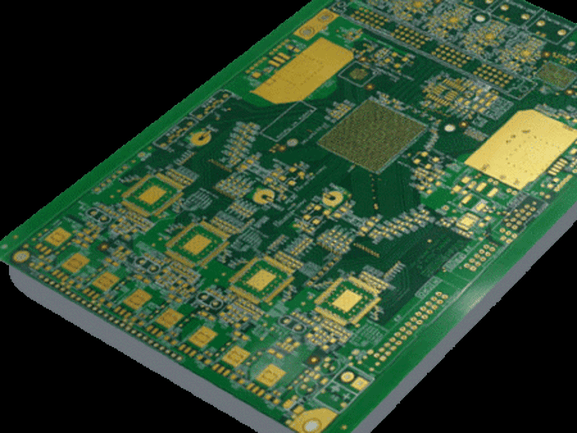
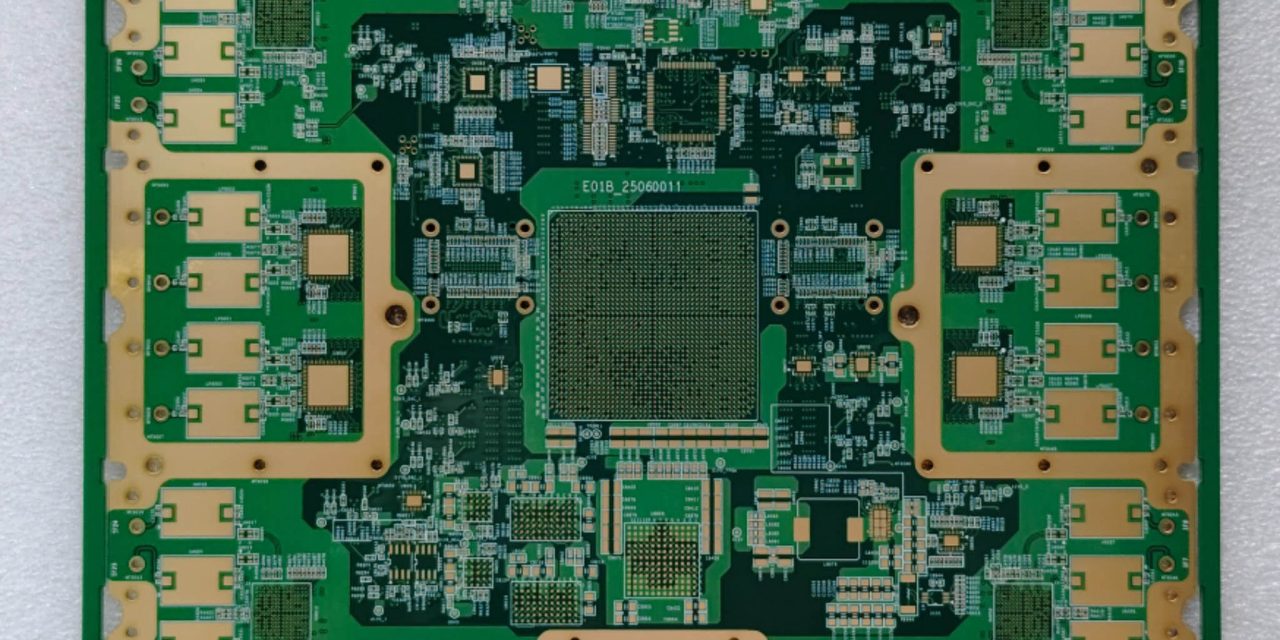
What is a High Layer Count PCB? A High Layer Count PCB refers to a multilayer printed circuit board with a large number of layers, typically 10 layers and above, and often reaching 20, 30, or even 50+ layers in advanced applications. A high layer count PCB is designed to handle complex routing, high-speed signals,...

5G mmWave PCB: Advanced High-Frequency Design for Millimeter Wave Applications

What is a 5G mmWave PCB? A 5G mmWave PCB is a high-frequency printed circuit board designed to operate in the millimeter wave (mmWave) frequency range, typically between 24 GHz and 100 GHz. At these frequencies, the PCB is no longer just a carrier—it becomes a critical part of the RF system, directly impacting signal...

Low Loss PCB: High-Speed & High-Frequency Solutions for Signal Integrity Optimization

What is a Low Loss PCB? A Low Loss PCB is a printed circuit board designed using materials and structures that minimize signal attenuation (loss) during transmission, especially in high-frequency and high-speed applications. As data rates and frequencies increase, signal loss becomes a critical issue. Standard PCB materials like FR4 introduce higher dielectric loss, making...

BT Epoxy PCB: High-Performance Substrate for IC Substrates, BGA & High-Speed Applications

What is BT Epoxy PCB? BT Epoxy PCB refers to printed circuit boards manufactured using Bismaleimide-Triazine (BT) resin, a high-performance material widely used in semiconductor packaging and advanced electronic applications. Compared to standard FR4, BT epoxy offers superior thermal stability, lower moisture absorption, and improved electrical performance, making it ideal for IC substrates and high-reliability...

Taconic PCB: High-Frequency Material Solutions for RF, Microwave & 5G Applications

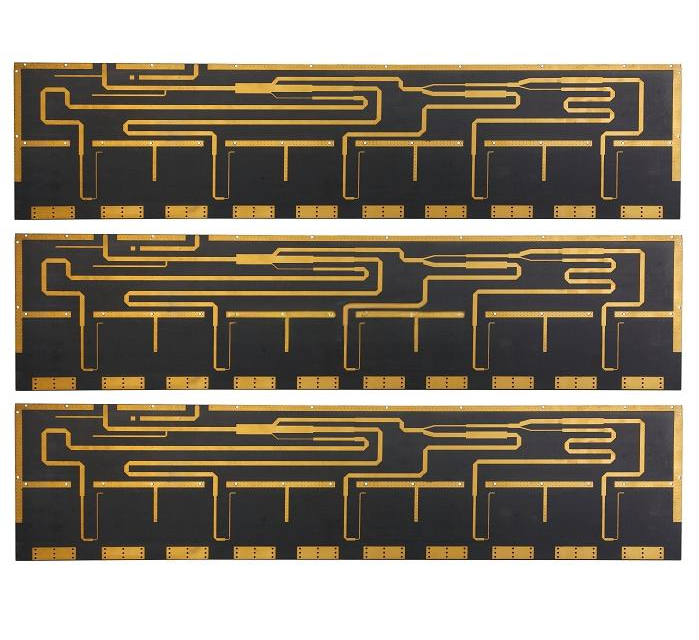
What is Taconic PCB? Taconic PCB refers to printed circuit boards manufactured using high-performance laminates from Taconic, a well-known material supplier specializing in RF and microwave substrates. These materials are primarily PTFE-based (Polytetrafluoroethylene) composites, designed for applications where low dielectric loss, stable signal transmission, and high-frequency performance are critical. Taconic laminates are widely used in...

Logic Test PCB: Designing High-Speed Digital Test Platforms for Accurate Validation

What Is a Logic Test PCB? A Logic Test PCB is a specialized digital test PCB used to verify the functionality, timing, and performance of digital ICs and high-speed logic devices. Unlike standard circuit boards, a Logic Test PCB is designed as part of an ATE PCB system, where accurate signal delivery and measurement are...

BT Epoxy PCB: High-Performance Substrates for IC Packaging and High-Speed Design

What Is a BT Epoxy PCB? A BT Epoxy PCB is a high-performance PCB built using BT epoxy resin (Bismaleimide-Triazine), a material widely used in IC substrate and semiconductor packaging applications. Compared to standard FR-4, a BT Epoxy PCB offers: Higher glass transition temperature (Tg) Lower dielectric loss Better dimensional stability Improved reliability under thermal...

Microvia PCBs: Design, Reliability, and Engineering Trade-Offs Explained

Why Microvias Are Critical in Modern PCB Design As electronic devices continue to shrink while performance demands increase, traditional through-hole vias become a limiting factor. Microvias solve this by enabling high-density interconnects with shorter electrical paths. They are essential when: BGA pitch ≤ 0.8 mm (especially ≤ 0.5 mm) Routing congestion limits layout feasibility High-speed...

IoT IC Test PCBs: Enabling Reliable Testing for Connected Devices

IoT Testing Challenges Testing IoT integrated circuits introduces a unique combination of challenges. Unlike purely digital or RF chips, IoT devices integrate: Wireless communication (Wi-Fi, BLE, LoRa, NB-IoT) Low-power operation modes Mixed-signal functionality (analog + digital + RF) An IoT IC Test PCB must support all these domains simultaneously while maintaining accuracy, repeatability, and efficiency....