HomeTag

PCB - KKPCB

New technological solutions in reflow soldering

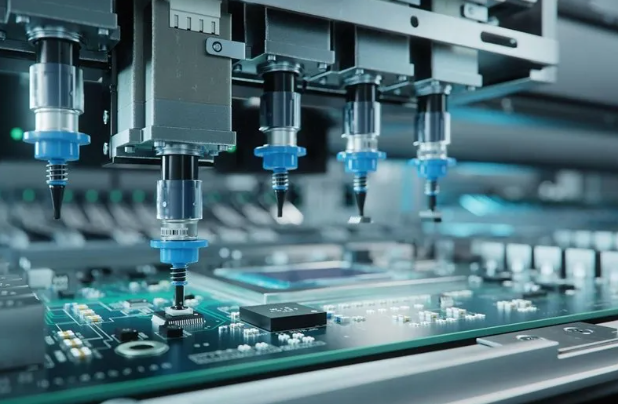
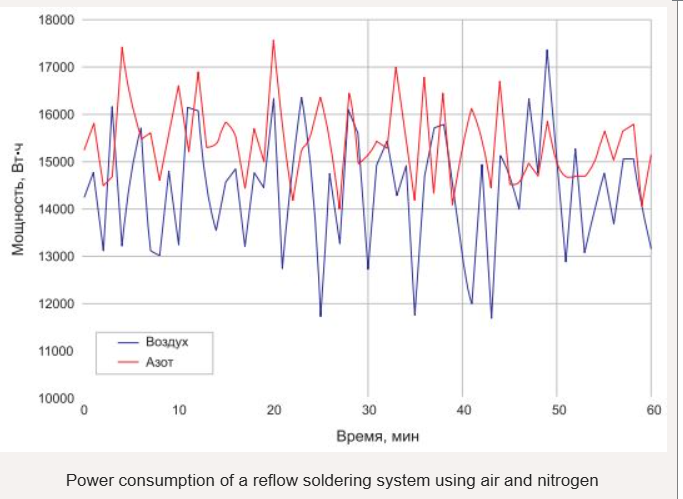
Convection soldering systems remain the primary surface-mount method worldwide, primarily due to their versatility, high efficiency, and excellent heat transfer properties. These properties have become paramount today. The advancement of digitalization, growing production volumes, the diversity of electronic components, and, importantly, the production of printed circuit boards worldwide require efficient and easily configurable production equipment....
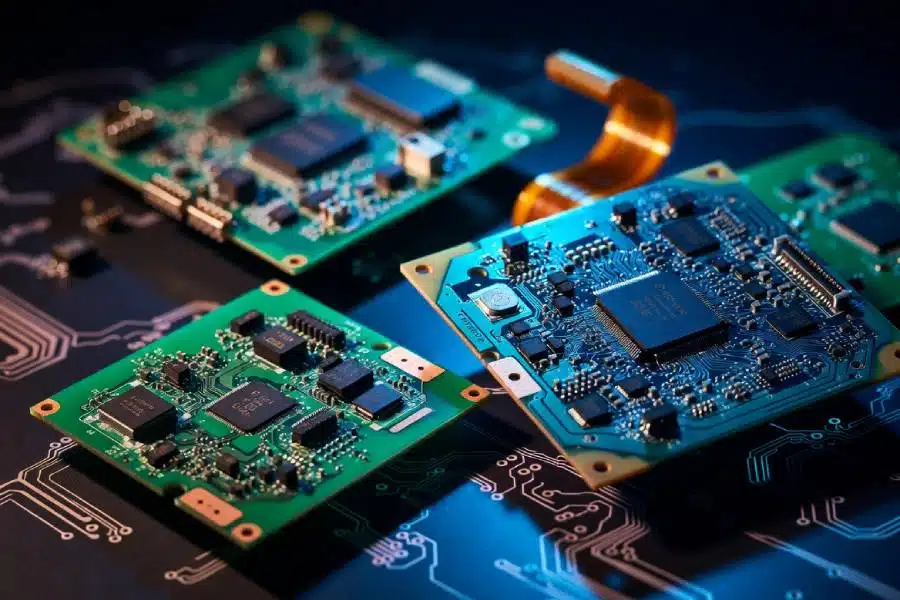
Medical-Grade PCB Technologies: Precision, Reliability, and Innovation by KKPCB

The Evolution of Medical PCBs Printed circuit boards (PCBs) have become the backbone of modern electro-medical technology. From pacemakers and defibrillators to MRI systems and wearable glucose monitors, the demand for compact, high-performance, and highly reliable electronic assemblies continues to rise. At KKPCB, we understand that medical electronics are not just products—they are lifelines. Every...

PCB Substrate and Core Materials: A Comprehensive Guide

The substrate and core materials are fundamental components of a printed circuit board (PCB), directly influencing its: Electrical performance Mechanical strength Thermal reliability Manufacturing capability Long-term stability As electronic products continue developing toward higher speed, higher power density, miniaturization, and increased reliability, PCB material selection has become increasingly important. Different applications require different substrate characteristics,...

Relationship Between Current and Line Width in PCB Design

In PCB design, trace width is one of the fundamental parameters that directly affects the electrical performance, thermal reliability, and manufacturing quality of a circuit board. When current flows through a PCB trace, the conductor generates heat due to electrical resistance. If the trace width is insufficient, excessive temperature rise may cause: Copper trace overheating...

Multilayer PCB Manufacturing Process: A Complete Step-by-Step Guide

With the increasing demand for higher circuit density, faster signal transmission, and more complex electronic functions, multilayer printed circuit boards (PCBs) have become a fundamental technology in modern electronic products. Unlike single-layer or double-sided PCBs, multilayer PCBs integrate multiple copper layers and insulating dielectric materials into one compact structure, allowing engineers to achieve complex routing,...

PCB for SMT (Surface Mount Technology): Choosing the Right PCB for SMD Components

With the rapid development of electronic products toward miniaturization, higher integration, and automated manufacturing, Surface Mount Technology (SMT) has become one of the most widely used PCB assembly methods in modern electronics. Unlike traditional through-hole components, Surface Mount Devices (SMD components) are mounted directly onto the surface of a PCB, allowing manufacturers to achieve: Higher...

Overview of PCB high-frequency board material selection and production and processing methods

With the rapid development of wireless communication, automotive radar, satellite communication, high-speed data transmission, and microwave electronic systems, PCB technology is facing increasingly demanding requirements for signal transmission performance. Traditional FR-4 materials, while widely used in general electronic products, may not provide sufficient performance for high-frequency applications due to limitations in: Dielectric loss Signal attenuation...

What does circuit board impedance mean? What are the requirements for impedance control during PCB manufacturing?

With the continuous development of electronic products toward high-speed transmission, high-frequency operation, and increased integration, PCB electrical performance has become a critical factor affecting system reliability. In traditional low-speed circuits, PCB traces were mainly considered simple electrical connections. However, when signal frequencies increase, PCB traces behave like transmission lines, and their electrical characteristics directly influence...

High-frequency PCB design rules to know

With the rapid development of technologies such as 5G communication, radar systems, satellite communication, automotive electronics, and high-speed computing, electronic systems are operating at increasingly higher frequencies. Traditional PCB design methods are often insufficient for high-frequency applications because even small variations in: Trace geometry Material properties Layer structure Grounding design Manufacturing tolerance can significantly affect...

What is the concept of PCB high frequency board?

With the rapid development of modern electronic systems toward higher communication speeds, higher operating frequencies, and more compact designs, conventional PCB materials such as standard FR-4 are increasingly challenged in high-frequency applications. A PCB high-frequency board is a specialized printed circuit board designed to transmit signals at high frequencies while maintaining stable electrical performance, low...