kkpcba-Cindy - KKPCB
 
HomeAuthor

kkpcba-Cindy - KKPCB

How to Find FaultyComponents on PCBs: AComprehensive Guide

Troubleshooting printed circuit boards (PCBs) can be a daunting task, but with a systematic approach, it becomes manageable and efficient. This guide provides a step-by-step process to identify faulty components on PCBs, along with methods tailored to specific component types and advanced techniques for batch inspection. Step-by-Step Guide to Finding Faulty Components on PCBs Step 1: Power...

Dielectric Stability and Phase Consistency Validation of RO3003 PCBs in 5G Communication Router and Baseband Systems

Engineering Context / Abstract   The rapid deployment of 5G communication infrastructure has driven router and baseband system designs toward higher channel bandwidth, tighter phase tolerance, and increased RF integration density. In sub-6 GHz and emerging mmWave backhaul links, phase consistency across parallel RF paths directly impacts beamforming accuracy, MIMO synchronization, and overall system throughput....

Building Multilayer Metal Core PCBs Design, Structure, Materials, and Manufacturing Guide

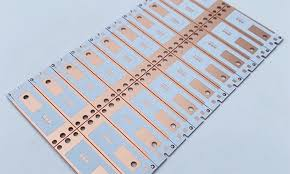
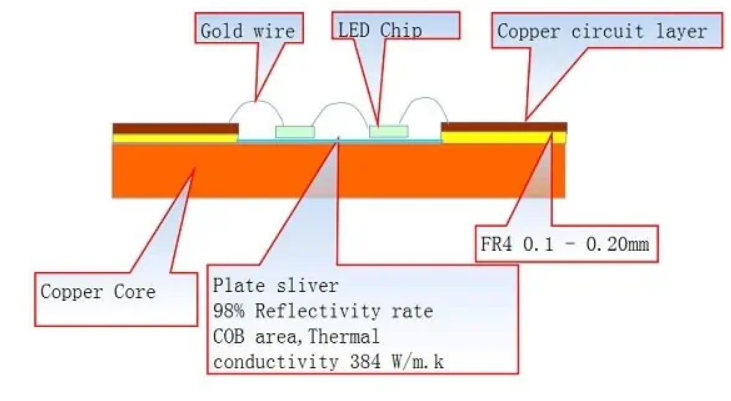
As electronic devices continue to demand higher power density, better thermal management, and increased reliability, multilayer metal core PCBs (MCPCBs) have become a critical solution in modern electronics. These advanced printed circuit boards combine the benefits of multilayer circuit design with the superior heat dissipation properties of metal substrates. This guide explores the design principles,...

Differences in Metal Core PCB Materials: Aluminum Core vs Copper Core vs Iron Alloy Core MCPCBs

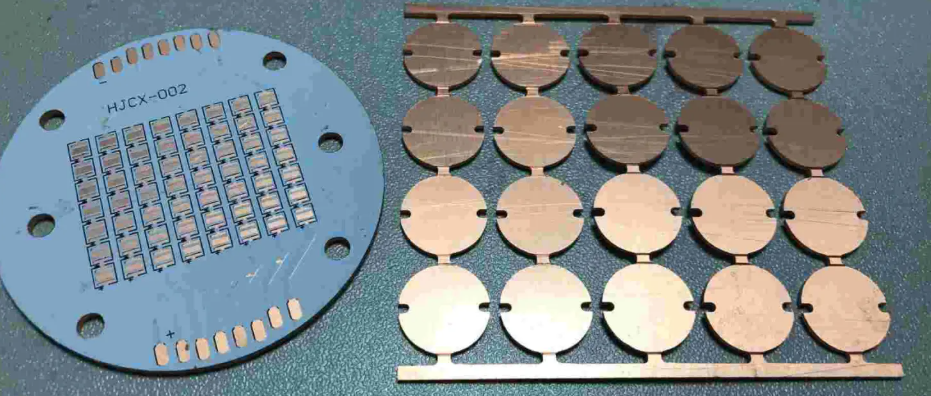
 What Is a Metal Core PCB (MCPCB)? A Metal Core Printed Circuit Board (MCPCB) uses a metal substrate—typically aluminum, copper, or iron alloy—as the core layer instead of standard FR4 dielectric material. Thanks to the high thermal conductivity of metal substrates, MCPCBs can efficiently dissipate heat generated by high-power electronic components, making them essential for:...

Thermal Conductivity of Metals in PCB Design: High vs Low Conductivity Materials Explained

1. Why Thermal Conductivity of Metals Matters in PCB Applications Metals are widely used in electronic devices and printed circuit boards (PCBs) due to their excellent electrical and thermal properties. However, not all metals conduct heat equally. High thermal conductivity metals rapidly transfer heat and are ideal for heat dissipation Low thermal conductivity metals restrict...

High Thermal Conductivity PCB Materials: The Effective Solution to Heat Dissipation Challenges

1. Why Heat Dissipation Has Become a Critical PCB Design Challenge With the rapid development of integrated circuits (ICs) and microelectronic packaging technologies, electronic systems are becoming: Smaller in physical size Higher in power density More integrated and compact As a result, heat flux density around electronic devices continues to rise sharply. Excessive heat accumulation...

PCB Thermal Conductivity Comparison: FR4 vs Ceramic vs Metal Core vs Rogers Materials

Why PCB Thermal Conductivity Matters As power density and operating frequencies continue to increase, thermal management has become a critical factor in PCB design. Excessive heat can lead to signal degradation, reduced component lifespan, and even system failure. This article from KKPCB provides a technical comparison of PCB thermal conductivity across four commonly used substrate...

Rogers CuClad 6700 Adhesive Film – Low-Loss Thermoplastic Bonding Film for Multilayer RF PCBs

Rogers CuClad 6700 is a CTFE thermoplastic adhesive film with a low melting point, low dielectric constant, and excellent CTE compatibility, specifically designed for bonding PTFE-based laminates and stripline structures in multilayer RF and microwave PCBs. At KKPCB, Rogers CuClad 6700 is widely used in high-frequency multilayer PCB stack-ups, especially where PTFE substrates require reliable,...

Rogers RT/duroid 5880 High-Frequency PCB Material

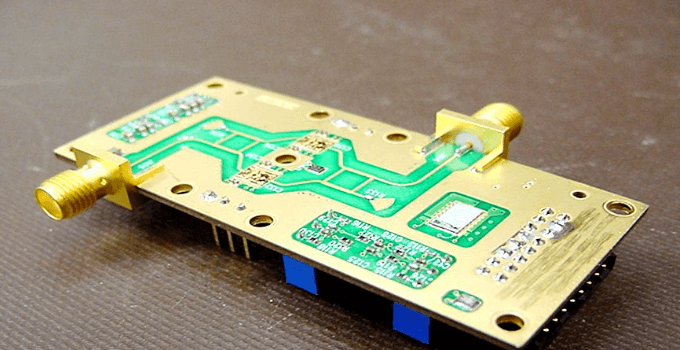
Rogers RT/duroid 5880 is one of the most widely used microwave and millimeter-wave PCB substrates, known for its ultra-low dielectric loss and stable electrical performance. It is extensively applied in radar systems, satellite communications, 5G infrastructure, automotive radar, aerospace, and high-speed digital circuits. In this article, KKPCB provides a comprehensive technical overview of RT/duroid 5880,...

A Technical Guide to Photoresist Selection for High-Frequency & Rogers PCBs

Why Photoresist Selection Matters in PCB Manufacturing Printed Circuit Boards (PCBs) are the foundation of all electronic products. Whether used in consumer electronics, automotive systems, or high-frequency RF applications, accurate circuit pattern transfer is critical to PCB performance and reliability. In PCB fabrication, photoresist films—commonly divided into dry film and wet film—play a key role...