HomeCategory

PCB Design Services | Professional PCB Layout & Design - KKPCB

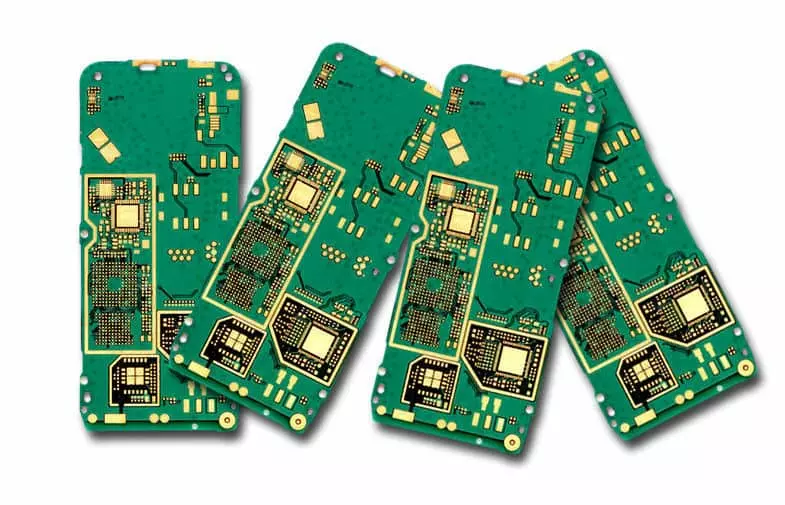
Rigid-Flex PCB Design: Revolutionizing Modern Electronics

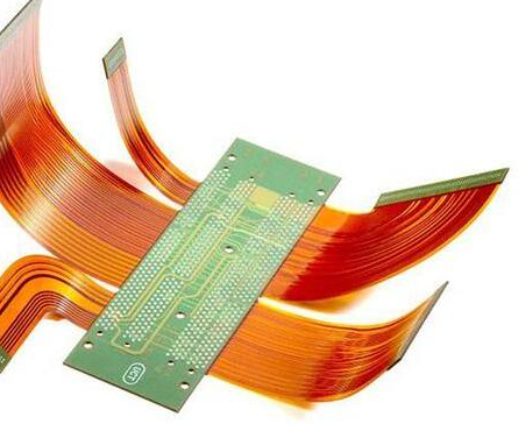
With electronic products becoming increasingly compact, lightweight, and functionally integrated, traditional rigid PCBs and flexible PCBs are facing new design limitations. Modern applications such as wearable devices, medical equipment, aerospace systems, automotive electronics, and industrial equipment require circuit solutions that can withstand mechanical movement while maintaining high electrical reliability. Rigid-flex PCB technology combines the advantages...
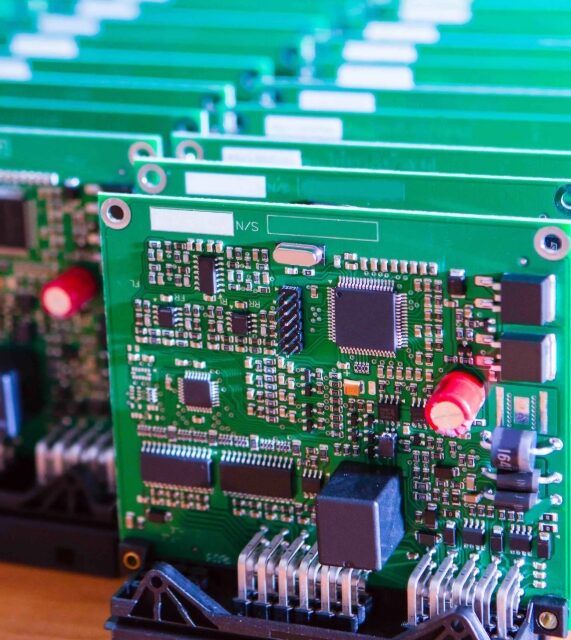
IC Continuity Test

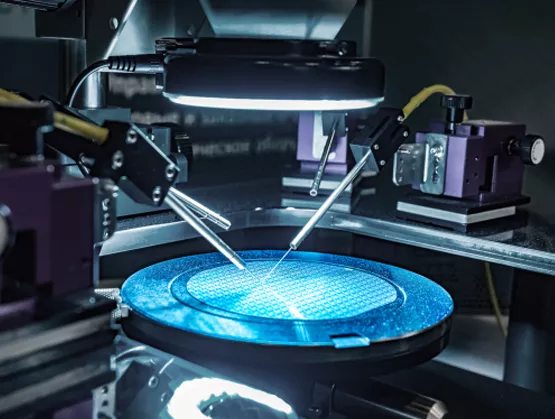
In PCB manufacturing and electronic assembly, ensuring the electrical connection reliability of integrated circuits (ICs) is essential for product performance and long-term stability. IC continuity testing is a key verification method used to confirm whether electrical connections between IC pins, PCB traces, vias, and surrounding components are correctly established. During PCB assembly, potential issues such...

Best Formats for 4-Layer PCB Stackups

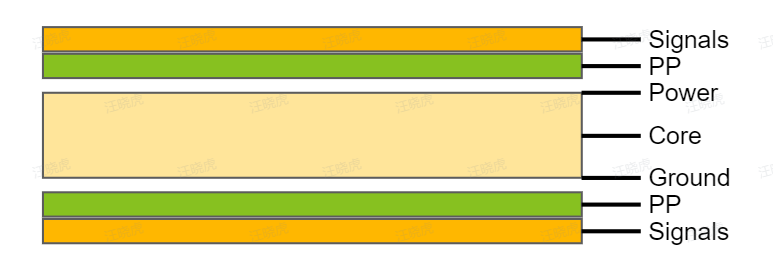
Best Formats for 4-Layer PCB Stackups A well-chosen 4-layer PCB stackup is essential for achieving excellent signal integrity, controlled impedance, effective power distribution, low EMI, and reliable manufacturing — especially in high-speed digital, mixed-signal, RF, automotive, and industrial designs. Compared to 2-layer boards, a properly configured 4-layer stackup provides dedicated reference planes, shorter return paths,...

Materials for High Temperature PCBs

High temperature PCB design is a critical aspect of modern electronics, especially in applications involving high power, harsh environments, or continuous operation. PCBs operating at high power often generate significant heat and may experience repeated thermal cycling, making material selection essential for long-term reliability and performance. While active cooling methods such as fans or heat...

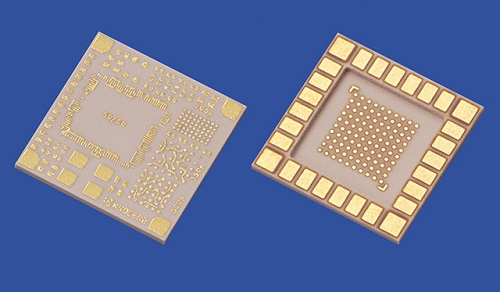
Ceramic Substrate

With the continuous development of power electronics, RF communication, semiconductor devices, and high-reliability electronic systems, traditional PCB materials are facing increasing challenges in applications requiring high thermal conductivity, electrical insulation, and extreme environmental stability. Ceramic substrates have become an important material solution for advanced electronic applications due to their excellent thermal performance, mechanical stability, and...

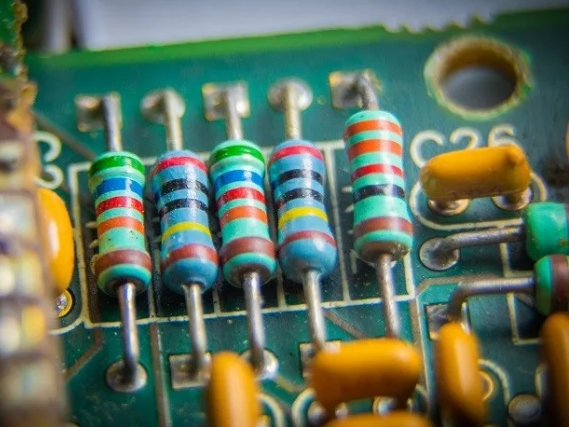
PCB Resistors and Board Design

In modern electronics, PCB resistors play a vital role in ensuring circuit stability, signal control, and power regulation. Whether in rigid circuit boards, multilayer PCBs, or advanced PCBA designs, proper resistor selection and placement are crucial for achieving optimal performance. Understanding how resistors in PCB design interact with layout and signal behavior is key to...

Should You Use Plated or Unplated PCB Mounting Holes?

Mounting holes are an essential but often overlooked part of PCB design. While most engineers focus on electrical performance, component placement, and signal integrity, the mechanical connection between a PCB and its enclosure, chassis, or other assemblies can significantly affect product reliability. One of the key decisions during PCB design is whether to use plated...

Improving Transportation and Industrial Design with Low-Power 77GHz Radar Sensors

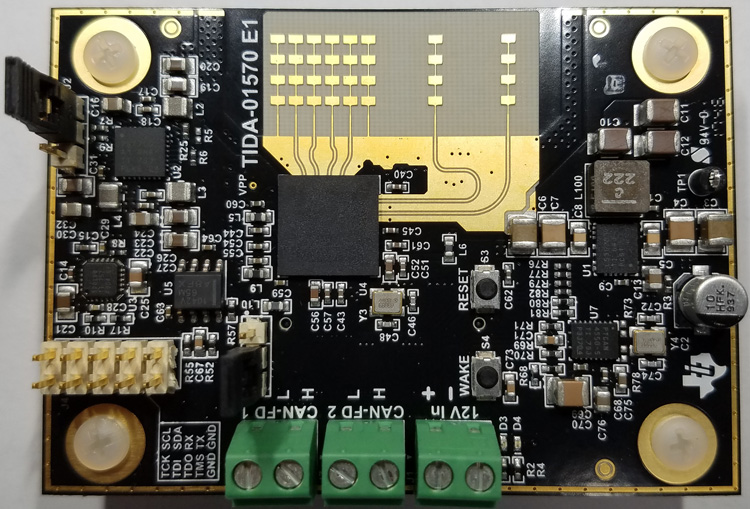
With the rapid development of intelligent transportation systems, industrial automation, and smart sensing technologies, radar-based sensing solutions are becoming increasingly important for accurate detection, measurement, and environmental perception. Among various radar technologies, 77GHz radar sensors have gained significant attention due to their high resolution, compact size, and ability to operate reliably under challenging environmental conditions....

PCB Design for the 6-Layer Board Stackup

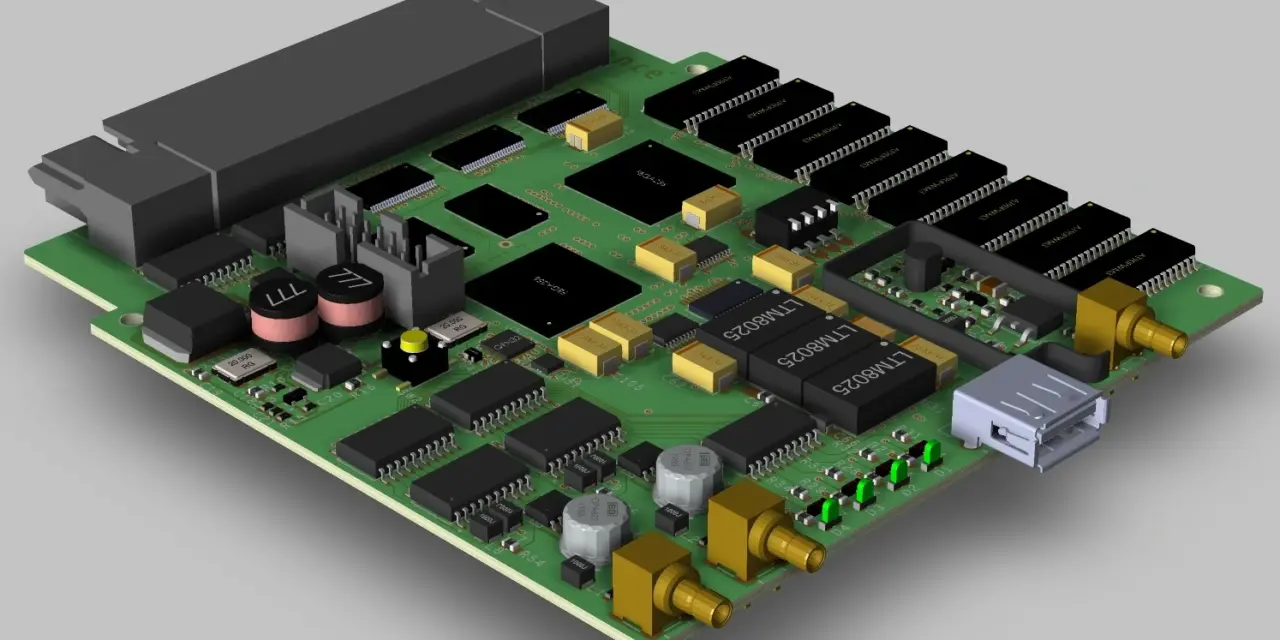
As electronic products continue to move toward higher integration, faster signal transmission, and smaller form factors, multilayer PCB technology has become essential for modern electronic design. Among various multilayer structures, the 6-layer PCB stackup is one of the most commonly used configurations because it provides a good balance between routing capability, signal integrity, power distribution,...

Copper Foils for High Frequency circuit board Materials

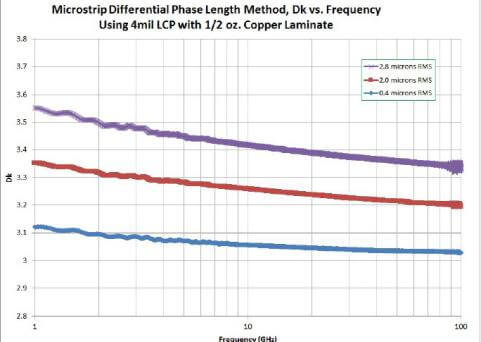
Introduction In high-frequency and microwave PCB manufacturing, every material choice can directly influence electrical performance. While laminate selection is often considered the primary factor affecting RF performance, copper foil characteristics also play a critical role in determining: signal loss impedance stability phase consistency insertion loss long-term reliability For applications such as: 5G communication equipment automotive...