
High temperature PCB design is a critical aspect of modern electronics, especially in applications involving high power, harsh environments, or continuous operation. PCBs operating at high power often generate significant heat and may experience repeated thermal cycling, making material selection essential for long-term reliability and performance.
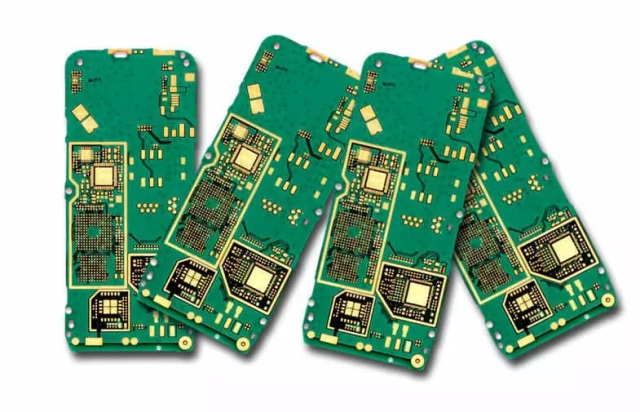
While active cooling methods such as fans or heat sinks can help manage heat, many designs must rely on passive thermal management. In these cases, selecting the right PCB materials becomes the key to ensuring efficient heat dissipation and structural stability.
Key Material Parameters for High Temperature PCBs
When selecting materials for high temperature PCB applications, three core parameters must be carefully evaluated:
1. Coefficient of Thermal Expansion (CTE)
CTE defines how much a material expands when exposed to temperature changes. A mismatch between the CTE of the substrate and copper can lead to mechanical stress, especially during thermal cycling, increasing the risk of cracks and via failure.
2. Thermal Conductivity
Thermal conductivity determines how efficiently heat is transferred through the PCB material. Higher thermal conductivity enables better heat spreading, reducing hotspots and improving overall system reliability.
3. Glass Transition Temperature (Tg)
Tg is the temperature at which the material transitions from a rigid to a softer state. For high temperature PCB design, selecting materials with a Tg higher than the operating temperature is essential to maintain mechanical integrity.
PCB Materials as Heat Sink Elements
In high temperature PCB designs, substrate materials do more than provide structural support—they act as heat spreaders. Properly selected laminate materials can effectively transfer heat away from critical components to prevent overheating.
Choosing the right PCB material allows the board itself to function as a passive cooling element, improving thermal performance without adding complexity to the system.
Common Materials for High Temperature PCB Design
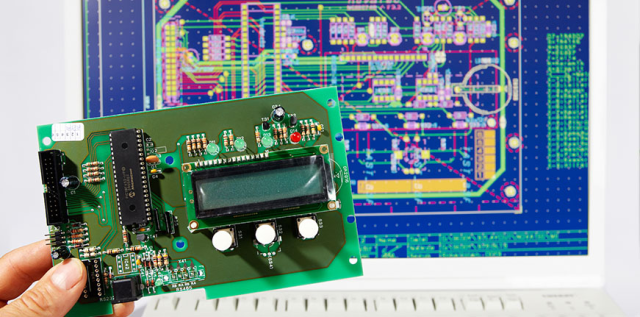
Below are widely used materials for high temperature PCB applications:
1. Metal-Core PCBs (MCPCB)
- Aluminum core
- Aluminum-backed laminates
Advantages:
- Excellent heat dissipation
- Cost-effective solution
- High reliability in thermal management
2. Ceramic Substrates
- Aluminum Oxide (Al₂O₃)
- Aluminum Nitride (AlN)
- Silicon Carbide (SiC)
- Beryllium Oxide (BeO)
- Boron Nitride (BN)
Advantages:
- Extremely high thermal conductivity (20x–100x higher than FR4)
- Ideal for high power and high frequency applications
- Superior thermal stability
3. Heavy Copper PCBs
- Thick copper layers (various weights)
- Direct plated copper
Advantages:
- Reduced electrical resistance
- Enhanced heat spreading through copper planes
- Suitable for high current applications
4. PTFE-Based Laminates
- Rogers
- Taconic / Nelco (AGC materials)
- Arlon
Advantages:
- Excellent CTE match with copper
- Higher Tg than standard FR4
- Ideal for RF and high-speed PCB designs
5. Polyimide Materials
- Various polyimide blends
Advantages:
- High thermal resistance
- Suitable for flexible PCBs
- Excellent performance in extreme environments
How to Choose the Right PCB Material
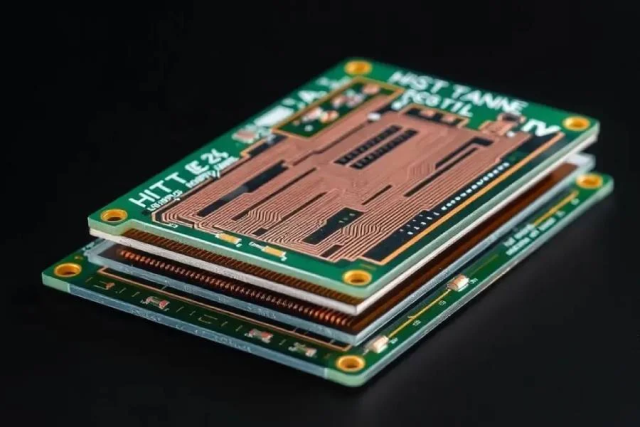
Material selection depends heavily on the operating conditions of the PCB. Below are three common scenarios:
1. High Power Without Temperature Cycling
In systems running continuously at high power without frequent thermal cycling:
- PCB materials should function as heat spreaders
- High thermal conductivity is critical
- Metal-core PCBs or ceramic substrates are preferred
Key Focus: Heat dissipation
2. High Temperature Cycling Environments
In applications with repeated heating and cooling cycles:
- CTE matching becomes more important than thermal conductivity
- Mismatched expansion can lead to fatigue failure, especially at vias
- Engineered PTFE or specialized FR4 materials are recommended
Key Focus: Mechanical reliability
3. High Ambient Temperature Conditions
When operating in high ambient temperatures:
- Heat may come from the environment rather than internal power
- Standard FR4 with heavy copper can be sufficient
- Targeted cooling may still be required for specific components
Key Focus: Balanced thermal performance
Critical Design Consideration: Tg Selection
Regardless of the application scenario, one rule always applies:
The Tg of the PCB material must exceed the maximum operating temperature.
Failure to meet this requirement can lead to:
- Material softening
- Delamination
- Reduced structural integrity
Conclusion
Selecting the right materials for high temperature PCBs is essential for ensuring thermal stability, electrical performance, and long-term reliability. By focusing on key parameters such as CTE, thermal conductivity, and Tg, engineers can design PCBs that effectively handle heat without relying heavily on active cooling.
From metal-core PCBs to advanced ceramic substrates and PTFE laminates, each material offers unique advantages depending on the application. Understanding these differences allows designers to make informed decisions and optimize performance in even the most demanding environments.
