
With the continuous development of power electronics, RF communication, semiconductor devices, and high-reliability electronic systems, traditional PCB materials are facing increasing challenges in applications requiring high thermal conductivity, electrical insulation, and extreme environmental stability.
Ceramic substrates have become an important material solution for advanced electronic applications due to their excellent thermal performance, mechanical stability, and electrical insulation properties.
Unlike conventional organic PCB materials, ceramic substrates use inorganic ceramic materials as the insulating layer, providing superior heat dissipation and reliability under demanding operating conditions.
Today, ceramic substrates are widely used in:
- Power semiconductor modules
- RF and microwave circuits
- LED lighting systems
- Automotive electronics
- Aerospace and defense electronics
- High-power electronic devices
Understanding ceramic substrate characteristics and design considerations helps engineers select suitable materials for high-performance electronic systems.
1. What Is a Ceramic Substrate?
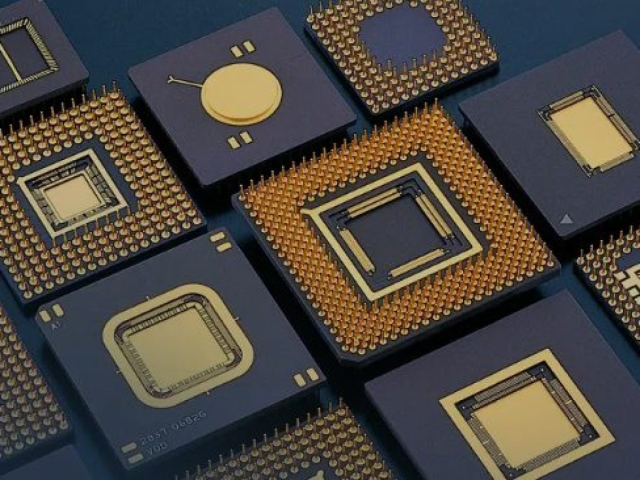
A ceramic substrate is an electronic substrate made by bonding conductive metal layers onto ceramic insulating materials.
The ceramic layer provides:
- Electrical insulation
- Thermal conduction
- Mechanical support
The conductive layer, usually copper, provides:
- Electrical connections
- Circuit patterns
- Power transmission paths
Compared with traditional FR-4 PCBs, ceramic substrates offer better thermal conductivity and higher temperature resistance, making them suitable for applications where heat dissipation and reliability are critical.
2. Common Types of Ceramic Substrate Materials
Different ceramic materials provide different electrical and thermal characteristics.
2.1 Alumina (Al₂O₃) Ceramic Substrate
Alumina is one of the most commonly used ceramic substrate materials.
Key advantages include:
- Good electrical insulation
- High mechanical strength
- Excellent chemical stability
- Cost-effectiveness
Applications include:
- Power circuits
- Industrial electronics
- LED modules
- General electronic packaging
2.2 Aluminum Nitride (AlN) Ceramic Substrate
Aluminum nitride provides significantly higher thermal conductivity compared with alumina.
Main characteristics:
- Excellent heat dissipation
- Low thermal expansion coefficient
- Good compatibility with semiconductor devices
Typical applications include:
- High-power semiconductor modules
- Electric vehicle power electronics
- Laser systems
- Advanced thermal management applications
2.3 Silicon Nitride (Si₃N₄) Ceramic Substrate
Silicon nitride combines high thermal performance with excellent mechanical strength.
Advantages include:
- High fracture toughness
- Good thermal shock resistance
- Long-term reliability
It is commonly used in demanding applications requiring mechanical durability and thermal cycling performance.
3. Key Advantages of Ceramic Substrates
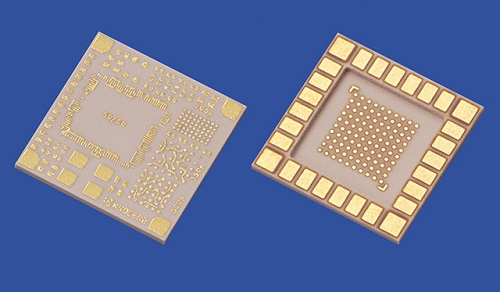
3.1 Excellent Thermal Conductivity
Thermal management is a major challenge in modern electronics.
High-power devices generate significant heat, which may affect:
- Component lifetime
- Electrical performance
- System reliability
Ceramic substrates provide efficient heat transfer paths, helping dissipate heat away from critical components.
3.2 High Temperature Resistance
Ceramic materials can withstand higher operating temperatures compared with many organic PCB materials.
Benefits include:
- Improved thermal stability
- Reduced material degradation
- Better reliability in harsh environments
3.3 Excellent Electrical Insulation
Ceramic substrates provide strong electrical insulation while maintaining good thermal conduction.
This combination is valuable for:
- High-voltage applications
- Power semiconductor systems
- High-frequency circuits
3.4 Low Thermal Expansion
The thermal expansion coefficient of ceramic materials is closer to that of semiconductor materials.
This helps reduce:
- Mechanical stress
- Solder joint fatigue
- Package reliability issues
4. Ceramic S ubstrate Manufacturing Technologies
Different manufacturing processes are used depending on application requirements.
4.1 Thick Film Ceramic Technology
Thick film technology involves printing conductive materials onto ceramic surfaces.
Features:
- Mature process
- Cost-effective
- Suitable for medium-density circuits
Applications include:
- Sensors
- Hybrid circuits
- Industrial electronics
4.2 Direct Bonded Copper (DBC)
DBC technology bonds copper directly onto ceramic substrates.
Advantages:
- High current capability
- Excellent thermal performance
- Strong bonding reliability
Common applications:
- Power modules
- IGBT systems
- EV power electronics
4.3 Active Metal Brazing (AMB)
AMB technology uses active metals to improve bonding between ceramic and copper.
Advantages include:
- Higher mechanical strength
- Improved thermal cycling reliability
It is widely used in advanced power semiconductor applications.
5. Applications of Ceramic Substrates
5.1 Power Electronics
Power electronic systems require efficient thermal management.
Ceramic substrates are used in:
- IGBT modules
- SiC power modules
- MOSFET applications
- Power converters
Their thermal conductivity and insulation performance improve system reliability.
5.2 RF and Microwave Applications
Ceramic materials provide stable electrical characteristics at high frequencies.
Applications include:
- RF modules
- Microwave circuits
- Antenna systems
- High-frequency communication equipment
Important advantages include:
- Stable dielectric properties
- Low signal loss
- High-frequency reliability
5.3 Automotive Electronics
Electric vehicles and advanced automotive systems require compact and reliable power solutions.
Ceramic substrates are used in:
- Motor control systems
- Battery management systems
- Power conversion modules
Their thermal performance helps support high-power operation.
5.4 LED Lighting Systems
High-power LEDs generate significant heat during operation.
Ceramic substrates improve:
- Heat dissipation
- Light efficiency stability
- Product lifetime
6. PCB Design Considerations for Ceramic Substrates
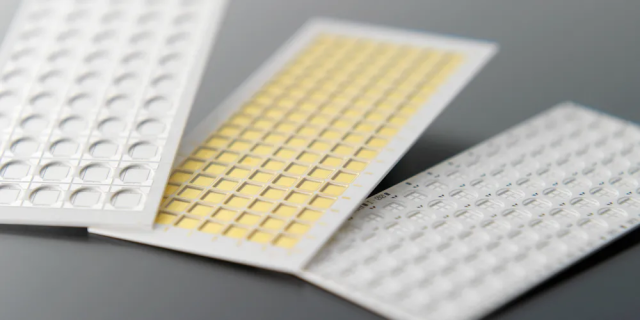
Although ceramic substrates offer excellent performance, their design requires special considerations.
6.1 Thermal Design
Engineers should evaluate:
- Heat generation
- Thermal paths
- Cooling structures
Proper thermal design prevents overheating and improves reliability.
6.2 Mechanical Stress Management
Ceramic materials are harder and more brittle than organic PCB materials.
Design considerations include:
- Avoiding excessive mechanical stress
- Optimizing mounting structures
- Considering thermal expansion differences
6.3 Circuit Pattern Design
Manufacturing capability should be considered during layout.
Important factors include:
- Trace width
- Spacing
- Copper thickness
- Pattern accuracy
6.4 Reliability Testing
Ceramic substrate applications often require strict reliability verification.
Common tests include:
- Thermal cycling
- Power cycling
- Dielectric strength testing
- Mechanical reliability testing
7. Ceramic Substrate vs Traditional PCB Materials
| Feature | Ceramic Substrate | Traditional FR-4 PCB |
|---|---|---|
| Thermal Conductivity | High | Moderate |
| Temperature Resistance | Excellent | Limited |
| Electrical Insulation | Excellent | Good |
| Mechanical Flexibility | Low | Higher |
| High-Power Capability | Excellent | Limited |
| Cost | Higher | Lower |
The choice depends on application requirements, performance expectations, and cost considerations.
Conclusion
Ceramic substrates provide an advanced material solution for electronic systems requiring high thermal performance, electrical insulation, and long-term reliability.
With the growth of electric vehicles, power electronics, RF communication, and high-performance semiconductor applications, ceramic substrate technology continues to play an important role in next-generation electronic design.
Successful ceramic substrate applications require not only suitable material selection but also careful consideration of thermal management, circuit design, manufacturing processes, and reliability testing.
By understanding ceramic substrate characteristics and design requirements, engineers can develop more reliable and efficient electronic solutions for demanding applications.
