PCB manufacturing - KKPCB
 
HomeTag

PCB manufacturing - KKPCB

RF Amplifiers Explained: Essential Knowledge for PCB Electronics Manufacturers

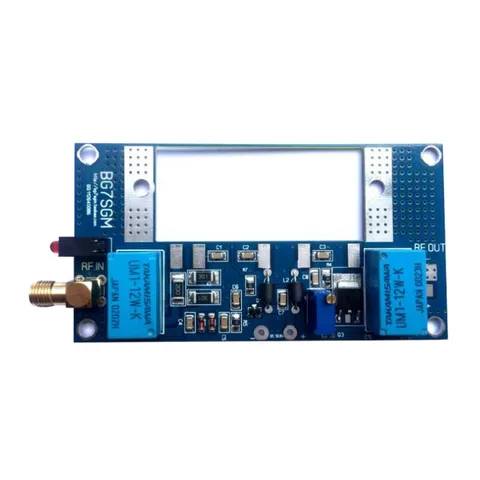
The Role of RF Amplifiers in Modern Electronics In modern RF and microwave systems, RF amplifiers are essential components that boost signal strength to ensure reliable transmission and reception. They are widely used in: 5G/6G communication systems Wireless modules and IoT devices Radar systems Satellite communication Broadcasting equipment For PCB electronics manufacturers, understanding RF amplifiers...

Megtron 6 PCB Material: A Complete Technical Guide to Properties, Performance, and High-Speed Applications

Megtron 6 is a premium high-speed, low-loss PCB laminate developed by Panasonic, designed specifically for next-generation high-frequency and high-data-rate systems. Positioned between standard FR-4 and PTFE-based microwave materials, Megtron 6 delivers exceptionally low transmission loss, stable dielectric performance, and robust thermal reliability—making it a preferred choice in telecom, networking, data-center, computing, and RF applications. By...

Single Layer PCBs: A Complete Technical Guide to Structure, Design Rules, Manufacturing Processes, and Applications

Why Single Layer PCBs Still Matter Although modern electronics are increasingly dominated by multilayer PCBs, HDI structures, and high-frequency RF boards, single layer PCBs (Single-Sided PCBs) remain widely used due to their low cost, simple design, and high manufacturability. Single layer PCBs are still essential in: Cost-sensitive electronic products Simple analog circuits Power control modules...

ENIG PCB Surface Finish: Benefits, Process, and Applications Explained

What Is ENIG PCB Surface Finish? What Is ENIG in PCB Manufacturing? ENIG (Electroless Nickel Immersion Gold) is one of the most widely used and highly reliable PCB surface finishes in the electronics industry. As a chemical deposition process, ENIG forms a two-layer metallic coating—a nickel barrier layer followed by a thin immersion gold layer—without...

Factory Automation in PCB Manufacturing: Enhancing Precision, Speed, and Reliability

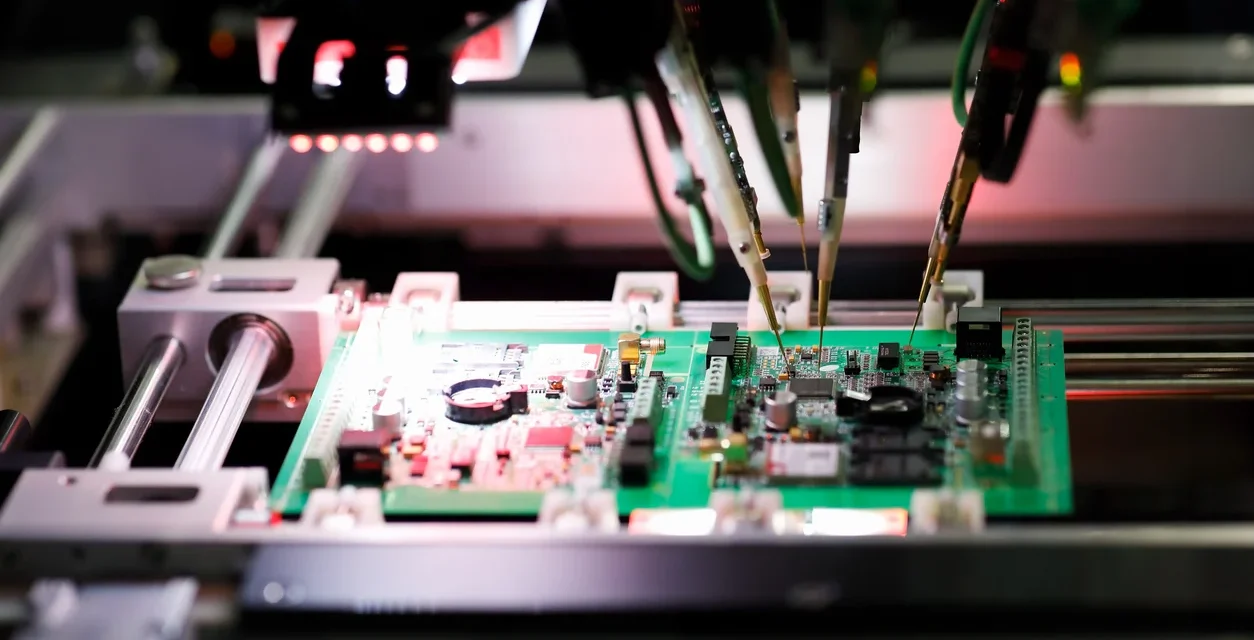
Applications of Factory Automation in PCB Manufacturing As electronic devices become more compact, powerful, and multifunctional, printed circuit boards (PCBs) must meet increasingly complex performance and reliability requirements. To support this evolution, factory automation has become a fundamental pillar of modern PCB manufacturing. Automated systems not only accelerate production but also improve precision, ensure repeatability,...

Flying Probe Testing in Small Batch PCB Manufacturing: Precision, Flexibility, and Cost Efficiency

The Need for Flexible PCB Testing In small batch PCB manufacturing and prototype PCB production, traditional testing methods such as ICT (In-Circuit Testing) can be expensive and time-consuming due to fixture requirements. Flying Probe Testing (FPT) provides a highly efficient alternative, offering precision testing, flexibility, and cost efficiency without the need for dedicated test fixtures....

Aluminum Oxide (Al₂O₃) Ceramic PCB: Properties, Types, Manufacturing Process, and Industry Applications

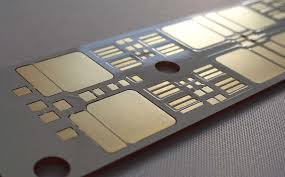
Introduction to Aluminum Oxide (Al₂O₃) Ceramic PCBs In the field of printed circuit board (PCB) manufacturing, the choice of substrate material plays an essential role in determining the product’s performance, reliability, and heat dissipation capability. Ceramic PCBs—particularly those using Aluminum Oxide (Al₂O₃)—have become increasingly popular due to their outstanding thermal and electrical properties. This article...

PCB Pad Soldering Processes Explained: Types, Features, and Selection Guide

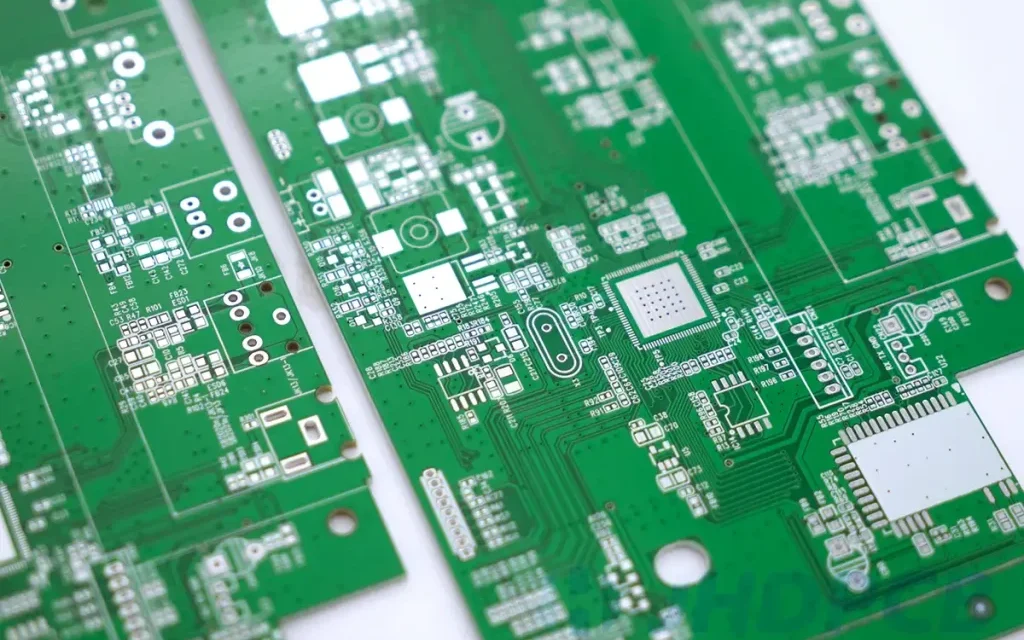
Why PCB Pad Soldering Process Matters In PCB manufacturing, the pad surface finish or soldering process directly affects component solderability, electrical performance, and long-term reliability.Different processes offer varying degrees of oxidation resistance, flatness, and cost efficiency, making proper selection essential for every PCB design project. This article categorizes and compares the most common PCB pad...

Exploring Teflon PCBs: The Ultimate Guide to High-Frequency and RF Applications

Introduction With the rapid advancement of modern technology, high-frequency electronic systems such as RF, microwave, and radar equipment are increasingly prevalent. At the core of these systems lies the Printed Circuit Board (PCB) — the foundation upon which signal integrity and overall device performance depend. Among the materials used for PCB fabrication, Teflon (PTFE) stands...

Mastering High-Speed PCB Test Point Design: Precision, Performance, and Signal Integrity

Mastering High-Speed PCB Test Point Design: Precision, Performance, and Signal Integrity In high-speed printed circuit board (PCB) design, test point placement is far more than a routine step—it’s a science of balance. The miniature metal pads scattered across a PCB may look simple, but their position, size, and electrical behavior can determine whether a product...