HomeCategory

Advanced Engineering Technologies for PCB & PCBA Solutions - KKPCB

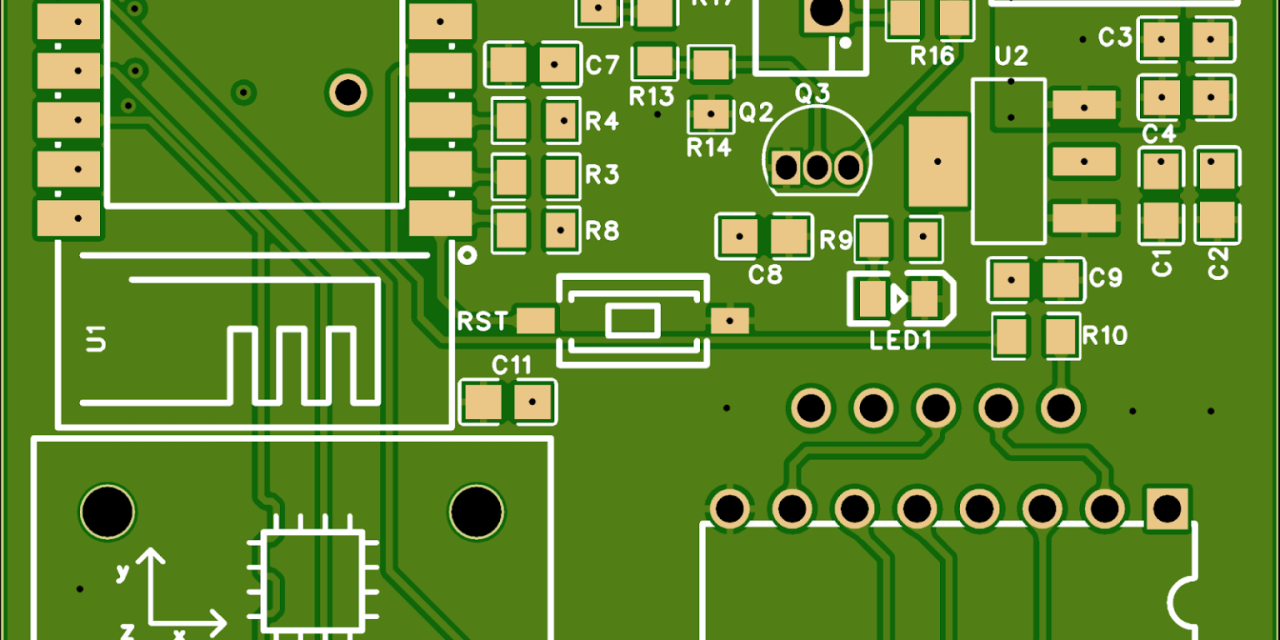
Annular Ring in PCB: Key Considerations for Design and Manufacturing

In PCB design and manufacturing, every detail of the circuit structure can influence the reliability and performance of the final product. Among these details, the annular ring is a critical but often overlooked factor that directly affects via reliability, electrical connectivity, and manufacturing yield. The annular ring refers to the copper area surrounding a drilled...
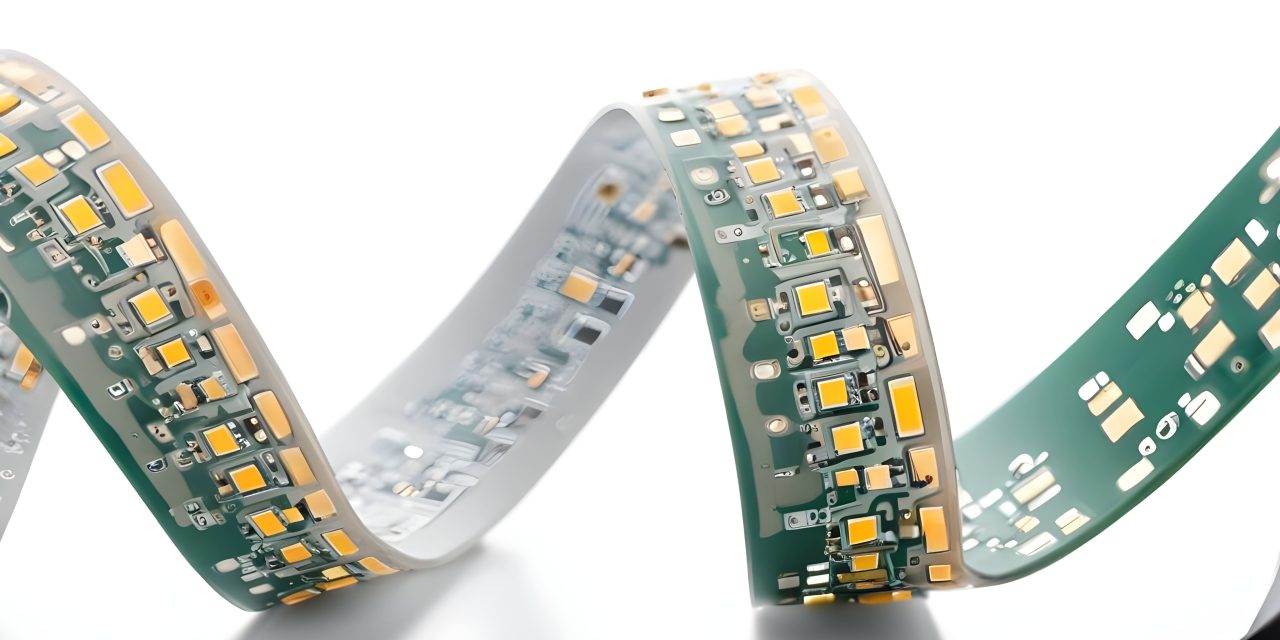
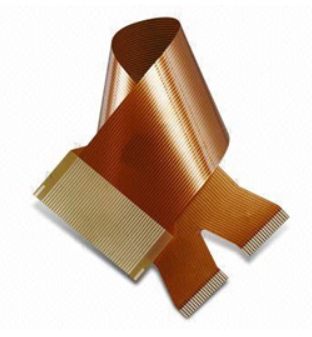
How to Choose the Right Material for Flexible LED PCB

Introduction: Why Material Selection Matters in Flexible LED PCB In modern LED lighting applications, selecting the right material for a flexible LED PCB is critical to achieving optimal thermal performance, flexibility, and long-term reliability. As LED products continue to evolve toward thin, lightweight, and bendable designs, the importance of choosing the correct flexible PCB material...

What to Look For When Choosing a Fast Flex PCB Manufacturer

As electronic products continue to evolve toward miniaturization, lightweight structures, and higher integration, flexible printed circuit boards (Flex PCBs) have become an essential technology for modern electronic systems. Compared with traditional rigid PCBs, Flex PCBs offer unique advantages: Three-dimensional assembly capability Reduced product thickness and weight Improved space utilization Fewer connectors and wiring components Better...

Copper Core PCB: A Revolution in the Electronics Industry

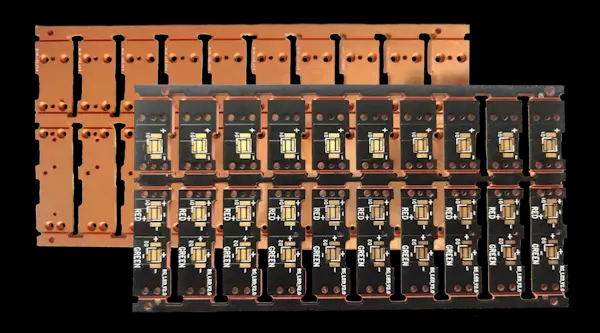
With the rapid development of high-power electronics, electric vehicles, LED lighting, renewable energy systems, and advanced industrial equipment, thermal management has become one of the most critical challenges in electronic product design. As electronic components become more compact while power density continues to increase, traditional FR-4 PCBs may face limitations in heat dissipation performance. Copper...

HDI PCB Design: Comprehensive Guidelines, Processes, and Considerations

With electronic products continuing to evolve toward smaller dimensions, higher functionality, and faster signal transmission, traditional PCB technologies are increasingly challenged by limitations in routing density and component integration. High Density Interconnect (HDI) PCB technology provides an effective solution by using advanced interconnection structures such as: Microvias Blind vias Buried vias Fine-line traces High-density layer...

Rigid-Flex PCBs: Features, Benefits and Challenges

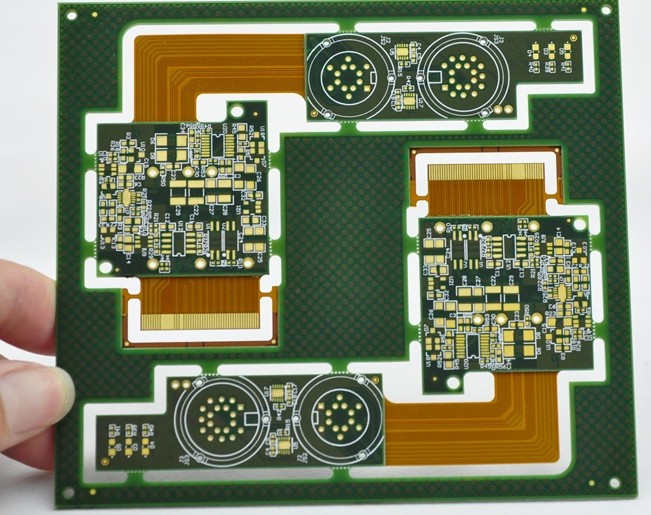
Introduction: The Rise of Rigid-Flex PCB Technology As modern electronics continue to evolve toward miniaturization, high reliability, and complex system integration, Rigid-Flex PCBs have become a key solution in advanced PCB design and manufacturing. By combining the strengths of rigid PCBs and flexible PCBs, Rigid-Flex PCB technology enables innovative product designs that are both compact...

Aluminum PCB vs. Standard PCB: A Complete Guide to Finding the Right One for You!

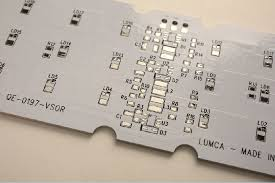
1. Introduction: Why PCB Material Selection Matters In modern PCB design and manufacturing, material selection plays a decisive role in product performance, especially in applications involving high power density, heat dissipation, and reliability requirements. Two of the most commonly compared options are: Aluminum PCB (Metal Core PCB, MCPCB) Standard FR4 PCB Each type has unique...

Optimizing Thermostat PCB Design: Ensuring Efficient and Reliable Temperature Control Performance

In modern HVAC systems, smart homes, industrial automation, and building management, thermostats play a critical role in precise temperature regulation, energy efficiency, and user comfort. At the heart of every advanced thermostat lies a well-optimized PCB (Printed Circuit Board) that integrates sensors, microcontrollers, power management, wireless connectivity, and user interface elements. Poor PCB design can...

PCB Assembly for Industrial Controls and How to Make Industrial PCBs?

Industrial PCB Assembly as the Backbone of Automation Systems In modern industrial control systems, PCB assembly (PCBA) is the core foundation that ensures reliable operation of automation equipment, PLC systems, motor drives, robotics controllers, and industrial IoT devices. Compared with consumer electronics, industrial PCBs must withstand harsh environments, including high temperature, electrical noise (EMI), vibration,...

Advantages and applications of single-sided PCB

The Single-Sided PCB (Single-Layer PCB) is the most fundamental and widely used type of circuit board in the electronics industry. Featuring a single layer of conductive copper laminated onto a rigid base material (typically FR-4 or CEM-1), these boards are the backbone of high-volume, cost-sensitive electronics. For PCB manufacturing partners like KKPCB, the single-sided board remains a staple for projects...