HomeTag

PCB - KKPCB

Advantages and Applications of Double-Sided PCB

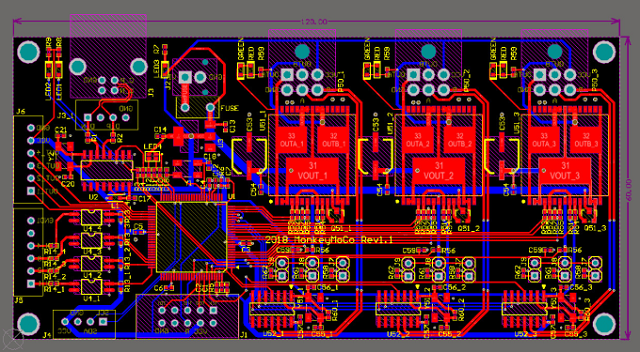
A double-sided PCB (Double-Sided Printed Circuit Board) is a type of circuit board with copper layers on both the top and bottom sides, allowing electrical connections and component placement on both surfaces. Compared with single-sided PCBs, double-sided PCBs provide significantly higher routing density and greater design flexibility. Compared with multilayer PCBs, they offer a more...
Ceramic Substrate

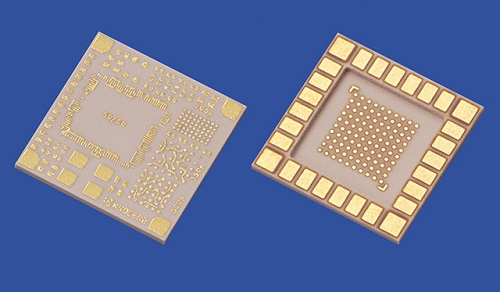
With the continuous development of power electronics, RF communication, semiconductor devices, and high-reliability electronic systems, traditional PCB materials are facing increasing challenges in applications requiring high thermal conductivity, electrical insulation, and extreme environmental stability. Ceramic substrates have become an important material solution for advanced electronic applications due to their excellent thermal performance, mechanical stability, and...

PCB Design for the 6-Layer Board Stackup

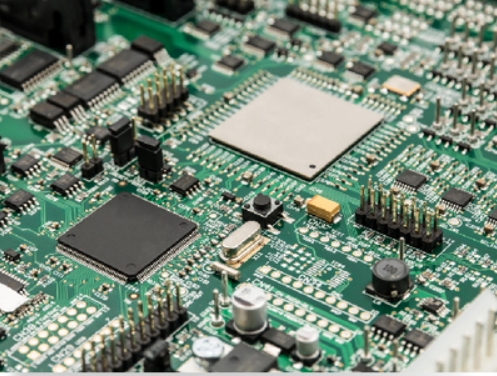
As electronic products continue to move toward higher integration, faster signal transmission, and smaller form factors, multilayer PCB technology has become essential for modern electronic design. Among various multilayer structures, the 6-layer PCB stackup is one of the most commonly used configurations because it provides a good balance between routing capability, signal integrity, power distribution,...

RO4003C/RO4350B/RO4835 Laminates Quick Reference Processing Guide

With the increasing demand for higher frequency communication, advanced radar systems, and high-speed electronic applications, PCB materials must provide stable electrical performance while maintaining reliable manufacturability. RO4003C™, RO4350B™, and RO4835™ laminates are high-frequency circuit materials developed for applications requiring low signal loss, stable dielectric properties, and improved thermal performance. These materials combine ceramic-filled hydrocarbon resin...

RO4835™ Laminate Data Sheet High Frequency PCB Materials

As electronic systems continue moving toward higher frequencies, faster signal transmission, and more demanding operating environments, PCB material selection has become a critical factor affecting product performance. For RF, microwave, automotive radar, and high-speed communication applications, conventional FR-4 materials may not always provide sufficient electrical stability due to higher dielectric loss and variations in dielectric...

Complete Guide to ESD Prevention in PCB Design

Electrostatic discharge (ESD) is one of the most common reliability challenges in modern electronic products. With increasing levels of integration, smaller component packages, and faster signal transmission speeds, electronic devices have become more sensitive to transient electrical disturbances. ESD events can occur during: Product assembly Transportation User operation Maintenance activities External cable connection A sudden...

Enhancing Anti-Static ESD Function in PCB Design

With the increasing integration and miniaturization of electronic products, PCB designs are becoming more sensitive to external electrical disturbances. Among various reliability challenges, Electrostatic Discharge (ESD) is one of the most common threats that can affect electronic system performance and product lifetime. Static electricity generated during human contact, manufacturing processes, transportation, or environmental changes can...

PCB Design Principles for Single-Chip Microcontroller Control Boards

Single-chip microcontroller (MCU) control boards are widely used in industrial automation, consumer electronics, automotive systems, medical devices, smart sensors, and embedded control applications. Although MCU-based systems are relatively compact compared with complex computing platforms, their PCB design still requires careful engineering consideration. Factors such as power stability, clock signal quality, reset reliability, electromagnetic compatibility (EMC),...

PCB Design Wiring Rules: Best Practices for Optimal Performance

PCB wiring is one of the most critical stages in printed circuit board design. A well-planned routing strategy directly affects signal quality, power stability, electromagnetic compatibility, and manufacturing reliability. As electronic products continue developing toward: Higher operating frequencies Smaller form factors Greater circuit density Increased functional integration traditional wiring methods are no longer sufficient for...

Precautions for PCB Design

PCB design is a critical stage that directly influences the electrical performance, manufacturability, reliability, and production efficiency of electronic products. As modern electronic systems continue developing toward higher speed, smaller size, and greater functional integration, PCB designers must consider more than just circuit connectivity. Factors such as signal integrity, power distribution, thermal management, component placement,...