HomeTag

PCB - KKPCB

Grounding Methods for Multi-Layer PCB Boards

With the increasing complexity of modern electronic systems, multi-layer PCB boards have become widely used in applications requiring high-density routing, high-speed signal transmission, and improved electrical performance. In multi-layer PCB design, grounding is not simply a connection between components and the power supply reference. A properly designed grounding structure directly affects signal integrity, electromagnetic compatibility...
Essentials of PCB Design: Grounding Considerations

In PCB design, grounding is one of the most fundamental yet critical factors affecting electronic system performance. A well-designed grounding structure provides stable current return paths, reduces electrical noise, improves signal integrity, and enhances overall system reliability. As electronic products continue moving toward higher speeds, greater integration, and smaller form factors, PCB grounding design has...

High-Speed PCB Design Guide 8: PCB Reliability Design

With the rapid development of electronic systems toward higher speed, higher integration, and greater functional complexity, PCB reliability has become a critical consideration in high-speed PCB design. In high-speed applications, PCB performance is influenced not only by signal integrity and impedance control but also by long-term reliability under different operating conditions. A high-speed PCB must...

High-Speed PCB Design Guide 5: Noise Reduction Technology for DSP Systems

Digital Signal Processors (DSPs) are widely used in applications that require high-speed data processing and real-time computation, including industrial automation, wireless communications, medical imaging, radar systems, machine vision, audio processing, and AI edge computing. As DSP clock frequencies and data rates continue to increase, maintaining signal integrity while minimizing system noise has become one of...

The Significance of Impedance in PCB Design and Manufacturing

With the continuous development of high-speed electronics, modern PCB designs are becoming increasingly complex. Higher data rates, faster signal transitions, and more compact product structures have made signal integrity a critical factor in electronic system performance. In traditional low-speed PCB applications, traces are mainly considered simple electrical connections. However, when signal frequencies increase, PCB traces...

Detailed Explanation of PCB Manufacturing Process and Precautions

Printed Circuit Board (PCB) manufacturing is a complex process that transforms a circuit design into a physical electronic platform capable of supporting components and enabling reliable electrical connections. As the foundation of almost all electronic products, PCB quality directly influences: Electrical performance Product reliability Assembly efficiency Long-term operating stability From consumer electronics and industrial control...

Optimizing PCB Trace Thickness vs. Current Capacity

In PCB design, trace thickness and current carrying capacity are closely related factors that directly affect the reliability and performance of electronic systems. As electronic products continue moving toward higher power density, smaller form factors, and increased functionality, PCB traces must handle higher currents while maintaining acceptable temperature rise and electrical stability. Insufficient copper thickness...

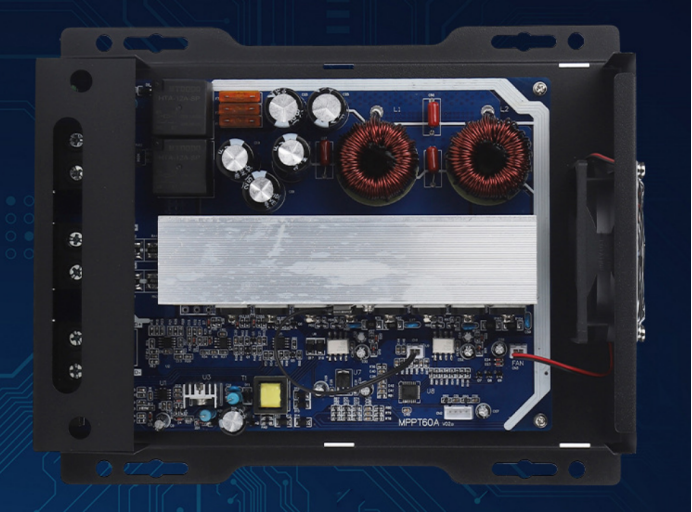
Optimizing Small Wind Turbine Inverters: Enhancing Stability & Reliability

With the increasing adoption of distributed renewable energy systems, microgrids, and decentralized power generation, small wind turbines have become an effective solution for providing clean energy in residential, agricultural, and industrial applications. The small wind turbine inverter is a critical power conversion unit that transforms variable-frequency AC power generated by the turbine into stable electrical...

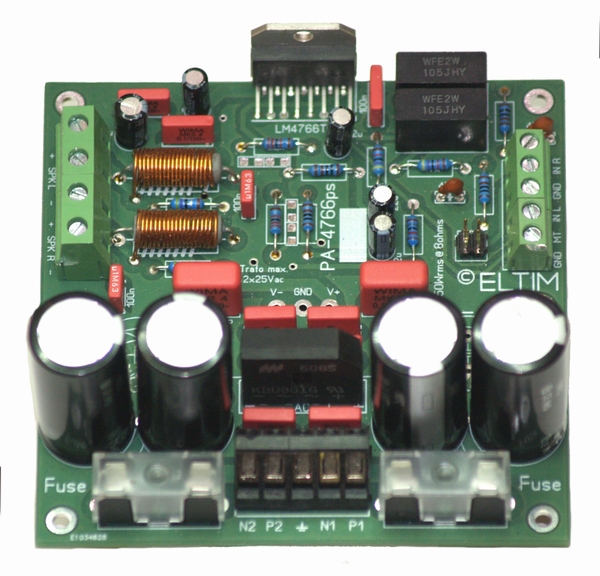
KKPCB Case Study: High-Fidelity Audio Amplifier PCB for Premium Audio Applications

In premium audio systems, the PCB is not simply a platform for connecting electronic components. It plays a critical role in maintaining signal purity, low noise performance, power stability, and long-term reliability. High-fidelity (Hi-Fi) audio amplifier designs require the PCB to handle both low-level analog audio signals and high-current power amplification circuits within the same...

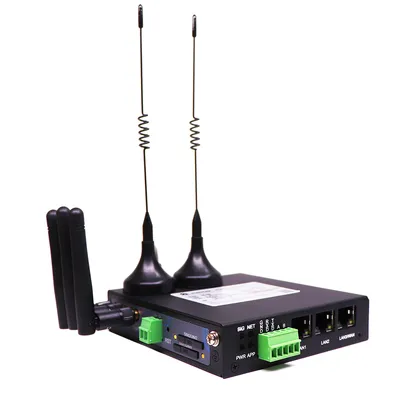
KKPCB Customer Case Study: Tunnel Wireless Relay PCB for Harsh Environments

With the increasing demand for intelligent infrastructure, underground monitoring systems, and industrial wireless communication, wireless relay modules have become essential for maintaining reliable signal transmission in challenging environments. Tunnel applications present unique challenges compared with normal industrial environments. Electronic equipment installed in tunnels may face: High humidity Dust and contamination Temperature fluctuations Electromagnetic interference Limited...