HomeTag

Heavy Copper PCB - KKPCB

SiC PCB Technology: High-Thermal, High-Voltage, and High-Frequency Engineering for Wide-Bandgap Power Systems

Silicon Carbide (SiC) PCB technology is transforming the landscape of high-power, high-frequency, and high-temperature electronics. As electric vehicles, renewable energy converters, aerospace systems, and industrial automation demand greater efficiency and reliability, SiC PCBs provide the thermal conductivity, voltage endurance, and switching performance required for next-generation power platforms. Unlike traditional FR-4 or low-temperature laminates, SiC PCB...
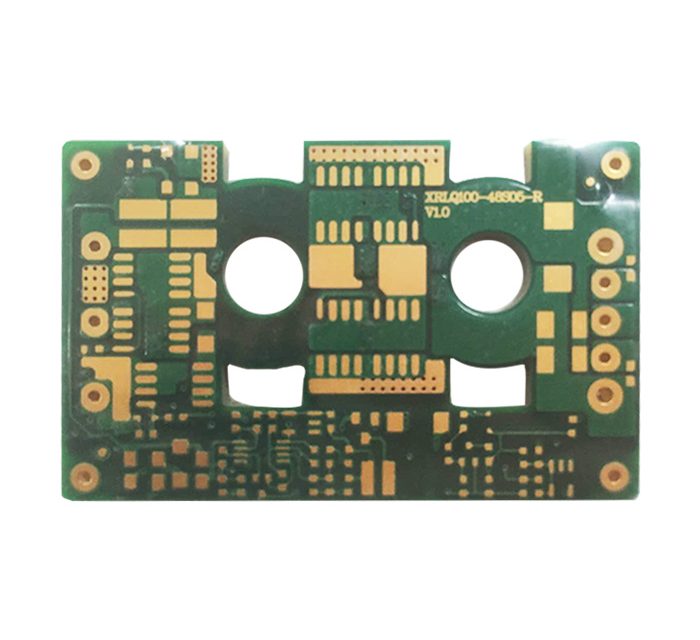
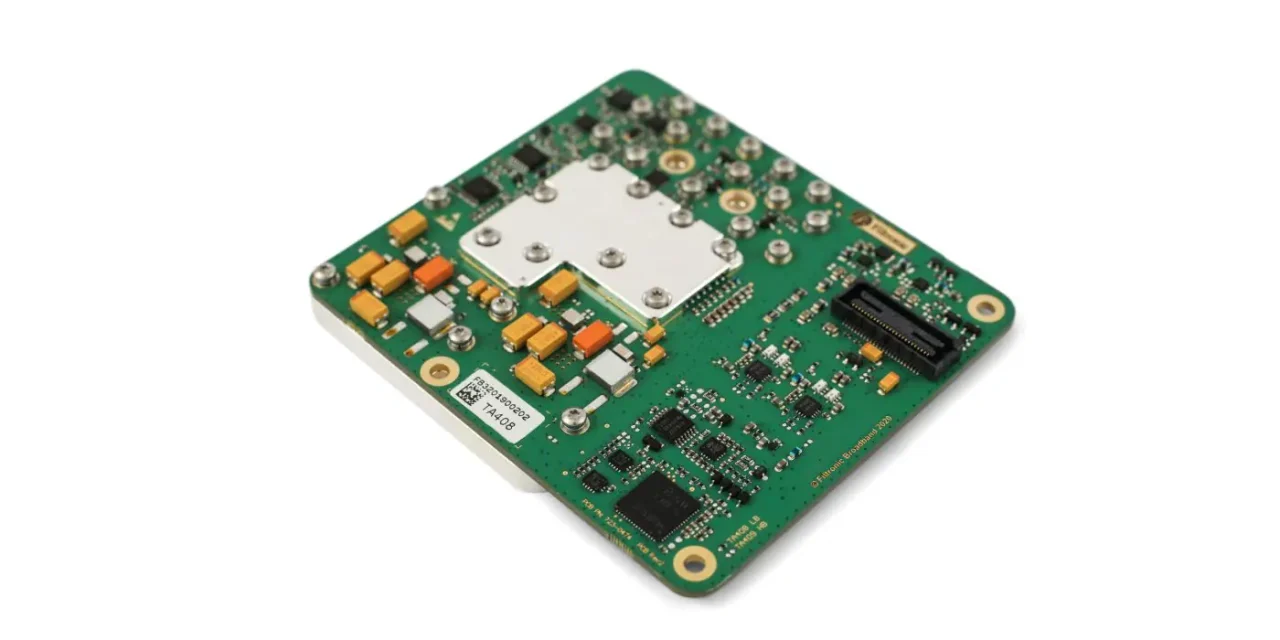
Heavy Copper PCB: Enabling High-Current Reliability and Thermal Stability for Modern Power Electronics

Power electronics continue to advance toward higher efficiency, greater power density, and more compact architectures. From industrial motor drives to renewable energy inverters and high-current battery systems, modern equipment demands circuit boards that can withstand extreme electrical and thermal stress. At the core of these high-power platforms is the Heavy Copper PCB, a specialized board...

Achieve Long-Term Mechanical Integrity and Superior Heat Dissipation with Heavy Copper PCB Architectures for Energy Storage Systems

Energy Storage Systems (ESS)—from large-scale Battery Energy Storage Systems (BESS) to EV battery packs, industrial UPS units, and hybrid inverters—operate under sustained electrical and thermal stress. High charging currents, repeated load cycles, and fast switching from power semiconductors all demand a PCB platform that can withstand extreme conditions without degradation. This is exactly where Heavy...

Enhance High-Current Capacity and Thermal Management Using Heavy Copper PCB Stackups for Industrial Power Electronics

Industrial power electronics, including motor drives, UPS systems, and high-power converters, demand PCBs capable of handling high current densities while maintaining thermal stability and signal integrity. Heavy copper PCBs, typically ranging from 2 oz to 12 oz copper weight, enable efficient current flow and significantly improve heat dissipation across multilayer stackups. KKPCB specializes in multilayer...

Boost RF Power Handling and Minimize Joule Heating Using Heavy Copper PCB Laminates in High-Power Telecom Amplifiers

High-power telecom amplifiers in 4G/5G base stations, satellite uplinks, and RF power transmitters operate under extreme currents and elevated temperatures. Maintaining low insertion loss, minimized Joule heating, and stable impedance is critical to achieve high RF efficiency, thermal reliability, and signal integrity. Heavy copper PCB laminates (copper thickness 3–6 oz, Dk ~4.0, low Df @10...

Heavy Copper PCBs: High-Current Performance for Modern Power Electronics

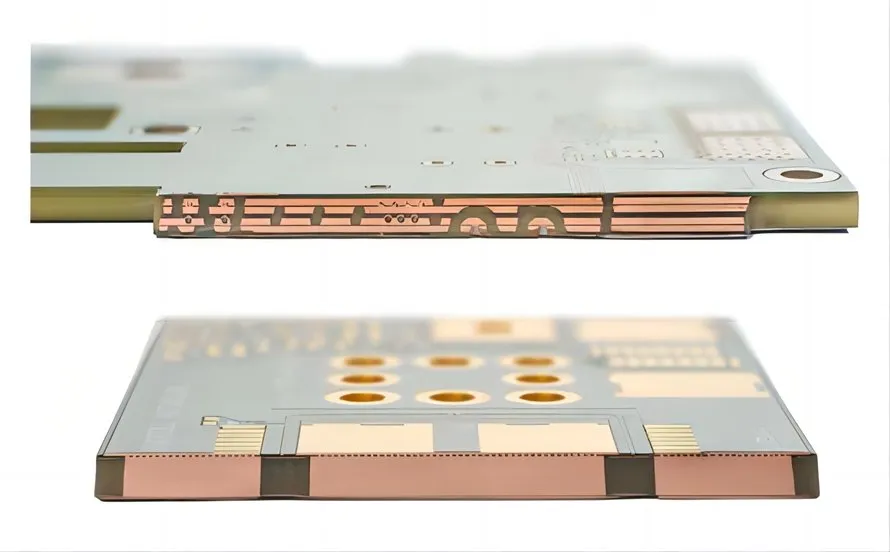
Heavy Copper PCBs: High-Current Solutions for Power Electronics As electronic systems evolve toward higher power density, stronger reliability requirements, and increasingly harsh operating environments, Heavy Copper PCBs have become indispensable across power electronics, automotive systems, industrial control, and energy infrastructure. Unlike standard PCBs—typically manufactured with 1oz–3oz copper—a Heavy Copper PCB is defined as any PCB...

Advanced PCBs – Design, Manufacturing, and Assembly

Advanced PCBs represent the cutting edge of printed circuit board technology, enabling compact, high-performance, and highly reliable electronic systems for demanding applications such as 5G/6G infrastructure, ADAS automotive radar, AI computing, aerospace electronics, Industrial IoT, and medical devices. These boards go far beyond standard FR-4 designs, incorporating HDI (High-Density Interconnect), rigid-flex, high-frequency low-loss materials, heavy...

Relationship Between Current and Line Width in PCB Design

In PCB design, trace width is one of the fundamental parameters that directly affects the electrical performance, thermal reliability, and manufacturing quality of a circuit board. When current flows through a PCB trace, the conductor generates heat due to electrical resistance. If the trace width is insufficient, excessive temperature rise may cause: Copper trace overheating...

PCB printed circuit board special processing technology

With the continuous development of electronic products toward higher performance, smaller size, higher integration, and improved reliability, traditional PCB manufacturing processes are increasingly unable to meet the requirements of advanced applications. To achieve specific electrical, mechanical, thermal, and reliability performance, PCB manufacturers have developed various special processing technologies beyond standard fabrication processes. PCB special processing...

Materials for High Temperature PCBs

High temperature PCB design is a critical aspect of modern electronics, especially in applications involving high power, harsh environments, or continuous operation. PCBs operating at high power often generate significant heat and may experience repeated thermal cycling, making material selection essential for long-term reliability and performance. While active cooling methods such as fans or heat...