HomeCategory

PCB Materials | FR-4, High-Frequency, Low-Loss & Heavy Copper - KKPCB

Optimized Guide: What is SMT Assembly?

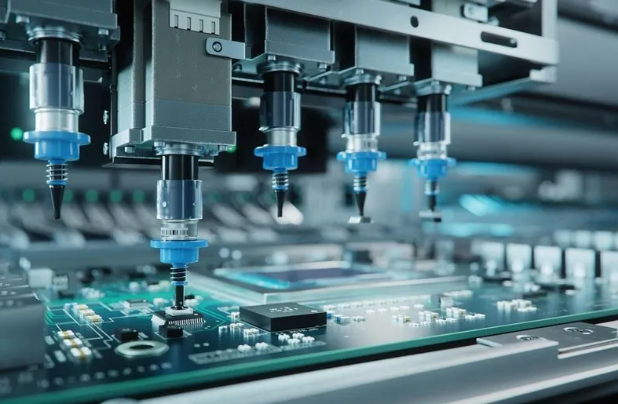
With the continuous development of electronic products toward miniaturization, higher performance, and increased production efficiency, traditional through-hole assembly methods are gradually being complemented by more advanced manufacturing technologies. SMT (Surface Mount Technology) assembly is one of the most widely used electronic manufacturing processes today. It enables electronic components to be mounted directly onto the surface...
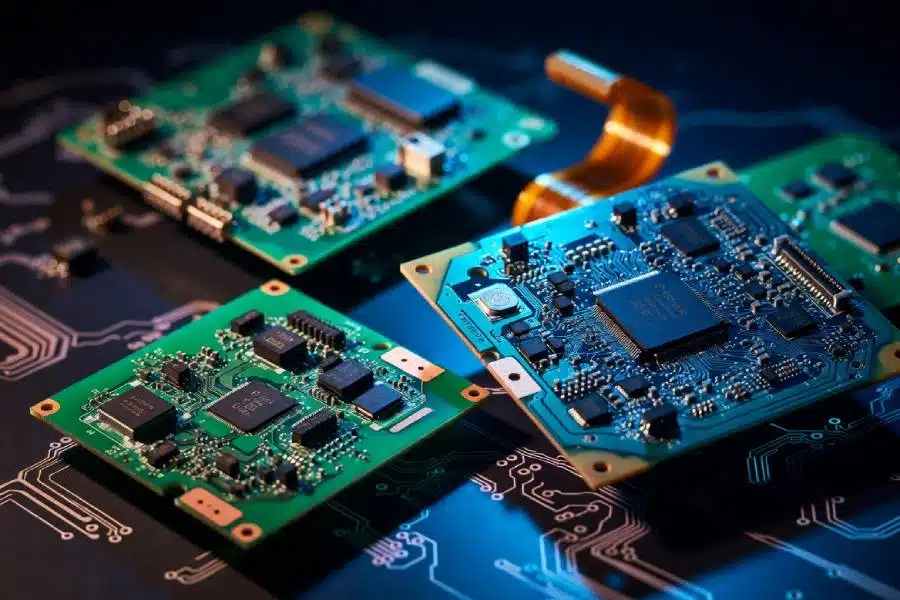
Overview of SMD Components and Their Characteristics

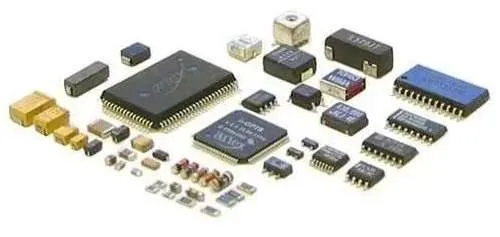
Introduction: The Importance of SMD Components in Modern Electronics In today’s electronics manufacturing industry, SMD components (Surface Mount Device components) are the foundation of modern SMT PCB assembly. As electronic products move toward miniaturization, high performance, and high-density integration, SMD components have become essential in nearly all PCB assembly processes. Understanding the characteristics of SMD...

PCB Substrate and Core Materials: A Comprehensive Guide

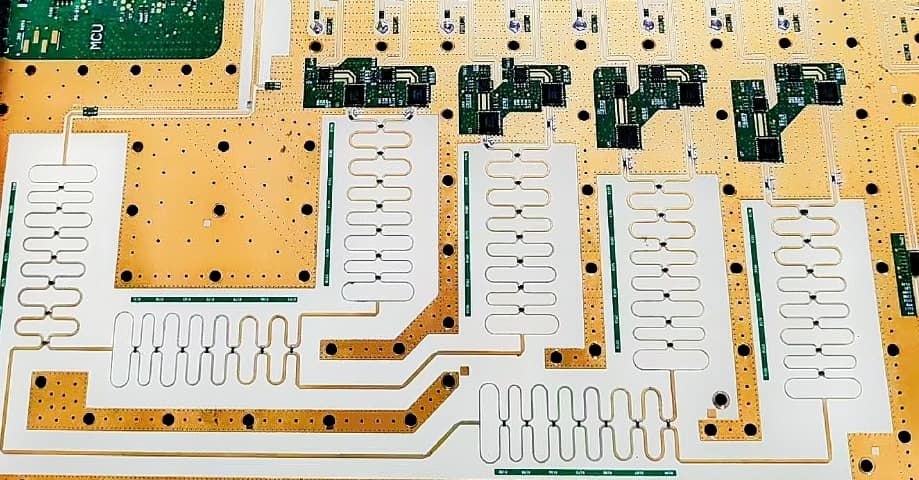
The substrate and core materials are fundamental components of a printed circuit board (PCB), directly influencing its: Electrical performance Mechanical strength Thermal reliability Manufacturing capability Long-term stability As electronic products continue developing toward higher speed, higher power density, miniaturization, and increased reliability, PCB material selection has become increasingly important. Different applications require different substrate characteristics,...

Printed Circuit Board Basics: From Design to Final Artwork

Understanding the Foundation of PCB Technology   A Printed Circuit Board (PCB) is the foundation of nearly every modern electronic product. From: consumer electronics industrial automation systems automotive electronics medical devices aerospace communication equipment high-speed networking hardware PCBs provide the essential platform for: electrical connectivity signal transmission component mounting power distribution As electronic products continue...

Rigid Flex PCB Cost Optimization

Master Your Budget: Proven Strategies for Rigid Flex PCB Cost Optimization In modern electronics, Rigid-Flex PCB technology is the gold standard for compact, high-reliability designs. However, the complexity of Rigid-Flex manufacturing often leads to higher production expenses. Achieving effective Rigid Flex PCB cost optimization requires a strategic balance between sophisticated engineering and smart logistical choices. At KKPCB, we help engineers navigate these...

Electromagnetic Compatibility Design of Mobile Phone PCB

With the continuous development of smartphones toward higher performance, smaller size, and increased functionality, mobile phone PCB design has become more complex than ever. Modern smartphones integrate high-speed processors, RF communication modules, cameras, sensors, power management circuits, and high-density interconnect structures within extremely limited space. However, increasing circuit density and operating frequencies also introduce greater...

Relationship Between Current and Line Width in PCB Design

In PCB design, trace width is one of the fundamental parameters that directly affects the electrical performance, thermal reliability, and manufacturing quality of a circuit board. When current flows through a PCB trace, the conductor generates heat due to electrical resistance. If the trace width is insufficient, excessive temperature rise may cause: Copper trace overheating...

Multilayer PCB Manufacturing Process: A Complete Step-by-Step Guide

With the increasing demand for higher circuit density, faster signal transmission, and more complex electronic functions, multilayer printed circuit boards (PCBs) have become a fundamental technology in modern electronic products. Unlike single-layer or double-sided PCBs, multilayer PCBs integrate multiple copper layers and insulating dielectric materials into one compact structure, allowing engineers to achieve complex routing,...

PCB for SMT (Surface Mount Technology): Choosing the Right PCB for SMD Components

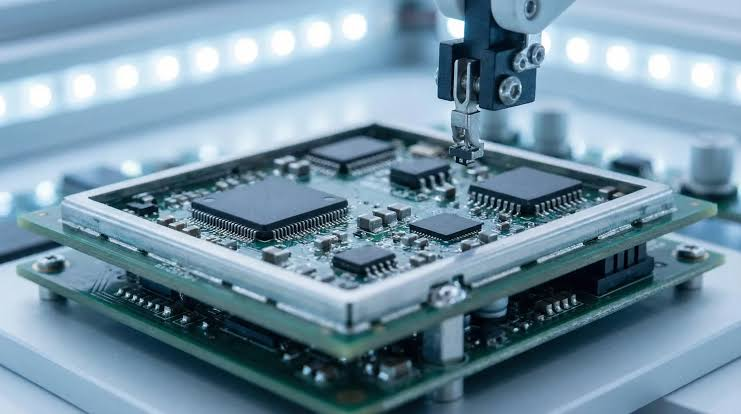
With the rapid development of electronic products toward miniaturization, higher integration, and automated manufacturing, Surface Mount Technology (SMT) has become one of the most widely used PCB assembly methods in modern electronics. Unlike traditional through-hole components, Surface Mount Devices (SMD components) are mounted directly onto the surface of a PCB, allowing manufacturers to achieve: Higher...

Long-Term Reliability of High-Frequency Circuit Materials and Printed Circuit Boards

Why Material Stability Matters in High-Frequency PCB Design As RF, microwave, and millimeter-wave electronic systems continue to advance, PCB materials face increasingly demanding performance requirements. In high-frequency applications, PCB performance is not determined only by initial electrical properties. Over time, environmental factors such as: Elevated operating temperatures Thermal cycling Material oxidation Moisture exposure Long-term aging...