HomeCategory

Advanced Engineering Technologies for PCB & PCBA Solutions - KKPCB

Detailed Explanation of PCB Manufacturing Process and Precautions

Printed Circuit Board (PCB) manufacturing is a complex process that transforms a circuit design into a physical electronic platform capable of supporting components and enabling reliable electrical connections. As the foundation of almost all electronic products, PCB quality directly influences: Electrical performance Product reliability Assembly efficiency Long-term operating stability From consumer electronics and industrial control...
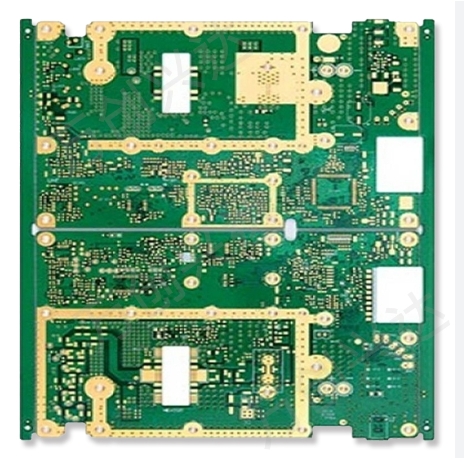
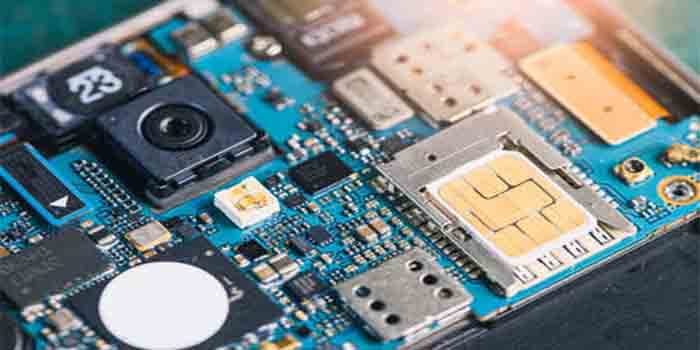
Mobile Phone PCB Layout: Key Considerations and Wiring Best Practices

Engineering Context Modern smartphones integrate increasingly complex electronic functions into extremely compact form factors. A mobile phone PCB must support high-speed processors, 5G communication modules, RF front-end circuits, camera systems, power management units, sensors, wireless charging, and high-density memory devices while maintaining reliability and signal performance. Unlike traditional electronic boards, Mobile Phone PCB design requires...

How to Deal with Power Supply Noise Interference in PCB Design

In modern electronic systems, power integrity has become one of the most critical factors affecting PCB performance and reliability. As electronic products become: faster, more compact, more power-dense, more sensitive to signal fluctuations, power supply noise interference can create serious design challenges, including: unstable circuit operation, signal integrity degradation, electromagnetic interference (EMI), increased system errors,...

Basic Rules for PCB Layout and Wiring

Printed Circuit Board (PCB) layout and wiring are essential processes that transform a circuit schematic into a manufacturable electronic product. A well-designed PCB not only ensures electrical performance but also improves reliability, thermal management, production efficiency, and long-term stability. As electronic products become smaller and more powerful, PCB designs face increasing challenges such as higher...

PCB Material Selection Guide

Selecting the right PCB material is not just a design choice—it directly impacts signal integrity, thermal performance, manufacturability, and long-term reliability. For engineers and sourcing professionals, material selection often becomes the hidden factor behind project success or failure, especially in high-frequency, high-speed, or harsh-environment applications. This guide breaks down how to choose PCB materials based...

How Are Printed Circuit Boards Manufactured?

Circuit boards play a key role in making sure electronic products work properly. They provide structural support and link all the electrical parts together. Whether it’s in smartphones, laptops, or household devices, none could operate without a PCB. This guide will introduce you to the components of a printed circuit board and help you understand the manufacturing process....

PCB Plating Hole Filling Technology

As electronic products continue to evolve toward higher density, faster signal transmission, and greater reliability, traditional through-hole processing is no longer sufficient for many advanced PCB designs. Technologies such as HDI (High-Density Interconnect), BGA (Ball Grid Array), and fine-pitch surface-mount devices often require plated through holes with improved mechanical strength and completely sealed surfaces. PCB...

Why EMC Compliance important in Motor Control PCB Design

Ensuring Electromagnetic Compatibility (EMC) compliance in motor control PCBs is essential to avoid interference issues, maintain system reliability, and ensure regulatory approval for market access. Here’s a breakdown of why EMC compliance matters and how to achieve it. 1. Why is EMC Compliance Important? Ensures Reliable Operation Without proper EMC measures, Electromagnetic Interference (EMI) can disrupt nearby electronic devices, causing system...