HomeCategory

Advanced Engineering Technologies for PCB & PCBA Solutions - KKPCB

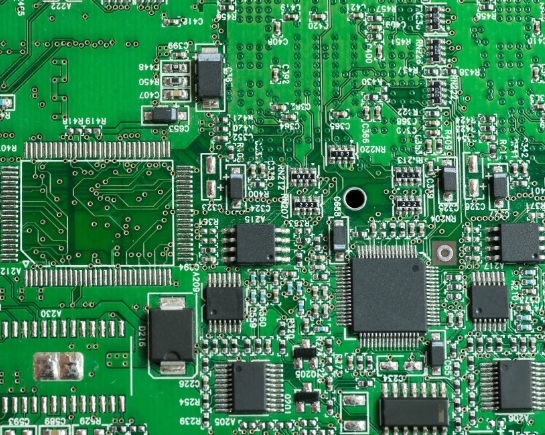
Application of waterproof material on pcb and FPC proofing

With the rapid development of electronic products toward miniaturization, lightweight design, and higher reliability, PCB and FPC technologies are increasingly applied in environments where exposure to moisture, humidity, water splash, chemicals, and dust cannot be avoided. Applications such as automotive electronics, wearable devices, medical equipment, industrial control systems, outdoor monitoring devices, and smart sensors require...
PCB Screen Printing Stencil Making Process

In modern PCB assembly, solder paste printing is one of the most critical steps in the SMT manufacturing process. Before components are placed and soldered, a precise amount of solder paste must be deposited onto specific PCB pads. The quality of this process directly affects: solder joint reliability, component placement accuracy, assembly yield, production consistency....

PCB Screen Printing Vs PCB Inkjet Printing: What’s Difference

Printed circuit boards (PCBs) serve as the foundation for electronics, providing the mechanical structure and electrical connections between components. PCB fabrication involves many steps, including printing conductive traces, solder mask, legend, and other features onto the bare boards. Two of the most common PCB printing methods are screen printing and inkjet printing. Both techniques can accurately reproduce fine features on a PCB, but...

What is the Significance of Solder Paste Printing?

1. Introduction: Why Solder Paste Printing Is Critical in SMT Assembly In modern PCB assembly (PCBA) manufacturing, especially in Surface Mount Technology (SMT) processes, solder paste printing is one of the most critical initial steps. Although it may appear simple, solder paste printing directly determines the quality of: Component placement accuracy Solder joint strength Electrical...

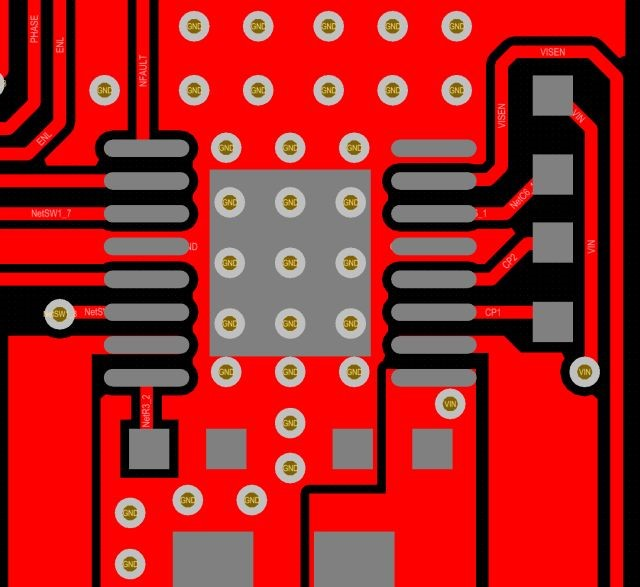
PCB Design for Motor Driver ICs: Key Techniques for Thermal Management and Power Handling

Motor driver ICs handle high currents and dissipate substantial heat, so efficient PCB design is essential to ensure proper heat dissipation and reliable performance. Below are some best practices for designing a robust PCB for motor driver ICs. 1. Use Large Copper Areas of PCB layout Copper plays a vital role in heat dissipation because it has...

Advanced Insights into IoT’s Impact on PCB Design and Manufacturing

Introduction As IoT technology advances, so do the requirements for Printed Circuit Board (PCB) design and manufacturing. This blog extends the discussion on how IoT is driving innovations in PCB design, exploring deeper insights into new design techniques, material advancements, manufacturing challenges, and future prospects. Advanced Design Strategies for IoT-Enabled PCBs Design for Manufacturability (DFM) and Assembly (DFA)...

The Importance of EMC and EMI Risk in PCB Design and Manufacturing

Engineering Context / Abstract Electromagnetic compatibility is not a final certification task that begins after a product has been assembled. EMC and EMI risk is created by the schematic, component placement, PCB stackup, trace routing, return-current geometry, power distribution network, cable interface, enclosure, and manufacturing variation. When these elements are treated separately, a PCB may...

China’s Key Position as the World’s Largest PCB Manufacturer

China is pivotal in the global Printed Circuit Board (PCB) manufacturing industry. According to recent news reports, China has become the world’s largest PCB manufacturer, showing strong growth across multiple sectors. With the booming development of the electronics industry, particularly in consumer electronics, automotive electronics, and industrial automation, the demand for PCBs continues to rise, and China,...

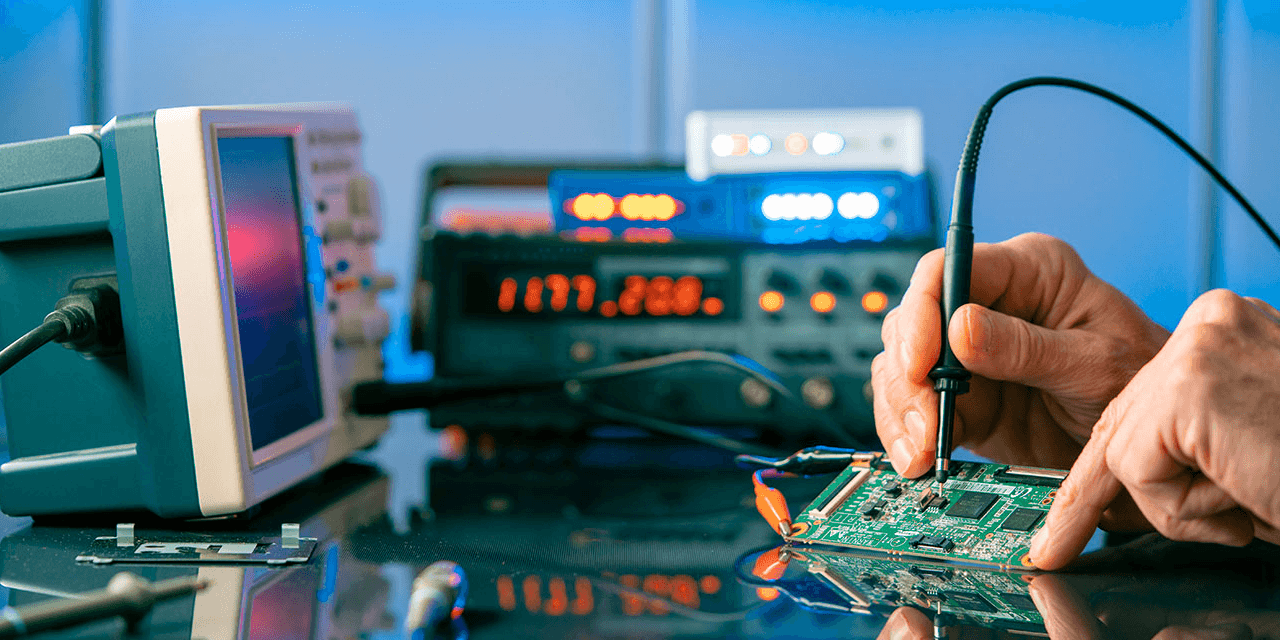
The Importance of Reliable PCB Testing Standards for Electronic Circuit Performance

In the modern electronics landscape, where devices are becoming smaller, faster, and more complex, the margin for error in PCB manufacturing has shrunk to nearly zero. A single microscopic defect in a multilayer PCB can lead to system-wide failure, costly recalls, or even safety hazards. Ensuring peak electronic circuit performance is not just about high-quality design; it is about the rigorous...