HomeCategory

Advanced Engineering Technologies for PCB & PCBA Solutions - KKPCB

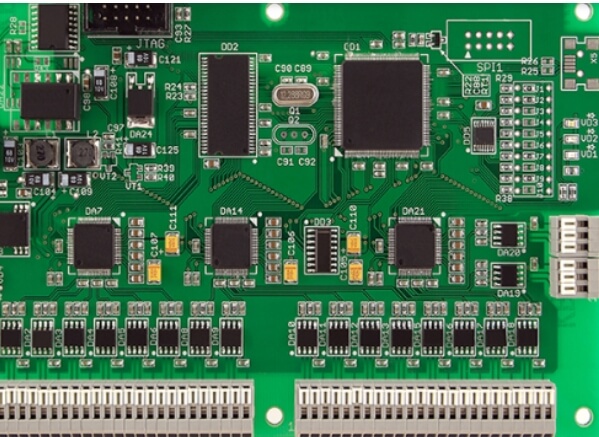
Detailed explanation of three special PCB wiring methods

PCB routing is one of the most important stages in printed circuit board design. A well-designed routing strategy directly affects: Signal integrity Power integrity Electromagnetic compatibility (EMC) Thermal performance Manufacturing reliability With the increasing complexity of electronic products, traditional point-to-point routing methods are often insufficient for advanced applications. High-speed digital systems, RF circuits, power electronics,...
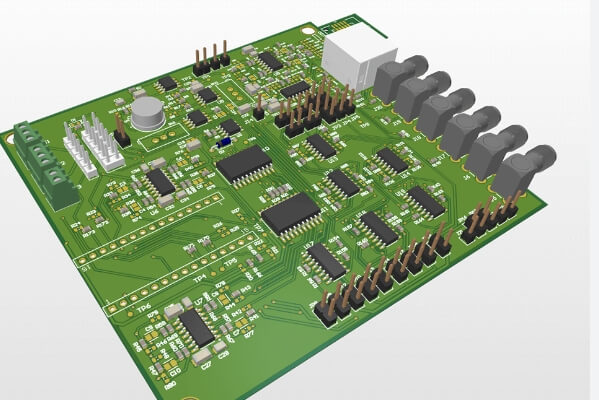
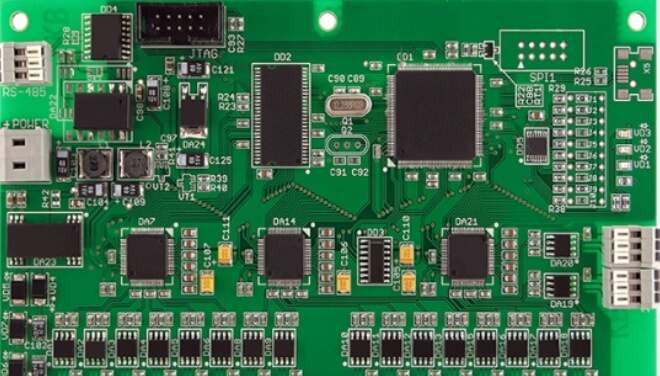
Complete Guide to ESD Prevention in PCB Design

Electrostatic discharge (ESD) is one of the most common reliability challenges in modern electronic products. With increasing levels of integration, smaller component packages, and faster signal transmission speeds, electronic devices have become more sensitive to transient electrical disturbances. ESD events can occur during: Product assembly Transportation User operation Maintenance activities External cable connection A sudden...

Electromagnetic Compatibility (EMC) Design in PCB Boards

As electronic products become more advanced, they encounter more sources of electromagnetic interference (EMI) that can disrupt device function and potentially harm health. This guide explores strategies for designing PCB boards with optimized electromagnetic compatibility (EMC), focusing on reducing interference and increasing product resilience. 1. PCB Board Design PCB boards are essential components in electronic devices, providing...

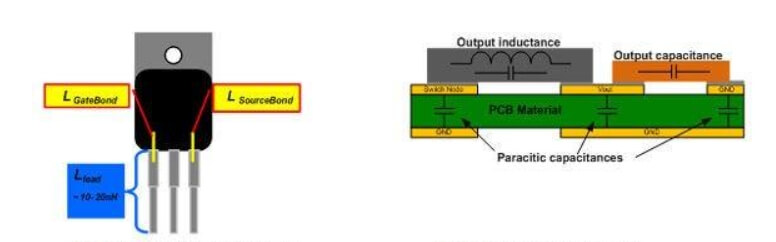
How to optimize PCB design to maximize the performance of superjunction MOSFETs

With the increasing demand for higher efficiency and power density in modern power electronics, superjunction MOSFETs have become an important semiconductor technology for applications such as: AC-DC power supplies Electric vehicle charging systems Industrial power converters Renewable energy equipment Motor drive systems High-efficiency switching regulators Compared with traditional MOSFET structures, superjunction MOSFETs achieve lower conduction...

Balanced PCB Stack-Up Design Method

As electronic products continue evolving toward higher integration, faster signal transmission, and more compact designs, PCB stack-up design has become a critical factor affecting electrical performance and manufacturing reliability. A PCB stack-up is not simply an arrangement of copper layers and dielectric materials. It determines: Signal integrity Power distribution performance Electromagnetic compatibility (EMC) Mechanical stability...

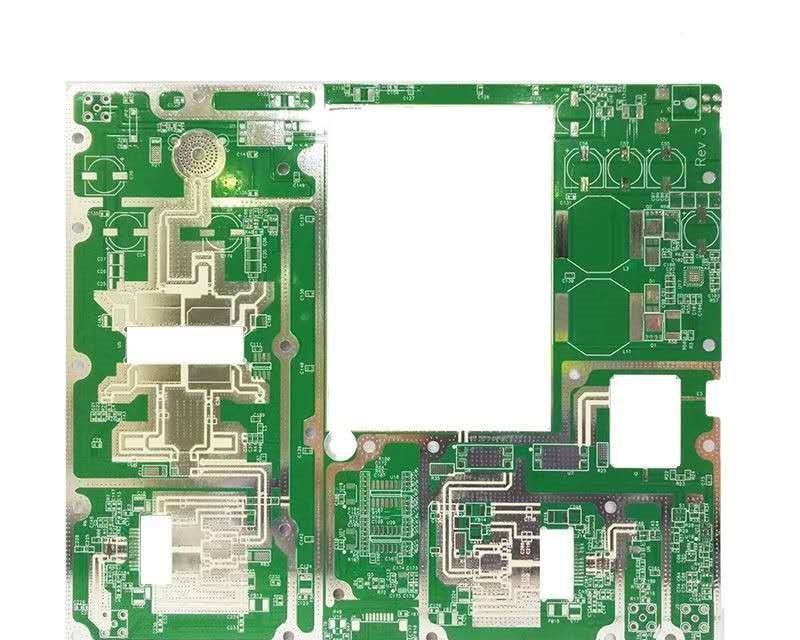
Understand the performance and applications of Rogers 6010 and aluminum based high-frequency PCB

Introduction: Choosing the Right High-Frequency PCB Material In modern high-frequency PCB design, material selection plays a decisive role in determining signal integrity, thermal performance, and overall system reliability. Among the most widely used materials, Rogers 6010 and aluminum-based high-frequency PCB solutions stand out for their unique advantages in RF applications, microwave circuits, and high-power electronic...

IC Replacement Skills in PCB Circuit Design

Integrated circuits (ICs) are among the most critical components in modern electronic systems. They determine key functions such as signal processing, power management, communication, control, and data conversion. However, during product development or mass production, engineers may encounter situations where the original IC cannot be used due to: Component shortages Product lifecycle changes Cost optimization...

How to Overcome Challenges in PCB Copy Board Design in the Intelligent Era

With the advancement of policies by the National People’s Congress and the Chinese People’s Political Consultative Conference supporting entrepreneurship and innovation, the electronics industry has been rapidly transforming, propelling us into the intelligent era. In this context, upgrading PCB copy board design technology has become essential. With the expansion of the smartphone and tablet markets,...

Summary of experience in layout and wiring of mobile phone RF PCB board

As smartphones continue to integrate more wireless communication technologies into increasingly compact designs, RF (Radio Frequency) PCB layout and routing have become critical factors affecting overall device performance. Modern mobile phones typically incorporate multiple RF subsystems, including 5G, 4G LTE, Wi-Fi, Bluetooth, GNSS (GPS), NFC, and Ultra-Wideband (UWB), all operating within a limited PCB area....

Enhancing Anti-Static ESD Function in PCB Design

With the increasing integration and miniaturization of electronic products, PCB designs are becoming more sensitive to external electrical disturbances. Among various reliability challenges, Electrostatic Discharge (ESD) is one of the most common threats that can affect electronic system performance and product lifetime. Static electricity generated during human contact, manufacturing processes, transportation, or environmental changes can...