HomeCategory

Advanced Engineering Technologies for PCB & PCBA Solutions - KKPCB

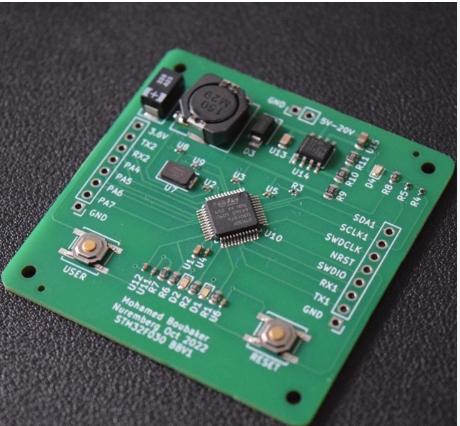
PCB Design Principles for Single-Chip Microcontroller Control Boards

Single-chip microcontroller (MCU) control boards are widely used in industrial automation, consumer electronics, automotive systems, medical devices, smart sensors, and embedded control applications. Although MCU-based systems are relatively compact compared with complex computing platforms, their PCB design still requires careful engineering consideration. Factors such as power stability, clock signal quality, reset reliability, electromagnetic compatibility (EMC),...
Electromagnetic Compatibility (EMC) Challenges in PCB Design

With rising PCB trace speeds, electromagnetic compatibility (EMC) becomes increasingly crucial in PCB design. Key EMC attributes are essential to analyze in order to identify and mitigate potential interference sources. Below are the five critical attributes to consider during EMC analysis, followed by practical layout strategies. 1. Key Component Size and Trace Length Radiating Device Size: The...

PCB Design Wiring Rules: Best Practices for Optimal Performance

PCB wiring is one of the most critical stages in printed circuit board design. A well-planned routing strategy directly affects signal quality, power stability, electromagnetic compatibility, and manufacturing reliability. As electronic products continue developing toward: Higher operating frequencies Smaller form factors Greater circuit density Increased functional integration traditional wiring methods are no longer sufficient for...

Essential Checkpoints for Final Stages of PCB Design

Inexperienced PCB designers often overlook critical checks in the later design stages, leading to issues like inadequate line width, misplaced silkscreens, and insufficient spacing near sockets. These errors can cause electrical or manufacturing issues, potentially requiring redesigns and increasing production costs. Below is a comprehensive list of essential PCB design checkpoints to ensure product quality and manufacturability....

How to Reduce Circuit Board Noise

As electronic products continue to become faster, smaller, and more integrated, circuit board noise has become a major challenge in PCB design. High-speed processors, switching power supplies, wireless communication modules, and sensitive analog circuits all generate unwanted electrical noise that can affect system performance. Excessive PCB noise may result in: Signal distortion Communication errors Measurement...

Precautions for PCB Design

PCB design is a critical stage that directly influences the electrical performance, manufacturability, reliability, and production efficiency of electronic products. As modern electronic systems continue developing toward higher speed, smaller size, and greater functional integration, PCB designers must consider more than just circuit connectivity. Factors such as signal integrity, power distribution, thermal management, component placement,...

Grounding Methods for Multi-Layer PCB Boards

With the increasing complexity of modern electronic systems, multi-layer PCB boards have become widely used in applications requiring high-density routing, high-speed signal transmission, and improved electrical performance. In multi-layer PCB design, grounding is not simply a connection between components and the power supply reference. A properly designed grounding structure directly affects signal integrity, electromagnetic compatibility...

Practical Experience in PCB ESD Design

In modern electronics, PCB ESD design (Electrostatic Discharge design) is critical for ensuring product reliability and compliance with international standards. As circuits become more sensitive and densely integrated, improper ESD protection in PCB design can lead to catastrophic failures, latent defects, and reduced product lifespan. Drawing from practical engineering experience, this guide explores real-world PCB...

Overview of DFM Technical Requirements for PCB Process

Design for Manufacturability (DFM) optimizes designs for the manufacturing process, making it an essential component of concurrent engineering. By considering factors such as manufacturability and assembly requirements early in the design phase, DFM streamlines production, bridges CAD-CAM communication, and enhances product reliability. Here, we cover general technical requirements for DFM in PCB manufacturing. I. General Requirements...

Common Standards in Printed Circuit Boards (PCB)

Printed Circuit Boards (PCBs) are the foundation of modern electronic systems, supporting electrical connections, mechanical structures, and signal transmission between electronic components. As PCB applications continue expanding into industries such as automotive electronics, aerospace, medical equipment, telecommunications, industrial control, and consumer electronics, consistent quality and reliability have become increasingly important. To ensure PCB performance, manufacturability,...