HomeCategory

PCB Materials | FR-4, High-Frequency, Low-Loss & Heavy Copper - KKPCB

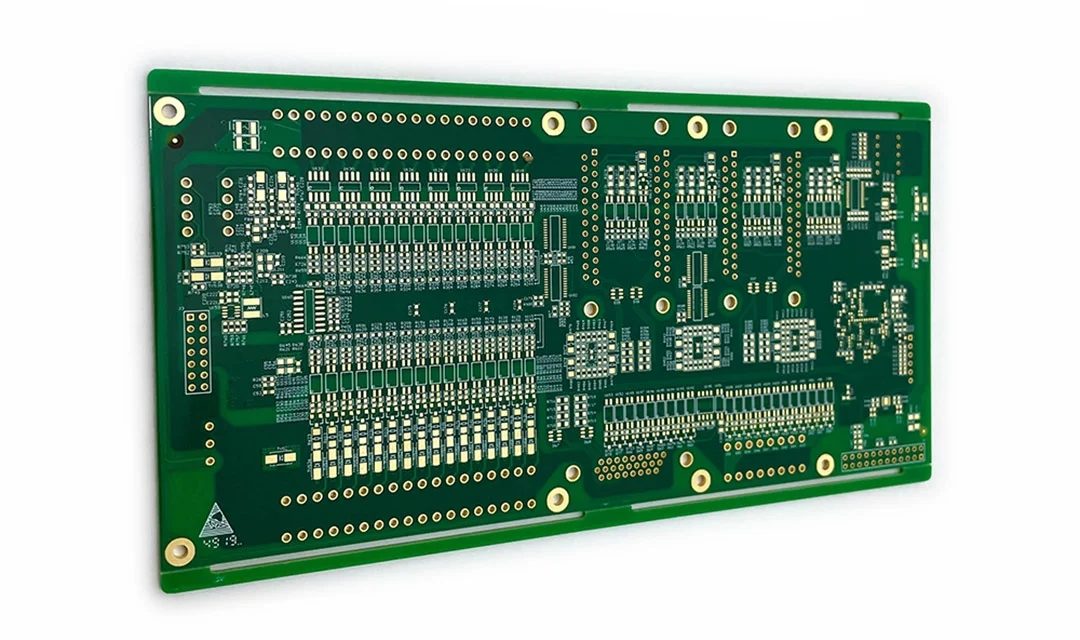
Advantages and Disadvantages of Multilayer PCBs

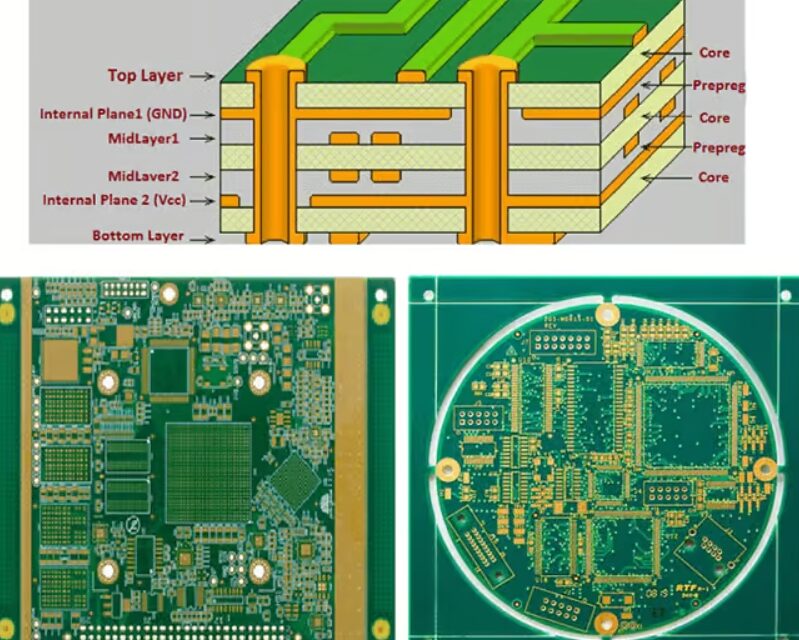
With the continuous development of electronic products toward higher performance, smaller size, and greater functional integration, traditional single-layer and double-layer PCBs can no longer satisfy the requirements of many advanced applications. A multilayer PCB is a circuit board composed of multiple conductive copper layers laminated together with insulating dielectric materials. By increasing the number of...
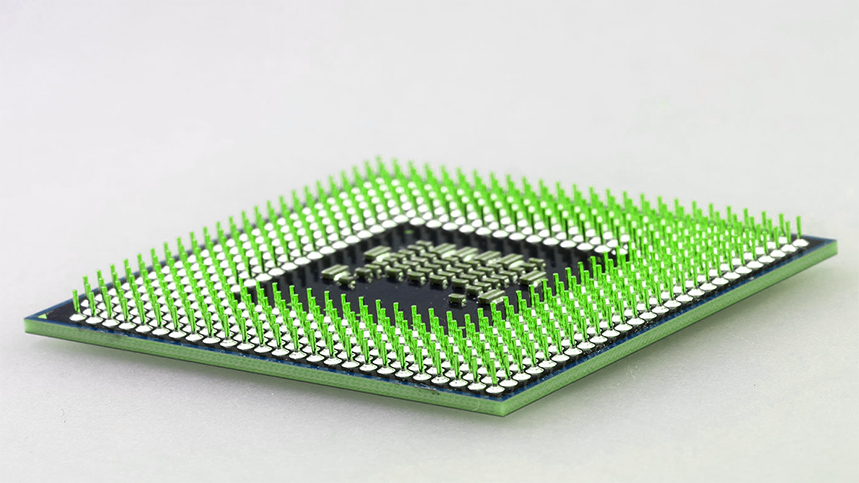
Comprehensive Guide to IC Substrates and Their Role in Electronics

As semiconductor devices continue to evolve toward higher processing performance, smaller package sizes, and greater integration density, traditional PCB technologies alone are no longer sufficient to meet the interconnection requirements between silicon chips and electronic systems. IC substrates serve as a critical connection platform between semiconductor chips and printed circuit boards (PCBs), enabling reliable electrical...

Optimized Article: Multilayer FR4 PCB Substrate Material and Ceramic PCB Comparison

Material selection is one of the most important decisions in PCB development. As electronic products continue evolving toward higher power density, higher frequency operation, and increased reliability requirements, engineers must carefully evaluate whether traditional PCB materials or advanced substrate technologies are suitable for specific applications. Among various PCB substrate solutions, multilayer FR4 PCBs and ceramic...

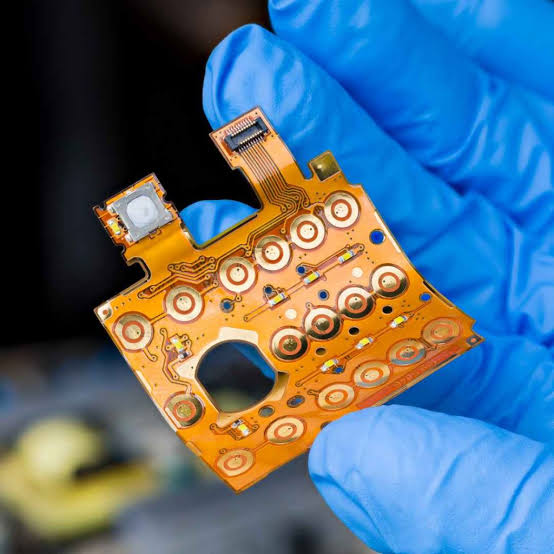
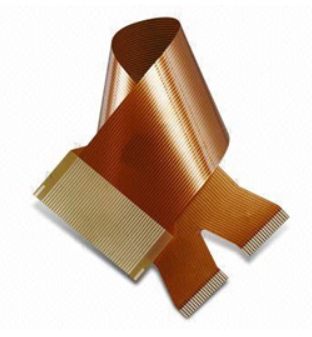
4 layer Flex PCB Manufacturing and Stackup guidelines

With the increasing demand for compact, lightweight, and highly reliable electronic products, flexible printed circuit boards (Flex PCBs) have become an important solution for modern electronic design. Compared with traditional rigid PCBs, Flex PCBs provide: Space-saving three-dimensional installation Reduced weight and thickness Improved mechanical flexibility Fewer connectors and wiring components Better resistance to vibration and...

PCB printed circuit board special processing technology

With the continuous development of electronic products toward higher performance, smaller size, higher integration, and improved reliability, traditional PCB manufacturing processes are increasingly unable to meet the requirements of advanced applications. To achieve specific electrical, mechanical, thermal, and reliability performance, PCB manufacturers have developed various special processing technologies beyond standard fabrication processes. PCB special processing...

Comprehensive Guide to RF PCB Design

With the rapid development of wireless communication, radar systems, IoT devices, automotive electronics, and satellite communication technologies, RF (Radio Frequency) PCB design has become increasingly important in modern electronic systems. Unlike conventional digital PCBs, RF PCBs operate at high frequencies where even small variations in: Material properties Trace geometry Layer structure Grounding design Manufacturing tolerance...

Annular Ring in PCB: Key Considerations for Design and Manufacturing

In PCB design and manufacturing, every detail of the circuit structure can influence the reliability and performance of the final product. Among these details, the annular ring is a critical but often overlooked factor that directly affects via reliability, electrical connectivity, and manufacturing yield. The annular ring refers to the copper area surrounding a drilled...

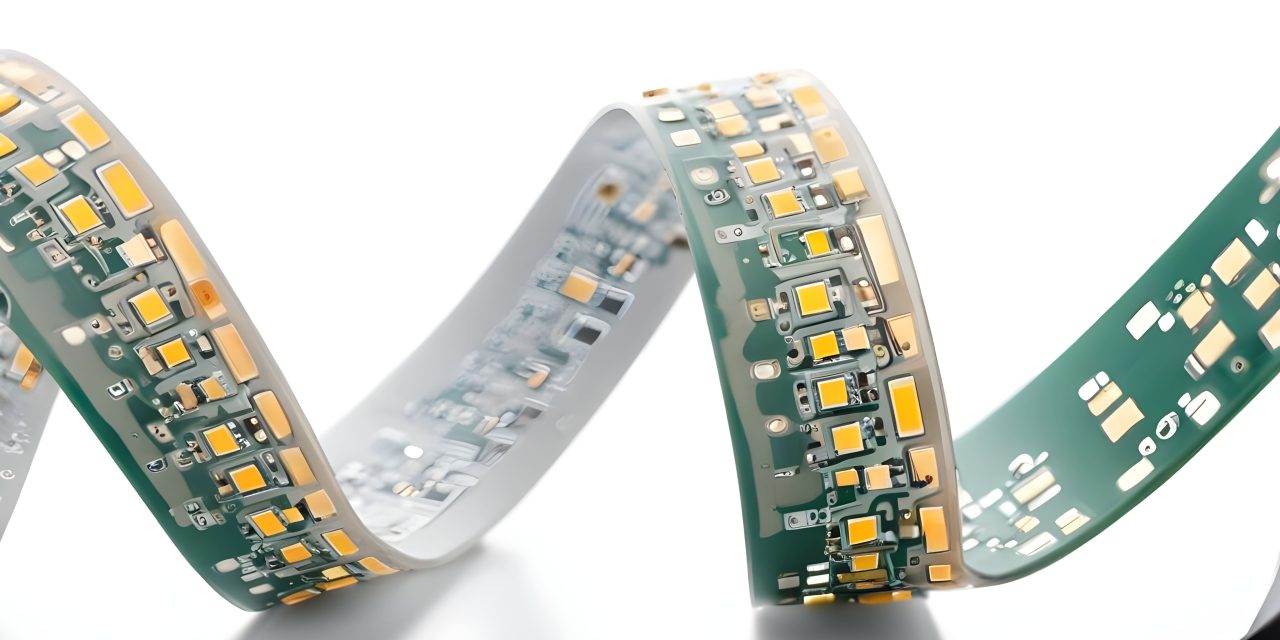
How to Choose the Right Material for Flexible LED PCB

Introduction: Why Material Selection Matters in Flexible LED PCB In modern LED lighting applications, selecting the right material for a flexible LED PCB is critical to achieving optimal thermal performance, flexibility, and long-term reliability. As LED products continue to evolve toward thin, lightweight, and bendable designs, the importance of choosing the correct flexible PCB material...

What to Look For When Choosing a Fast Flex PCB Manufacturer

As electronic products continue to evolve toward miniaturization, lightweight structures, and higher integration, flexible printed circuit boards (Flex PCBs) have become an essential technology for modern electronic systems. Compared with traditional rigid PCBs, Flex PCBs offer unique advantages: Three-dimensional assembly capability Reduced product thickness and weight Improved space utilization Fewer connectors and wiring components Better...

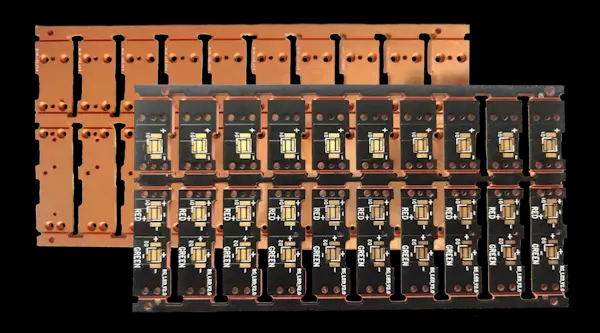
Copper Core PCB: A Revolution in the Electronics Industry

With the rapid development of high-power electronics, electric vehicles, LED lighting, renewable energy systems, and advanced industrial equipment, thermal management has become one of the most critical challenges in electronic product design. As electronic components become more compact while power density continues to increase, traditional FR-4 PCBs may face limitations in heat dissipation performance. Copper...