HomeCategory

PCB Materials | FR-4, High-Frequency, Low-Loss & Heavy Copper - KKPCB

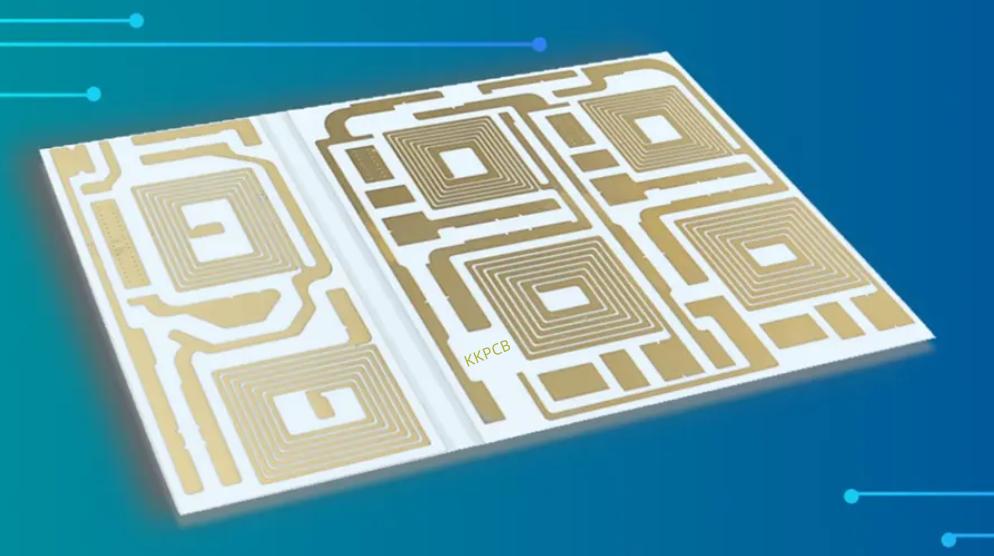
LTCC Multilayer Substrates

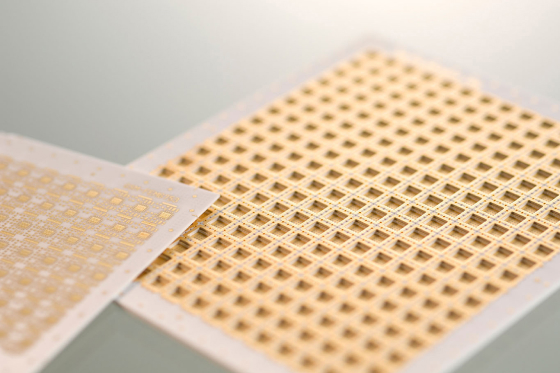
With the continuous development of electronic systems toward higher performance, higher reliability, miniaturization, and harsh-environment operation, traditional PCB technologies face increasing challenges in applications requiring: High-temperature resistance Excellent electrical insulation High-frequency performance Long-term reliability Compact integration HTCC (High Temperature Co-fired Ceramic) multilayer substrate technology has become an important solution for advanced electronic packaging and high-reliability...
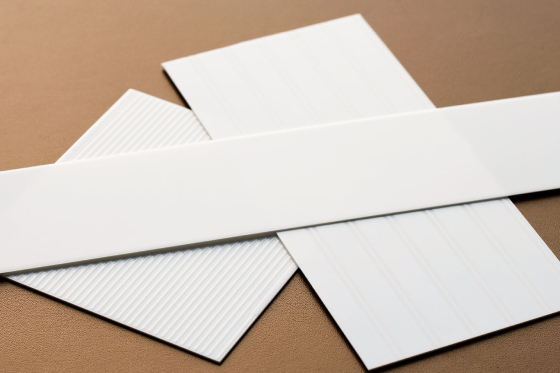
HTCC Multilayer Substrate

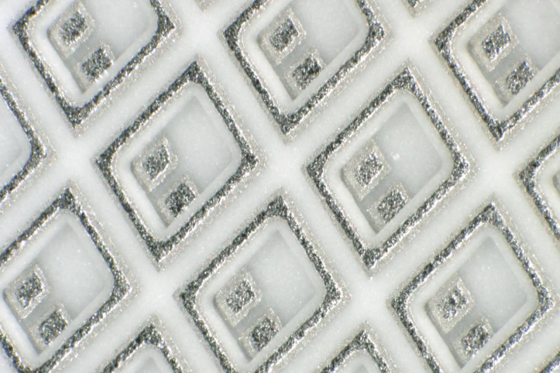
With the continuous development of electronic systems toward higher performance, higher reliability, miniaturization, and harsh-environment operation, traditional PCB technologies face increasing challenges in applications requiring: High-temperature resistance Excellent electrical insulation High-frequency performance Long-term reliability Compact integration HTCC (High Temperature Co-fired Ceramic) multilayer substrate technology has become an important solution for advanced electronic packaging and high-reliability...
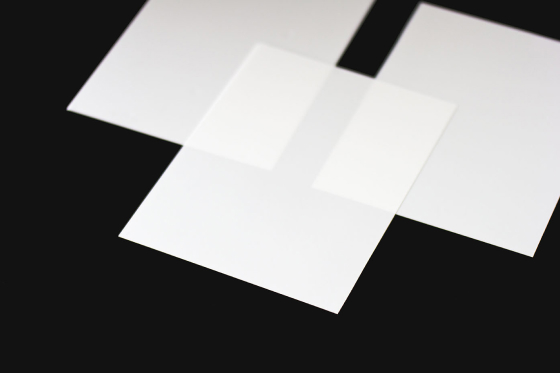
Glazed Substrates

With the continuous development of electronic products toward higher power density, miniaturization, and improved reliability, substrate materials play an increasingly important role in electronic packaging and circuit applications. Traditional PCB materials such as FR-4 are widely used in general electronic products, but they may not meet the requirements of applications involving: High operating temperatures High-frequency...

Alumina-Zirconia Substrates (NA-Z)

With the continuous development of electronic systems toward higher power density, higher reliability, and harsher operating environments, conventional PCB materials are often unable to meet the requirements of advanced applications. Ceramic substrates have become an important solution due to their excellent: Thermal stability Electrical insulation performance Mechanical reliability High-temperature resistance Among ceramic substrate materials, Alumina-Zirconia...

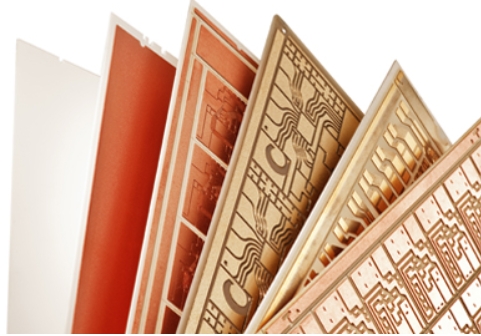
What Types of Ceramic PCBs Are There

The Role of Ceramic PCBs in Advanced Electronics As electronic devices continue to demand higher power density, faster signal speeds, and improved thermal performance, traditional organic PCB materials may no longer meet the requirements of certain high-performance applications. A Ceramic PCB (Ceramic Printed Circuit Board) uses ceramic materials as the substrate instead of conventional FR-4,...

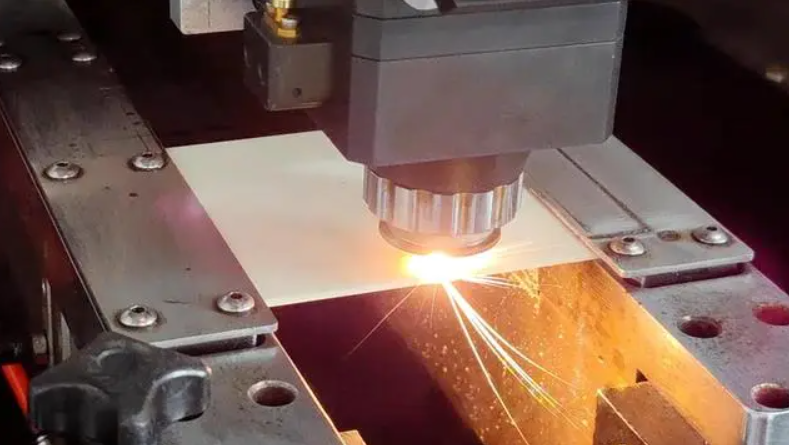
Comparing Ceramic Substrate Cutting Technologies: Laser Cutting vs. Waterjet Cutting

Ceramic substrates are widely used in high-performance electronic applications due to their excellent thermal conductivity, electrical insulation properties, and mechanical stability. They are commonly found in power electronics, LED modules, automotive electronics, RF devices, semiconductor packaging, and other applications requiring efficient heat dissipation and reliable performance. During ceramic substrate manufacturing, cutting is a critical process...

curamik® Metallized Ceramic Substrates

With the rapid development of power electronics, electric vehicles, renewable energy systems, industrial automation, and high-power semiconductor devices, electronic systems are facing increasingly demanding requirements for: Higher power density Better thermal management Improved electrical insulation Long-term reliability Traditional PCB materials such as FR-4 are often limited in applications requiring high voltage, high current, and extreme...

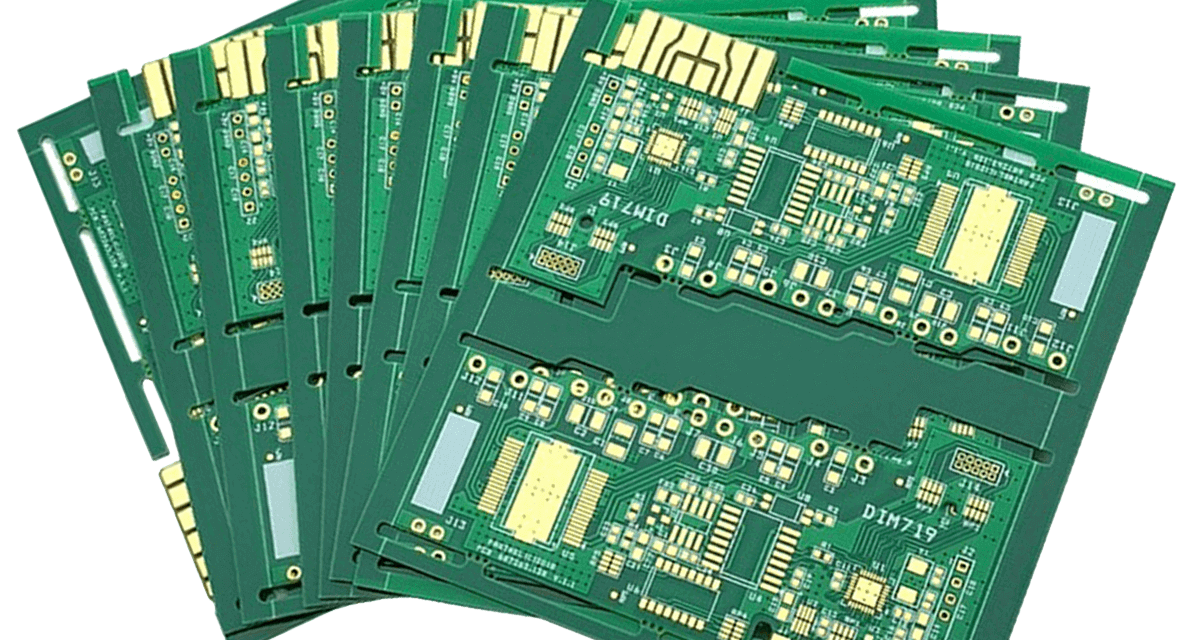
Multilayer PCBs: Overview, Manufacturing, and Design Considerations

With the continuous evolution of electronic products toward higher functionality, smaller form factors, and increased signal complexity, traditional single-layer and double-layer PCBs are often unable to meet modern design requirements. Multilayer PCBs have become an essential technology for advanced electronic systems by providing more routing space, improved electrical performance, and enhanced design flexibility. By integrating...

HDI Printed Circuit Board (PCB)

With the continuous development of electronic products toward miniaturization, higher performance, and greater functional integration, traditional PCB technologies are facing increasing limitations in terms of wiring density and space utilization. HDI (High Density Interconnect) PCB technology has become one of the most important advanced PCB solutions for modern electronic systems. By using microvias, fine lines,...

PCB Prototyping Services

In modern electronics development, PCB prototyping services play a critical role in transforming circuit concepts into functional hardware. Whether for high-speed PCB design, RF PCB development, or industrial electronics, fast and accurate PCB prototype manufacturing ensures design validation, reduces risks, and accelerates time-to-market. Professional PCB prototyping services provide engineers with rapid turnaround, high-quality fabrication, and...