HomeCategory

PCB Design Services | Professional PCB Layout & Design - KKPCB

Detailed explanation of the definition and application scope of high-frequency PCB circuit boards

With the rapid development of wireless communication, radar systems, high-speed data transmission, and advanced electronic equipment, traditional PCB technologies are facing increasing challenges in signal transmission performance. As electronic systems continue moving toward higher frequencies and faster data rates, high-frequency PCB circuit boards have become a critical technology for ensuring stable signal transmission and reliable...
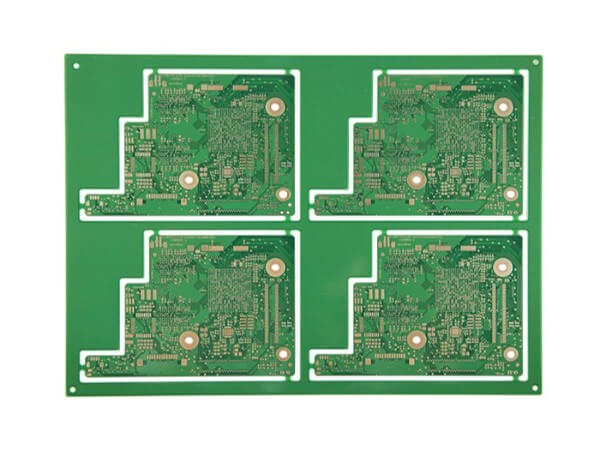
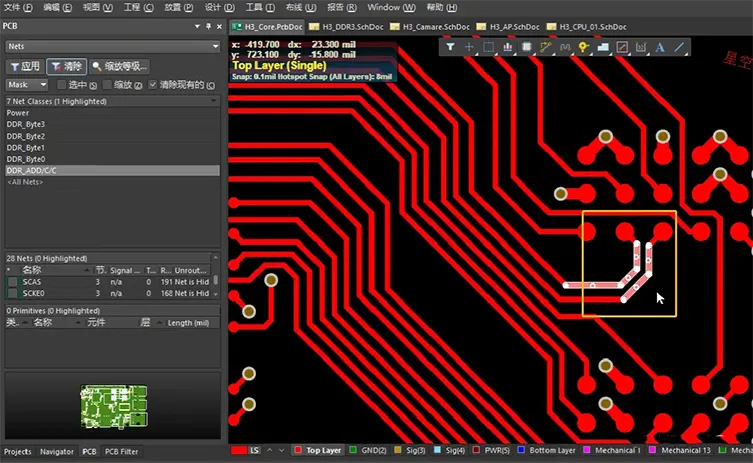
Application fields of high frequency PCB boards

With the rapid development of advanced electronic technologies, high-frequency PCB boards have become a critical component in systems requiring fast signal transmission, stable electrical performance, and reliable operation under demanding conditions. Unlike conventional PCBs, high-frequency PCBs are designed to handle signals operating at higher frequency ranges, where factors such as dielectric loss, signal attenuation, impedance...

What does circuit board impedance mean? What are the requirements for impedance control during PCB manufacturing?

With the continuous development of electronic products toward high-speed transmission, high-frequency operation, and increased integration, PCB electrical performance has become a critical factor affecting system reliability. In traditional low-speed circuits, PCB traces were mainly considered simple electrical connections. However, when signal frequencies increase, PCB traces behave like transmission lines, and their electrical characteristics directly influence...

High-frequency PCB design rules to know

With the rapid development of technologies such as 5G communication, radar systems, satellite communication, automotive electronics, and high-speed computing, electronic systems are operating at increasingly higher frequencies. Traditional PCB design methods are often insufficient for high-frequency applications because even small variations in: Trace geometry Material properties Layer structure Grounding design Manufacturing tolerance can significantly affect...

How to design high frequency PCB for microwave circuit

With the rapid development of wireless communication, radar systems, satellite communication, automotive electronics, and high-speed RF applications, traditional PCB technologies face increasing challenges in maintaining signal integrity and electrical performance at high frequencies. High-frequency PCBs designed for microwave circuits require more than conventional circuit fabrication capabilities. Factors such as material characteristics, dielectric stability, impedance control,...

What is the concept of PCB high frequency board?

With the rapid development of modern electronic systems toward higher communication speeds, higher operating frequencies, and more compact designs, conventional PCB materials such as standard FR-4 are increasingly challenged in high-frequency applications. A PCB high-frequency board is a specialized printed circuit board designed to transmit signals at high frequencies while maintaining stable electrical performance, low...

Grounding method in multilayer PCB circuit board

In modern multilayer PCB circuit board design, selecting the correct grounding method is essential for ensuring optimal signal integrity, minimizing electromagnetic interference (EMI), and maintaining stable power integrity. A well-designed grounding system not only improves overall PCB performance but also enhances the reliability of high-speed and high-frequency electronic applications. One of the most widely used...

The difficulty of making multi-layer PCB circuit boards

With the increasing complexity of modern electronic products, traditional single-layer and double-layer PCBs can no longer meet the requirements of high-density circuits, high-speed signals, and advanced functionality. Multi-layer PCB technology has become an essential solution for applications requiring: Higher circuit density More complex signal routing Improved electrical performance Better space utilization Enhanced product reliability However,...

KKPCB Multilayer Circuit takes you to understand the soft

With the continuous development of electronic products toward miniaturization, lightweight design, and high integration, traditional rigid PCB solutions are facing increasing challenges in applications requiring compact structures, three-dimensional assembly, and dynamic bending performance. Flexible circuits, also known as Flexible Printed Circuits (FPCs), have become an important PCB technology for advanced electronic applications due to their...

PCB & PCB Assembly Manufacturer-Flex PCB Benefits

Flex PCB Benefits: Enabling Lightweight, Compact, and Reliable Electronics With the rapid development of modern electronics, product designs are becoming increasingly compact, lightweight, and multifunctional. Traditional rigid PCBs may face limitations when applications require complex mechanical structures, limited installation space, or dynamic bending capability. Flexible PCB (Flex PCB) technology provides an effective solution by using...