PCB Design – Page 99 – KKPCB
 
HomeCategory

PCB Design

Relationship Between Current and Line Width in PCB Design

PCB design is a delicate balance of electrical and thermal considerations, with the relationship between current and line width being a cornerstone of reliable circuit functionality. While many empirical formulas, tables, and software tools exist online to guide this aspect of design, this article consolidates the most useful references to assist engineers in optimizing PCB layouts....

8 Best Tips and Key Considerations for Designing High-Voltage PCBs

In the world of power electronics, High-Voltage PCB design—typically involving circuits operating above 100V—presents unique challenges that go far beyond standard digital layouts. Designing for high voltage requires a deep understanding of dielectric breakdown, atmospheric conditions, and material science. Failing to implement proper high-voltage safety standards can lead to catastrophic arcing, board carbonization, or complete system failure. Whether...

Optimized Overview: SMT and THT Assembly Processes

When assembling a printed circuit board (PCB), components are mounted onto the board through one of two primary methods: Surface Mount Technology (SMT) or Through-Hole Technology (THT). Each method has distinct advantages and is suited to different applications depending on the project requirements. This guide explores the SMT and THT assembly processes, their differences, and how to choose the right...

Advanced PCBs – Design, Manufacturing, and Assembly

Advanced PCBs are complex multi-layer printed circuit boards (PCBs) with significantly more layers than standard multi-layer boards. These advanced PCBs are crucial for high-end, high-precision electronic devices, which are typically found in industries like industrial equipment, instrumentation, automotive electronics, aviation, military applications, communication systems, complex computing, and space technology. What is Required for Advanced PCBs? The rapid advancement...

Flexible PCB Manufacturing Process: Flexible Circuit Board (FPC)

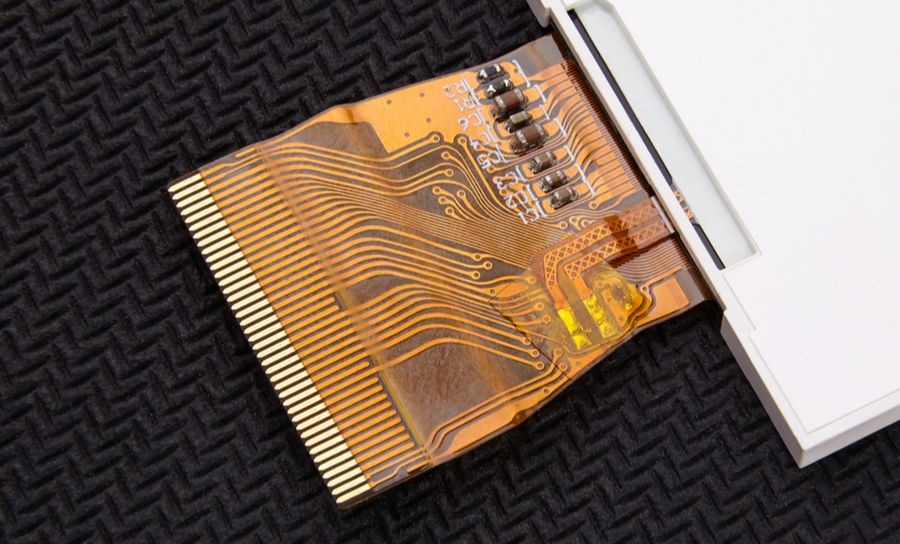
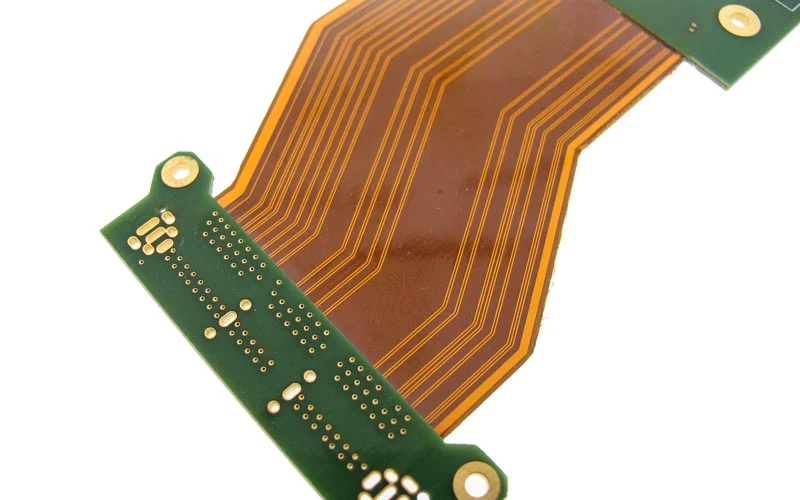
Flexible PCB or Flexible Printed Circuit Boards (FPCBs) play a crucial role in modern electronics, offering flexibility, space-saving benefits, and reliability in a wide range of applications. In this article, we’ll explore the manufacturing process of flexible PCBs, from design to assembly, and discuss their diverse applications in electronic devices. What is a Flexible PCB (FPCB)? A flexible printed circuit...

Multilayer PCB Manufacturing Process: A Complete Step-by-Step Guide

Multilayer printed circuit boards (PCBs) are widely used in modern complex electronics. These PCBs consist of multiple layers of conductive materials stacked on top of each other, enabling the design of more complex circuits with higher functionality. Such complex PCBs are used in various fields such as industrial automation, aerospace, military and medical devices, computers, and...

PCB for SMT (Surface Mount Technology): Choosing the Right PCB for SMD Components

What is a PCB? A Printed Circuit Board (PCB) is a vital component in almost every electronic product. It serves as the foundation for connecting electronic components through conductive paths (traces), typically made of copper. The traces facilitate the flow of electrical current, enabling electronic devices to function. A PCB can be made of various materials, such...

Advantages and applications of single-sided PCB

What is a Single-Sided PCB? A Single-Sided PCB (also known as a Single-Layer PCB or One-Layer PCB) is the simplest and most cost-effective type of printed circuit board. As the name suggests, it has a single conductive layer (usually copper) on one side of the substrate, with the electronic components mounted on the opposite side. Unlike double-sided PCBs, which feature conductive layers on both sides, single-sided...