HomeCategory

PCB Design Services | Professional PCB Layout & Design - KKPCB

Common Standards in Printed Circuit Boards (PCB)

Printed Circuit Boards (PCBs) are the foundation of modern electronic systems, supporting electrical connections, mechanical structures, and signal transmission between electronic components. As PCB applications continue expanding into industries such as automotive electronics, aerospace, medical equipment, telecommunications, industrial control, and consumer electronics, consistent quality and reliability have become increasingly important. To ensure PCB performance, manufacturability,...
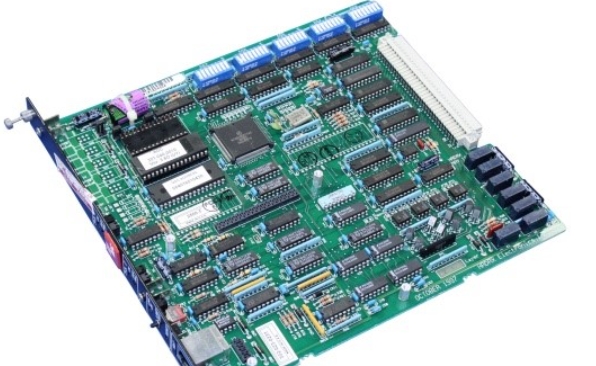
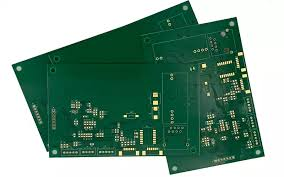
Guide to Restoring Circuit Diagrams from Physical PCBs

In electronic product development, maintenance, and redesign projects, engineers may encounter situations where the original circuit documents are unavailable or incomplete. A common solution is to restore the circuit diagram from an existing physical PCB. PCB reverse engineering, also known as schematic reconstruction, involves analyzing the physical circuit board structure, identifying components and connections, and...

Common Problems and Solutions for Substrates in PCB Design

In modern PCB design, the choice and handling of substrate materials play a critical role in determining the overall performance, reliability, and manufacturability of the circuit board. Substrate-related issues can lead to serious defects such as poor solderability, delamination, signal loss, and even complete product failure. This article outlines the most common substrate problems encountered...

PCB Interconnection Methods

PCB Interconnection Methods PCB interconnection methods are essential techniques used to electrically and mechanically connect printed circuit boards (PCBs) within electronic systems. Choosing the right PCB interconnection method directly impacts signal integrity, reliability, mechanical strength, assembly cost, and overall system performance — especially in complex devices such as smartphones, automotive electronics, industrial control systems, 5G...

PCB Manufacturing Packaging Process

PCB manufacturing is a complex process involving material preparation, circuit fabrication, drilling, plating, surface finishing, inspection, and electrical testing. However, even after a PCB has successfully passed manufacturing inspections, improper packaging can still affect product quality during storage and transportation. PCB packaging is not simply a final delivery step. It is an important quality control...

5 Key Points in PCB Design for Power Supply Applications

Power supply circuits are essential components in almost every electronic system, providing stable and reliable energy conversion for different functional modules. From consumer electronics and industrial equipment to automotive systems and renewable energy applications, the performance of the power supply PCB directly affects overall product reliability. Compared with ordinary signal PCBs, power supply PCB design...

High-Speed PCB Design Guide 8: PCB Reliability Design

With the rapid development of electronic systems toward higher speed, higher integration, and greater functional complexity, PCB reliability has become a critical consideration in high-speed PCB design. In high-speed applications, PCB performance is influenced not only by signal integrity and impedance control but also by long-term reliability under different operating conditions. A high-speed PCB must...

High-Speed PCB Design Guide 5: Noise Reduction Technology for DSP Systems

Digital Signal Processors (DSPs) are widely used in applications that require high-speed data processing and real-time computation, including industrial automation, wireless communications, medical imaging, radar systems, machine vision, audio processing, and AI edge computing. As DSP clock frequencies and data rates continue to increase, maintaining signal integrity while minimizing system noise has become one of...

High-Speed PCB Design Guide 3: Signal Isolation Technology

With the rapid development of high-speed electronic systems, PCB designs are facing increasingly complex signal integrity challenges. Modern electronic devices such as: High-speed communication equipment Data processing systems Automotive electronics Industrial control systems Semiconductor testing equipment often operate with high-frequency signals, fast switching speeds, and dense component layouts. In these environments, signal interference between different...

High-Speed PCB Design Guide 2: Avoiding Pitfalls in Mixed-Signal Systems

With the increasing integration of digital processing, wireless communication, sensing, and power management functions, modern electronic products often combine high-speed digital circuits with sensitive analog circuits on the same PCB. These mixed-signal systems are widely used in: Industrial control equipment Medical devices Automotive electronics Communication systems Data acquisition equipment IoT devices However, combining high-speed digital...