HomeCategory

PCB Design Services | Professional PCB Layout & Design - KKPCB

Multilayer PCB Manufacturing Process, Advantages and Applications

The Growing Importance of Multilayer PCB Technology As modern electronic products continue evolving toward: higher performance smaller size faster data transmission greater functionality intelligent automation traditional single-layer and double-sided PCBs can no longer meet the demands of advanced electronic systems. Today, multilayer PCB technology has become essential in industries such as: telecommunications industrial automation automotive...
Ball Grid Array (BGA) Package

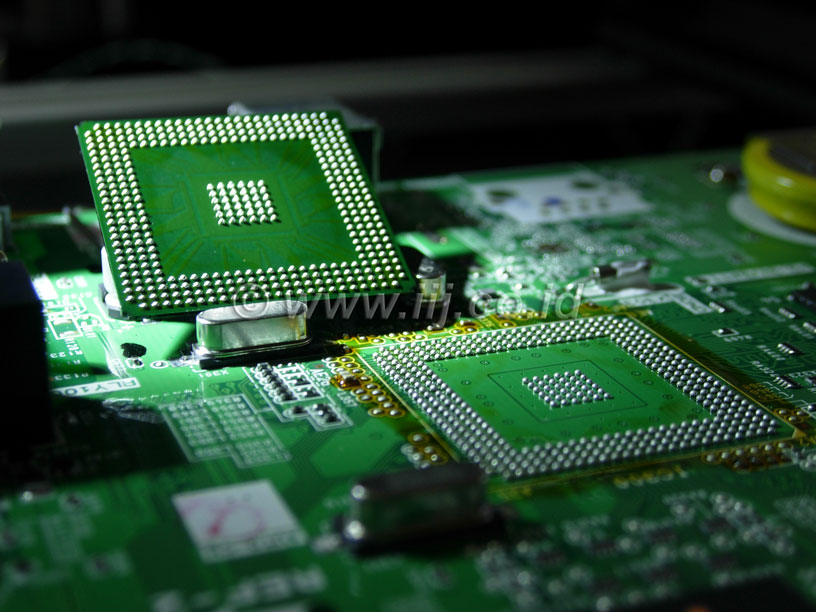
The Ball Grid Array (BGA) package is one of the most widely used advanced semiconductor packaging technologies in modern high-density PCB design and PCBA assembly. It is designed to provide high pin-count interconnections, improved electrical performance, and enhanced thermal management compared to traditional packages such as QFP or QFN. BGAs are extensively used in CPU,...

Advantages and Disadvantages of SMT and Through-Hole Technology

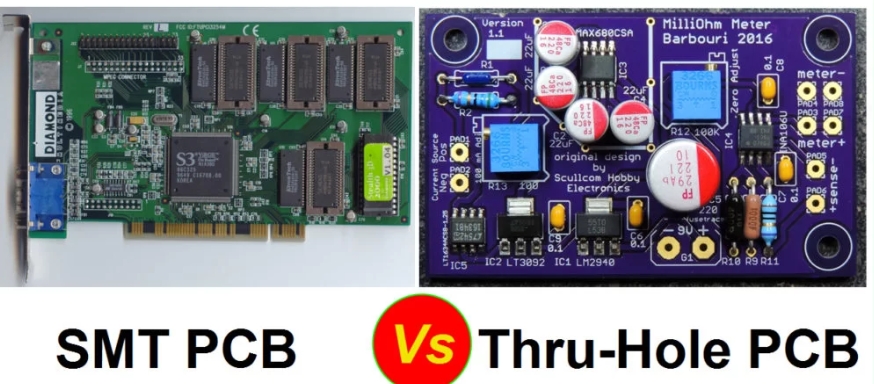
The assembly process is a critical stage in electronic manufacturing, directly affecting product reliability, production efficiency, and overall cost. Among various PCB assembly methods, Surface Mount Technology (SMT) and Through-Hole Technology (THT) are the two most widely used technologies. SMT enables high-density component placement and automated mass production, while THT provides strong mechanical reliability and...

The advantages and application of Rogers RO4350B and RO4003C PCB

With the rapid development of high-frequency communication, automotive radar, 5G infrastructure, and advanced electronic systems, traditional FR-4 materials are increasingly challenged by applications requiring low signal loss, stable dielectric performance, and precise impedance control. For RF and microwave PCB designs, material selection directly affects: Signal transmission quality Insertion loss Phase stability Thermal reliability Manufacturing consistency...

PCB Design and Fabrication for Millimeter-Wave Circuits (Part 1)

Key Points of Millimeter-Wave Applications—Phase Accuracy Affected by Multiple Variables From anti-collision radar systems used in autonomous vehicles to the fifth-generation (5G) high data rate New Radio (NR) networks, the application of millimeter-wave (mmWave) circuits is growing rapidly. Many applications are pushing the operating frequency bands to higher frequencies (such as >24GHz). However, for circuits with shorter...

Solder Paste and Stencil Considerations for Double-Sided PCBs

The Challenge of Double-Sided PCB Assembly In modern SMT PCB assembly, double-sided PCBs are widely used to increase component density and optimize space utilization. However, assembling components on both sides of a printed circuit board introduces additional complexity in solder paste printing and stencil design. Proper control of solder paste and stencil parameters is critical...

Rigid-Flex PCB Design: Revolutionizing Modern Electronics

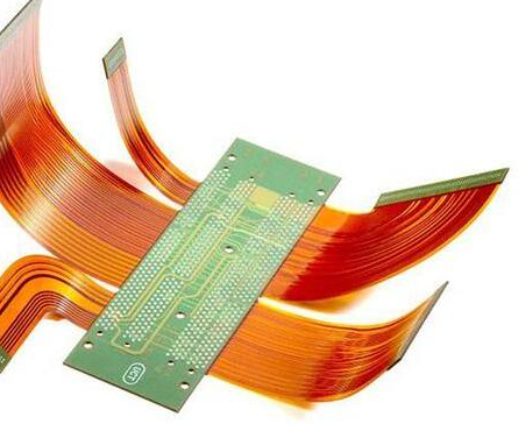
With electronic products becoming increasingly compact, lightweight, and functionally integrated, traditional rigid PCBs and flexible PCBs are facing new design limitations. Modern applications such as wearable devices, medical equipment, aerospace systems, automotive electronics, and industrial equipment require circuit solutions that can withstand mechanical movement while maintaining high electrical reliability. Rigid-flex PCB technology combines the advantages...

IC Continuity Test

In PCB manufacturing and electronic assembly, ensuring the electrical connection reliability of integrated circuits (ICs) is essential for product performance and long-term stability. IC continuity testing is a key verification method used to confirm whether electrical connections between IC pins, PCB traces, vias, and surrounding components are correctly established. During PCB assembly, potential issues such...

Best Formats for 4-Layer PCB Stackups

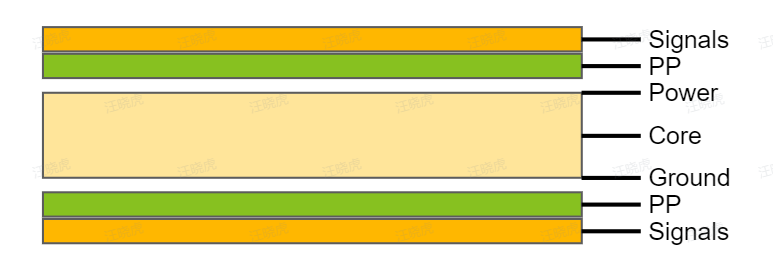
Best Formats for 4-Layer PCB Stackups A well-chosen 4-layer PCB stackup is essential for achieving excellent signal integrity, controlled impedance, effective power distribution, low EMI, and reliable manufacturing — especially in high-speed digital, mixed-signal, RF, automotive, and industrial designs. Compared to 2-layer boards, a properly configured 4-layer stackup provides dedicated reference planes, shorter return paths,...

Materials for High Temperature PCBs

High temperature PCB design is a critical aspect of modern electronics, especially in applications involving high power, harsh environments, or continuous operation. PCBs operating at high power often generate significant heat and may experience repeated thermal cycling, making material selection essential for long-term reliability and performance. While active cooling methods such as fans or heat...