HomeCategory

PCB Design Services | Professional PCB Layout & Design - KKPCB

Rigid-Flex PCBs: Features, Benefits and Challenges

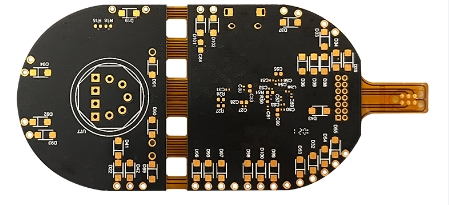
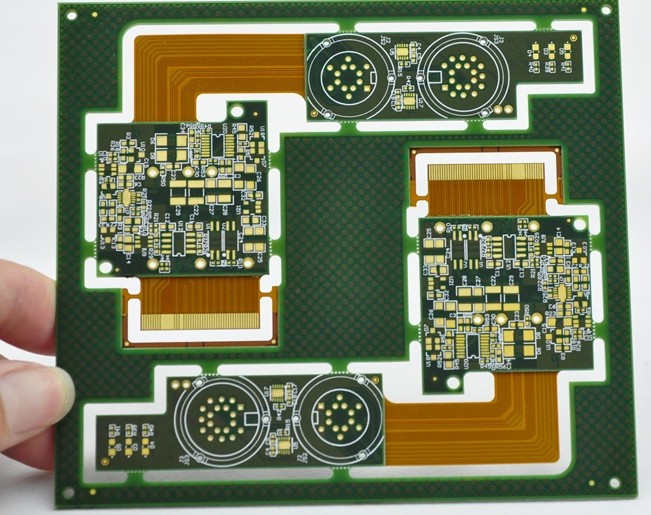
Introduction: The Rise of Rigid-Flex PCB Technology As modern electronics continue to evolve toward miniaturization, high reliability, and complex system integration, Rigid-Flex PCBs have become a key solution in advanced PCB design and manufacturing. By combining the strengths of rigid PCBs and flexible PCBs, Rigid-Flex PCB technology enables innovative product designs that are both compact...
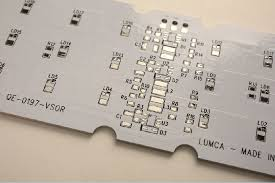
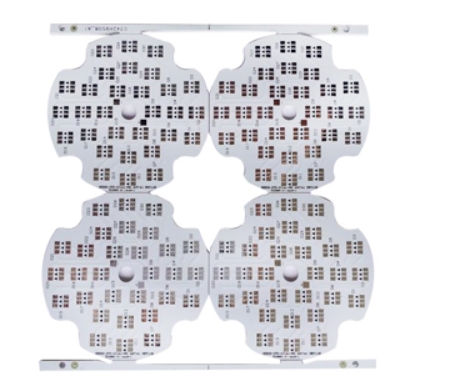
Aluminum PCB vs. Standard PCB: A Complete Guide to Finding the Right One for You!

1. Introduction: Why PCB Material Selection Matters In modern PCB design and manufacturing, material selection plays a decisive role in product performance, especially in applications involving high power density, heat dissipation, and reliability requirements. Two of the most commonly compared options are: Aluminum PCB (Metal Core PCB, MCPCB) Standard FR4 PCB Each type has unique...

Aluminum PCB vs. FR4 PCB: Cost, Materials, and Difference

Selecting the right PCB substrate material is one of the most important decisions in electronic product development. The PCB material directly affects: Thermal performance Electrical characteristics Mechanical strength Manufacturing cost Product reliability Among various PCB substrate options, aluminum PCBs and FR4 PCBs are two of the most widely used solutions. While both are common in...

Types and Applications of Special PCBs

With the rapid development of electronic products toward higher performance, miniaturization, higher reliability, and specialized operating environments, traditional FR-4 PCBs are no longer sufficient for all applications. Special PCBs are developed to meet specific requirements such as: High-frequency signal transmission High thermal conductivity Flexible installation Extreme environmental reliability High-density interconnection High-power operation Compared with conventional...

Special process for PCB processing of circuit boards

With the continuous development of electronic products toward miniaturization, higher performance, and increased reliability, traditional PCB manufacturing processes are often insufficient to meet the requirements of advanced applications. Modern electronic systems such as 5G communication equipment, automotive electronics, medical devices, aerospace systems, semiconductor test equipment, and industrial automation products require PCBs with improved electrical performance,...

Optimizing Thermostat PCB Design: Ensuring Efficient and Reliable Temperature Control Performance

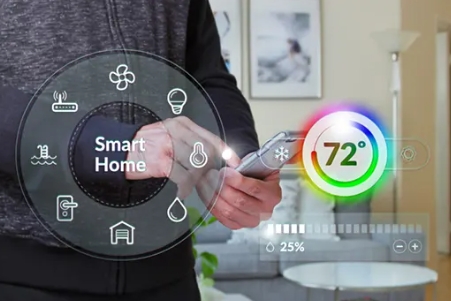
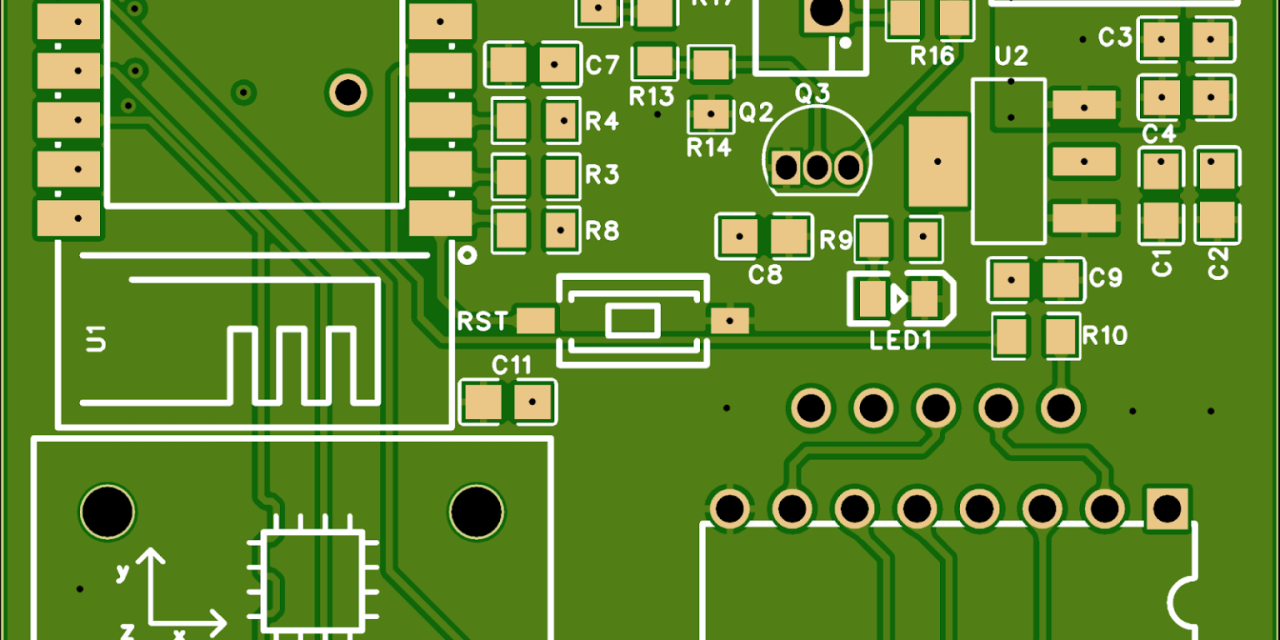
In modern HVAC systems, smart homes, industrial automation, and building management, thermostats play a critical role in precise temperature regulation, energy efficiency, and user comfort. At the heart of every advanced thermostat lies a well-optimized PCB (Printed Circuit Board) that integrates sensors, microcontrollers, power management, wireless connectivity, and user interface elements. Poor PCB design can...

PCB Assembly for Industrial Controls and How to Make Industrial PCBs?

Industrial PCB Assembly as the Backbone of Automation Systems In modern industrial control systems, PCB assembly (PCBA) is the core foundation that ensures reliable operation of automation equipment, PLC systems, motor drives, robotics controllers, and industrial IoT devices. Compared with consumer electronics, industrial PCBs must withstand harsh environments, including high temperature, electrical noise (EMI), vibration,...

Optimized Overview: SMT and THT Assembly Processes

PCB assembly (PCBA) is a critical stage that transforms bare printed circuit boards into functional electronic products. Among various assembly technologies, Surface Mount Technology (SMT) and Through-Hole Technology (THT) remain the two fundamental processes widely used across different industries. With increasing product complexity and reliability requirements, modern electronic manufacturing often combines SMT and THT processes...

Advantages and Applications of Double-Sided PCB

A double-sided PCB (Double-Sided Printed Circuit Board) is a type of circuit board with copper layers on both the top and bottom sides, allowing electrical connections and component placement on both surfaces. Compared with single-sided PCBs, double-sided PCBs provide significantly higher routing density and greater design flexibility. Compared with multilayer PCBs, they offer a more...

Advantages and applications of single-sided PCB

The Single-Sided PCB (Single-Layer PCB) is the most fundamental and widely used type of circuit board in the electronics industry. Featuring a single layer of conductive copper laminated onto a rigid base material (typically FR-4 or CEM-1), these boards are the backbone of high-volume, cost-sensitive electronics. For PCB manufacturing partners like KKPCB, the single-sided board remains a staple for projects...