HomeTag

PCB Material Selection - KKPCB

How Material and Process Choices Affect Your PCB Price Request

Requesting a PCB quotation is not just a matter of sending files and asking for a price. The final cost is heavily influenced by material selection, stackup design, fabrication complexity, and testing requirements. Understanding these factors helps you submit a PCB price request that leads to an accurate, fair, and performance-optimized quote, especially for high-frequency...

Key Manufacturing Factors That Affect Controlled Impedance PCB Accuracy

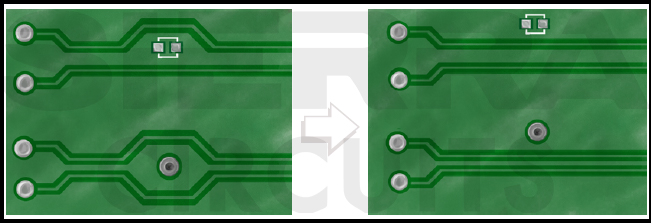
Key Manufacturing Factors That Affect Controlled Impedance PCB Accuracy In today’s high-speed electronics market, Controlled Impedance PCB manufacturing has become a fundamental requirement for ensuring excellent signal integrity and stable electrical performance. As operating frequencies and data transmission speeds continue to rise, even minor impedance deviations in a controlled impedance PCB can result in signal...

Next-Generation 5G PCB Design: Materials, Layout & Engineering Challenges

Introduction 5G is not just an upgrade from 4G—it represents a technological leap forward in global connectivity. With ultra-high speed, wide bandwidth, and expanded frequency ranges such as sub-6 GHz and millimeter wave (mmWave), 5G transforms how devices communicate.At the core of this revolution lies one critical component — the Printed Circuit Board (PCB). A...

PCB Substrate and Core Materials: A Comprehensive Guide

The substrate and core materials are fundamental components of a printed circuit board (PCB), directly influencing its: Electrical performance Mechanical strength Thermal reliability Manufacturing capability Long-term stability As electronic products continue developing toward higher speed, higher power density, miniaturization, and increased reliability, PCB material selection has become increasingly important. Different applications require different substrate characteristics,...

What is the concept of PCB high frequency board?

With the rapid development of modern electronic systems toward higher communication speeds, higher operating frequencies, and more compact designs, conventional PCB materials such as standard FR-4 are increasingly challenged in high-frequency applications. A PCB high-frequency board is a specialized printed circuit board designed to transmit signals at high frequencies while maintaining stable electrical performance, low...

What is Stack-up?

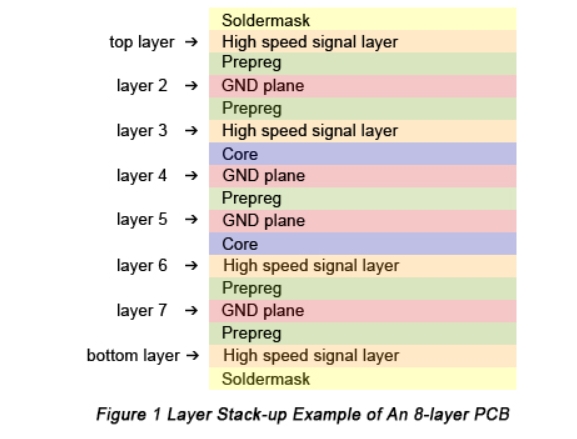
In PCB design and manufacturing, stack-up is one of the most important elements that determines the electrical performance, mechanical reliability, and manufacturability of a printed circuit board. As electronic products continue to develop toward: Higher transmission speeds Smaller form factors Greater circuit density More complex power requirements PCB layer arrangement has become increasingly critical. A...

Aluminum PCB vs. FR4 PCB: Cost, Materials, and Difference

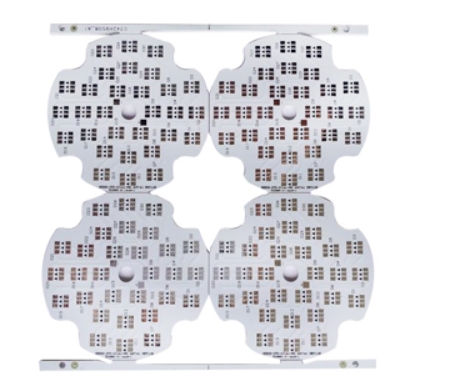
Selecting the right PCB substrate material is one of the most important decisions in electronic product development. The PCB material directly affects: Thermal performance Electrical characteristics Mechanical strength Manufacturing cost Product reliability Among various PCB substrate options, aluminum PCBs and FR4 PCBs are two of the most widely used solutions. While both are common in...

Understand the performance and applications of Rogers 6010 and aluminum based high-frequency PCB

Introduction: Choosing the Right High-Frequency PCB Material In modern high-frequency PCB design, material selection plays a decisive role in determining signal integrity, thermal performance, and overall system reliability. Among the most widely used materials, Rogers 6010 and aluminum-based high-frequency PCB solutions stand out for their unique advantages in RF applications, microwave circuits, and high-power electronic...

PCB Material Selection Guide

Selecting the right PCB material is not just a design choice—it directly impacts signal integrity, thermal performance, manufacturability, and long-term reliability. For engineers and sourcing professionals, material selection often becomes the hidden factor behind project success or failure, especially in high-frequency, high-speed, or harsh-environment applications. This guide breaks down how to choose PCB materials based...