HomeCategory

Advanced Engineering Technologies for PCB & PCBA Solutions - KKPCB

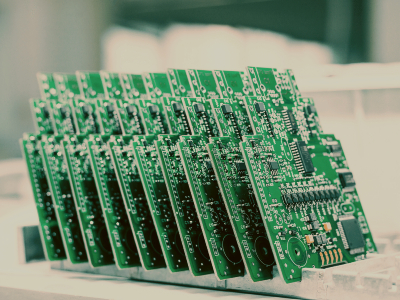
Optimized Guide: What is SMT Assembly?

With the continuous development of electronic products toward miniaturization, higher performance, and increased production efficiency, traditional through-hole assembly methods are gradually being complemented by more advanced manufacturing technologies. SMT (Surface Mount Technology) assembly is one of the most widely used electronic manufacturing processes today. It enables electronic components to be mounted directly onto the surface...
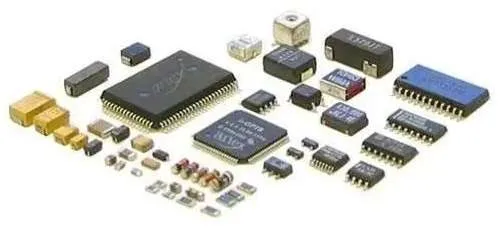
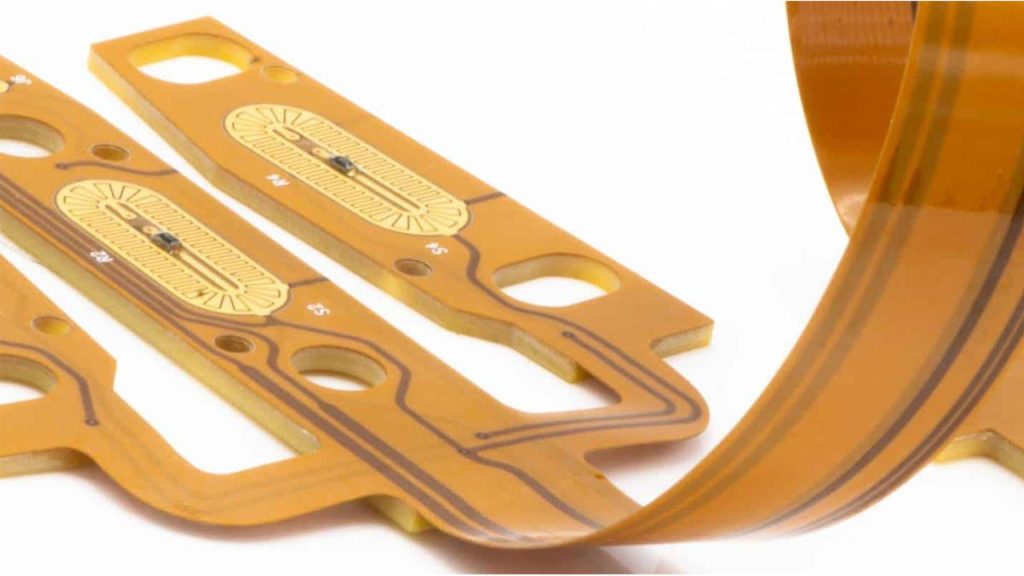
Overview of SMD Components and Their Characteristics

Introduction: The Importance of SMD Components in Modern Electronics In today’s electronics manufacturing industry, SMD components (Surface Mount Device components) are the foundation of modern SMT PCB assembly. As electronic products move toward miniaturization, high performance, and high-density integration, SMD components have become essential in nearly all PCB assembly processes. Understanding the characteristics of SMD...

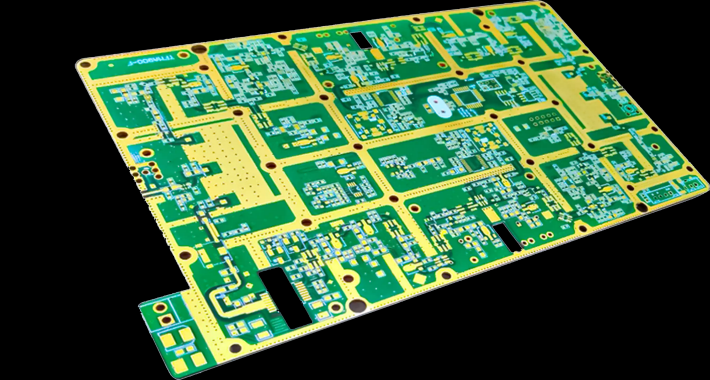
Rigid Flex PCB Cost Optimization

Master Your Budget: Proven Strategies for Rigid Flex PCB Cost Optimization In modern electronics, Rigid-Flex PCB technology is the gold standard for compact, high-reliability designs. However, the complexity of Rigid-Flex manufacturing often leads to higher production expenses. Achieving effective Rigid Flex PCB cost optimization requires a strategic balance between sophisticated engineering and smart logistical choices. At KKPCB, we help engineers navigate these...

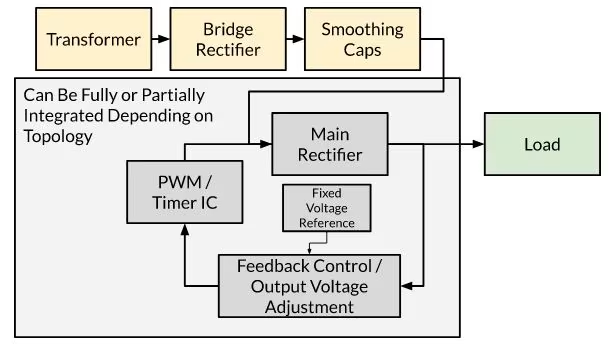
How to Create a Variable Power Supply PCB Layout

A variable power supply PCB is one of the most essential designs in electronic engineering, lab equipment, industrial systems, and embedded development platforms. It allows adjustable output voltage and current, making it suitable for testing, prototyping, and powering sensitive circuits. Designing a reliable variable power supply PCB layout requires careful consideration of power integrity, thermal...

Relationship Between Current and Line Width in PCB Design

In PCB design, trace width is one of the fundamental parameters that directly affects the electrical performance, thermal reliability, and manufacturing quality of a circuit board. When current flows through a PCB trace, the conductor generates heat due to electrical resistance. If the trace width is insufficient, excessive temperature rise may cause: Copper trace overheating...

Long-Term Reliability of High-Frequency Circuit Materials and Printed Circuit Boards

Why Material Stability Matters in High-Frequency PCB Design As RF, microwave, and millimeter-wave electronic systems continue to advance, PCB materials face increasingly demanding performance requirements. In high-frequency applications, PCB performance is not determined only by initial electrical properties. Over time, environmental factors such as: Elevated operating temperatures Thermal cycling Material oxidation Moisture exposure Long-term aging...

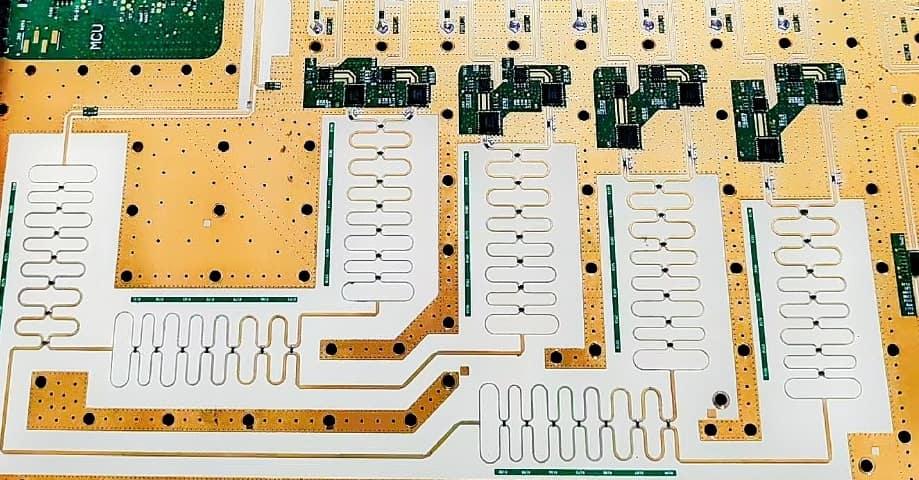
What is high frequency PCB and its characteristics and materials

As wireless communication, radar systems, satellite technology, autonomous vehicles, and high-speed computing continue to evolve, electronic systems are operating at increasingly higher frequencies. Standard PCB materials may no longer provide the electrical stability required for these applications, making high frequency PCBs an essential solution. High frequency PCBs are specifically designed to minimize signal loss, maintain...

Application fields of high frequency PCB boards

With the rapid development of advanced electronic technologies, high-frequency PCB boards have become a critical component in systems requiring fast signal transmission, stable electrical performance, and reliable operation under demanding conditions. Unlike conventional PCBs, high-frequency PCBs are designed to handle signals operating at higher frequency ranges, where factors such as dielectric loss, signal attenuation, impedance...

What is the concept of PCB high frequency board?

With the rapid development of modern electronic systems toward higher communication speeds, higher operating frequencies, and more compact designs, conventional PCB materials such as standard FR-4 are increasingly challenged in high-frequency applications. A PCB high-frequency board is a specialized printed circuit board designed to transmit signals at high frequencies while maintaining stable electrical performance, low...

Grounding method in multilayer PCB circuit board

In modern multilayer PCB circuit board design, selecting the correct grounding method is essential for ensuring optimal signal integrity, minimizing electromagnetic interference (EMI), and maintaining stable power integrity. A well-designed grounding system not only improves overall PCB performance but also enhances the reliability of high-speed and high-frequency electronic applications. One of the most widely used...