HomeCategory

Advanced Engineering Technologies for PCB & PCBA Solutions - KKPCB

High-Performance RF & Microwave PCBs for Radar and 5G Systems

RF PCBs – Advanced Radio Frequency Printed Circuit Boards RF (Radio Frequency) and Microwave (MW) PCBs are essential in today’s wireless technologies — from handheld medical and industrial devices to advanced radar, communication base stations, and global positioning systems. At KKPCB, we collaborate closely with your design and engineering teams to ensure that both cost...
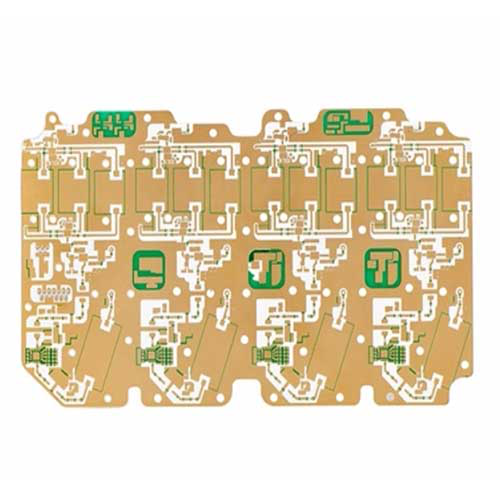
Taconic RF-35: The Reliable High-Frequency Laminate Powering Advanced RF and Microwave PCB Solutions

Taconic RF-35 High-Performance Laminates for Precision RF & Microwave PCB Design In the demanding fields of RF and microwave electronics, every decibel counts. That’s why KKPCB partners with leading material suppliers like Taconic to provide high-performance laminates such as RF-35. This material combines consistency, precision, and low loss to enable next-generation signal performance. Taconic RF-35...

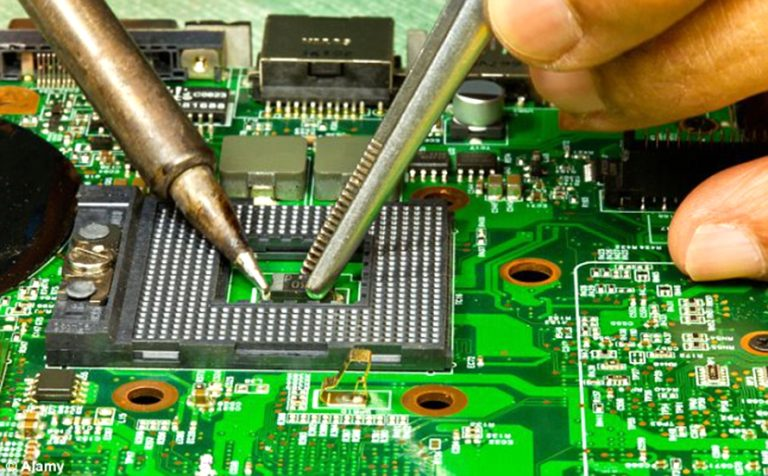
BGA Assembly: Beginner’s Guide to Ball Grid Array Assembly

Why BGA Assembly Is Critical in Modern PCB Design As electronic devices move toward miniaturization, high-speed performance, and high pin-count integration, the Ball Grid Array (BGA) assembly has become a mainstream packaging technology in: Microprocessors (CPU/GPU) FPGAs High-speed communication ICs Memory devices (DDR, LPDDR) Compared with traditional packages (QFP, SOP), BGA offers: Higher I/O density...

High-Frequency PCB: High-Speed ​​Circuits for Signal Transmission

1. Introduction: Why High-Frequency PCBs Are the Backbone of Modern Signal Transmission In today’s electronics industry, the demand for high-speed signal transmission and high-frequency communication is rapidly increasing due to the expansion of 5G/6G networks, automotive radar systems, satellite communications, and data center interconnects. At these high frequencies (GHz to mmWave range), signal behavior is...

Pros and Cons of Through-Hole PCB Assembly vs. SMT PCB Assembly

Introduction: Choosing the Right PCB Assembly Method In modern electronics manufacturing, selecting the right PCB assembly method is critical for achieving optimal performance, cost efficiency, and product reliability. The two most common methods—Through-Hole PCB Assembly (THT) and SMT PCB Assembly (Surface Mount Technology)—each offer distinct advantages and limitations. Understanding the pros and cons of Through-Hole...

Why FR4 is used in high temperature PCBs

Printed circuit boards are widely used for the functionality of electronic devices. It is an essential item for prototyping. It has many layers of different materials. There are many varieties of printed circuit boards in terms of the materials used in their manufacture. Depending on the material, the choice of material determines the properties of any...

Technology Used in Medical PCB Assembly

The intersection of healthcare and electronics requires a level of precision where failure is not an option. Medical PCB Assembly (PCBA) is governed by rigorous standards like ISO 13485, ensuring that every heartbeat monitor, imaging system, and implantable device operates with 100% reliability. As medical devices shrink in size while increasing in complexity, specialized assembly technologies have become...

How to Make Flexible and Rigid-Flex PCB Assemblies?

Rigid-flex PCB technology combines the advantages of both rigid PCBs and flexible circuits, enabling engineers to achieve compact, lightweight, and highly reliable electronic designs. Compared with traditional rigid boards, rigid-flex PCBs provide greater design freedom by allowing three-dimensional assembly, reducing connector usage, and improving mechanical reliability in applications with limited space. As electronic products continue...

What is a High Frequency PCB?

Introduction: Why High Frequency PCB Matters As modern electronics continue to evolve toward high-speed communication and high-frequency signal transmission, the demand for High Frequency PCBs has grown significantly. Applications such as 5G communication, radar systems, and satellite technology require circuit boards that can handle high-frequency signals with minimal signal loss and excellent signal integrity. Understanding...