HomeAuthor

kkpcba-辛迪 - KKPCB - Page 13 sur 61

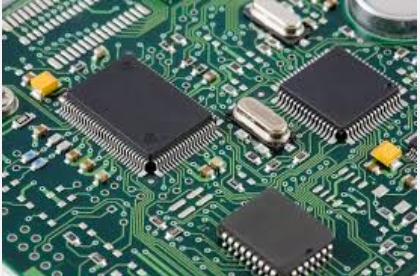
Innovative printing solutions for front-end RF module packaging

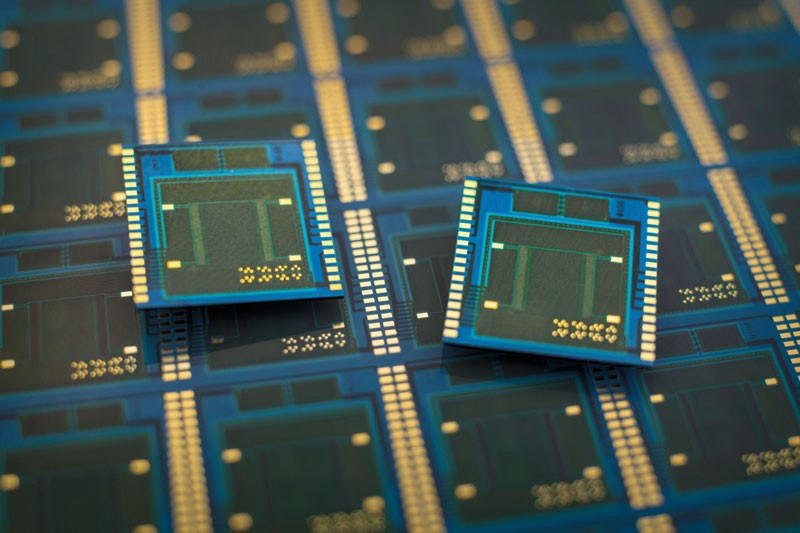
With the rapid development of 5G communication, IoT devices, satellite communication, and advanced wireless systems, RF front-end (RFFE) modules are becoming increasingly compact while requiring higher performance, lower signal loss, and improved reliability. The RF front-end module integrates critical components such as: Power amplifiers (PA) Low-noise amplifiers (LNA) Filters Switches Duplexers Antenna tuning circuits As...
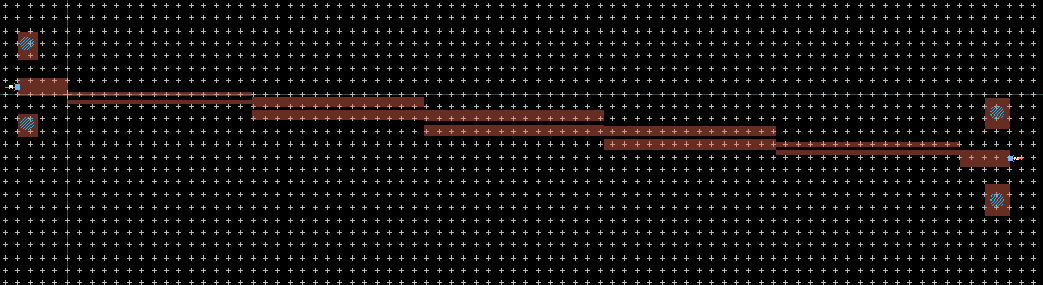
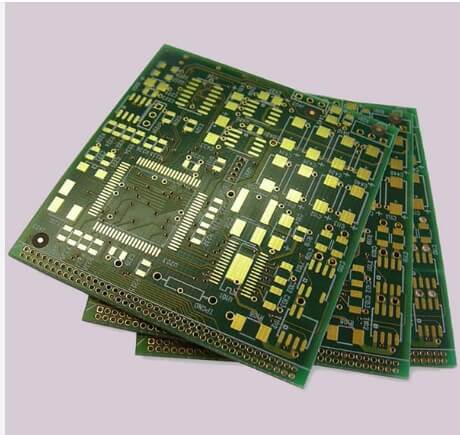
Design concept using multi-layer circuit structure to optimize RF performance

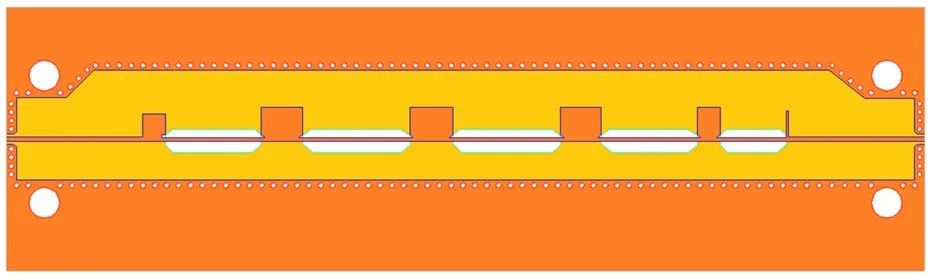
Miniaturization of electronic designs is a driving force behind the widespread use of multilayer printed circuit boards. Multilayer circuits occupy more vertical space than horizontal space, allowing designs to be stacked in a compact space. The number of layers in a circuit refers to the number of conductor layers in the circuit, usually separated by dielectric layers....

Choose the right PCB surface treatment for longer service life

Circuit materials rely on high-quality conductors and dielectric materials to connect modern complex components to each other for optimal performance. However, these PCB copper conductors, whether DC or millimeter wave (mmWave) PCB boards, need protection against aging and oxidation. This protection can be achieved in the form of electrolytic and immersion coatings. They usually provide different degrees of...

Importance of Circuit Pattern Accuracy in Millimeter Wave Circuits

Engineering Context Millimeter wave (mmWave) technology has become a fundamental building block for next-generation wireless communication, automotive radar, satellite payloads, and high-speed sensing systems. Operating between approximately 24 GHz and 110 GHz, mmWave circuits provide significantly larger bandwidth and higher data throughput than conventional microwave systems. However, these advantages come with much tighter manufacturing tolerances....

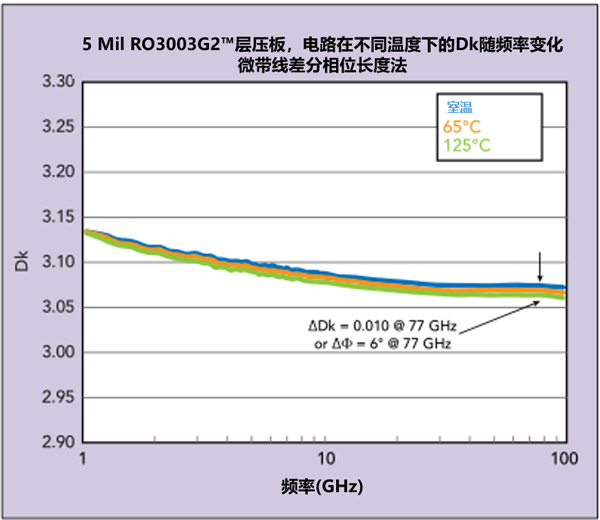
Measuring Dk Temperature Changes in PCB Circuit Materials

As wireless communication, automotive radar, and high-speed electronic systems continue to advance, high-frequency PCB materials must maintain stable electrical performance under changing operating temperatures. At millimeter-wave frequencies, even small variations in PCB material properties can introduce: Impedance deviation Phase shift Increased insertion loss Signal degradation For applications such as 5G communication systems, 77 GHz automotive...

EMI Solution in Multilayer PCB Design

There are many ways to solve the EMI problem. Modern EMI suppression methods include: using EMI suppression coatings, selecting appropriate EMI suppression components and EMI simulation design, etc. This article starts with the most basic PCB layout and discusses the role and design techniques of PCB layer stacking in controlling EMI radiation. Power Bus Reasonably placing a...

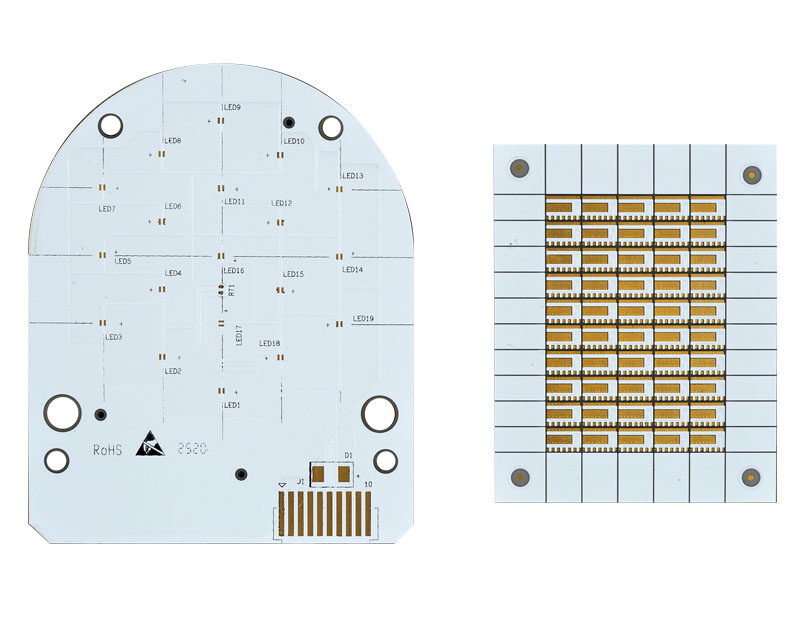
Talk about high-frequency microwave printed circuit boards and aluminum substrates

In the past two or three years, the most fashionable technologies and products in our industry are HDI (high density interconnection) and Build-up Multilayer (build-up printed circuit board). However, in the development trend of market economy and high-tech products, there is another branch, which is high-frequency microwave printed circuit boards and metal-based printed circuit boards. Today, I will...

Semiconductor Manufacturing Process – Steps, Technology, Flow Chart

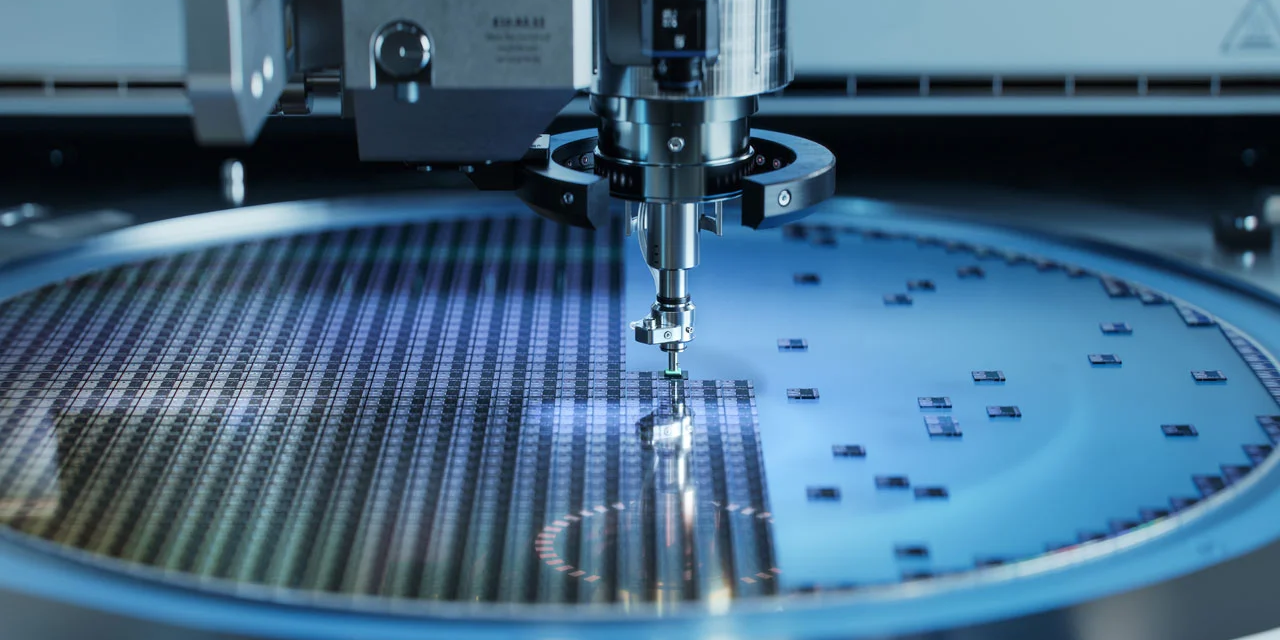
Semiconductors are the foundation of modern electronic systems, powering everything from smartphones and industrial automation equipment to automotive electronics, medical devices, AI servers, and communication infrastructure. Behind every integrated circuit (IC) is a highly sophisticated manufacturing process that combines advanced materials science, precision engineering, and nanometer-scale fabrication technologies. The semiconductor manufacturing process involves hundreds of...

Flexible Printed Circuit Boards

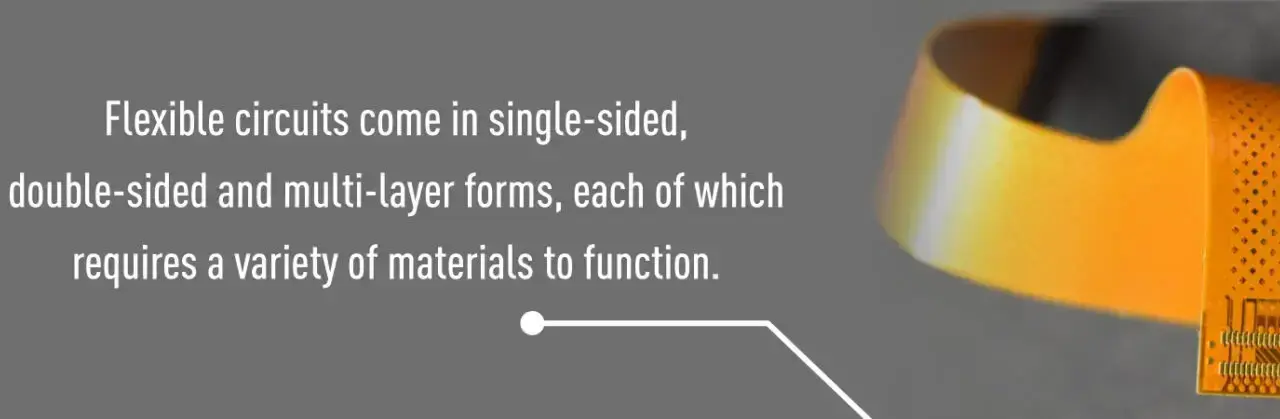
Flex PCB Benefits There are some pretty amazing benefits to using flexible PCBs. Some of the advantages of flexible PCBs include the following: Reduced Space and Weight: Most of the advantages associated with flexible PCBs come from their low volume and weight. In fact, using a flexible PCB instead of a rigid PCB can result in a space reduction...