HomeCategory

PCB Materials | FR-4, High-Frequency, Low-Loss & Heavy Copper - KKPCB

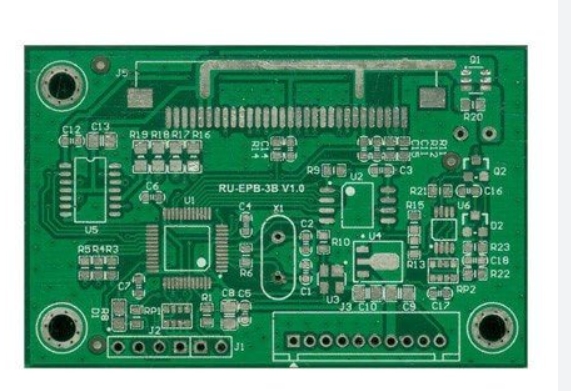
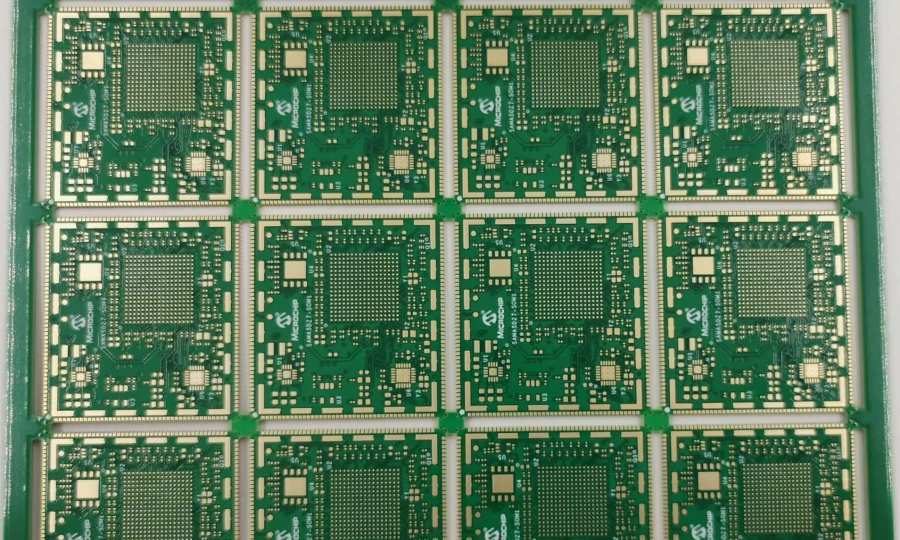
PCB Production Process: Subtractive and Additive Methods

Printed Circuit Boards (PCBs) are the foundation of modern electronic products, providing electrical connections and mechanical support for components. From consumer electronics and automotive systems to communication equipment and semiconductor applications, PCB manufacturing technology directly influences product performance, reliability, and production efficiency. During PCB fabrication, conductive patterns are created through different manufacturing approaches. The two...
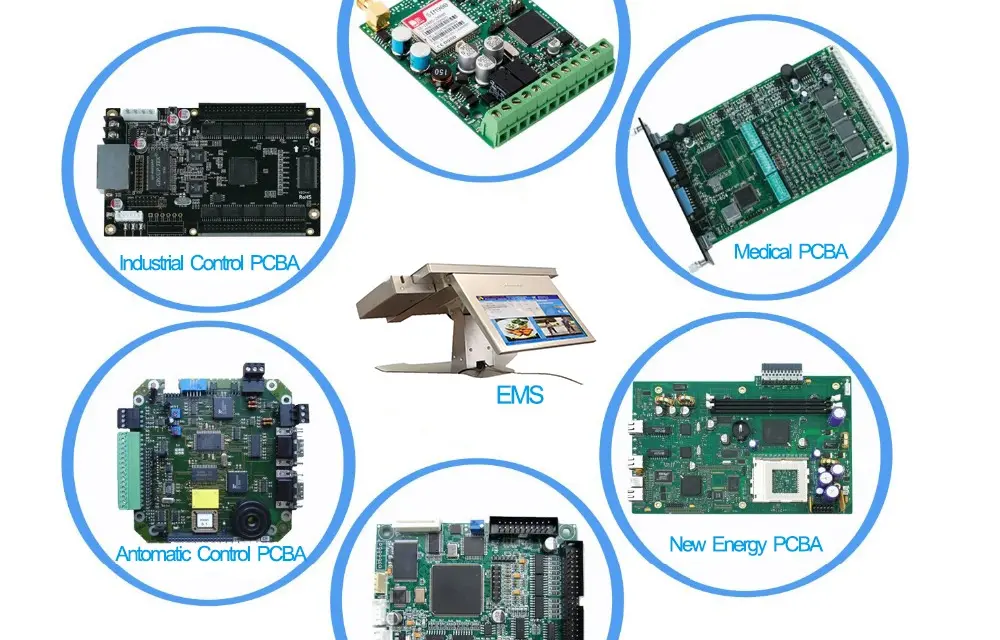
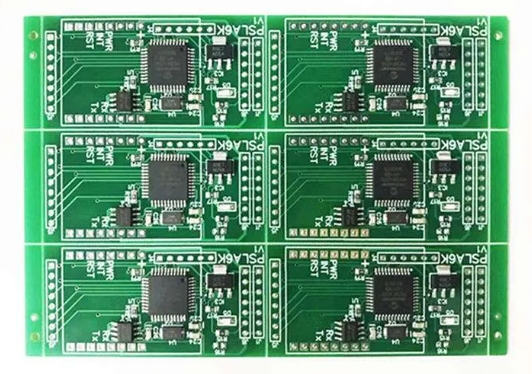
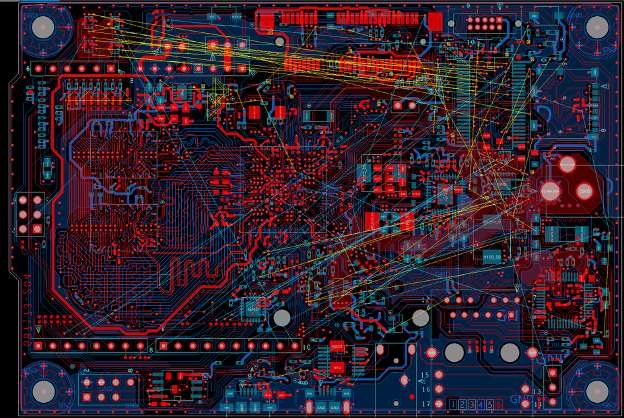
Printed Circuit Board from design to production

In modern electronic systems, the Printed Circuit Board (PCB) serves as the foundation that connects and supports electronic components. From consumer electronics and communication equipment to automotive systems and medical devices, PCBs play a critical role in ensuring stable electrical performance, mechanical reliability, and long-term product functionality. A successful PCB requires more than just connecting...

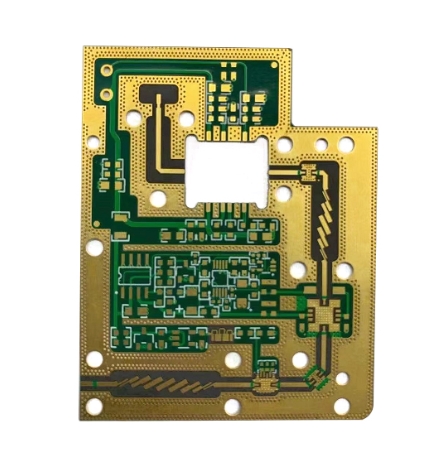
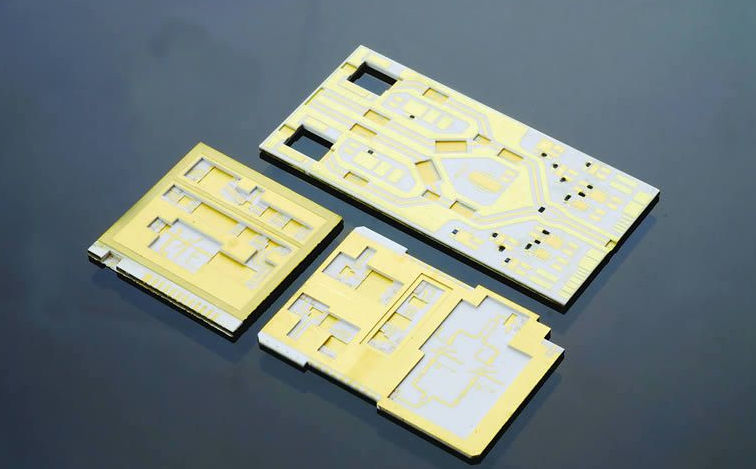
How to Design RF Circuits and PCB Layouts

With the rapid development of wireless communication, radar systems, IoT devices, automotive electronics, and high-speed electronic products, RF (Radio Frequency) circuit design has become increasingly important. Compared with conventional PCB designs, RF PCB design involves more complex challenges related to signal integrity, impedance control, electromagnetic interference (EMI), and material selection. At high frequencies, even small...

Characteristics of RF Interfaces and RF Circuits in PCB Design

Understanding RF PCB Design in Modern High-Frequency Electronics As wireless communication technology rapidly advances toward: 5G and 6G communication millimeter-wave systems satellite communication automotive radar IoT wireless networks aerospace RF systems the importance of advanced RF PCB design has become increasingly critical. Unlike conventional digital PCB systems, RF circuits in PCB design operate at: high...

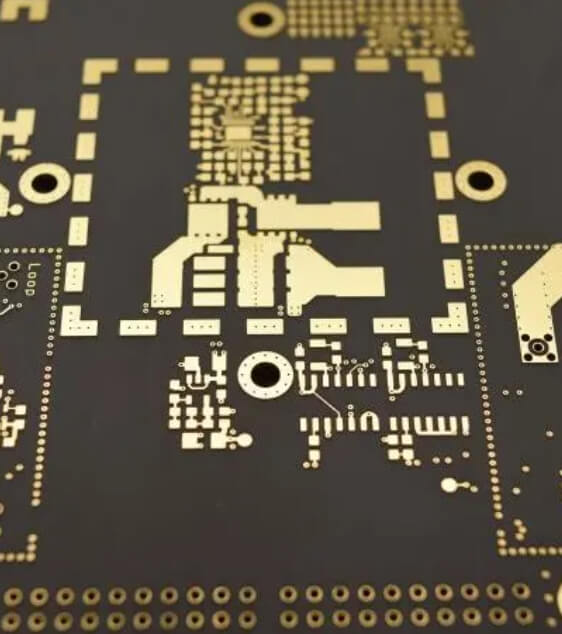
High-Frequency Circuit Design Solution Based on RT/duroid® 6010.2LM Material for Miniaturization

Discover the advantages of RT/duroid® 6010.2LM high-frequency PCB material for compact RF and microwave circuit designs. With a high dielectric constant (Dk 10.7), low loss tangent (0.0026 @10 GHz), excellent thermal stability, and superior mechanical properties, KKPCB helps you achieve miniaturized circuits with high signal integrity for 5G, satellite communications, and high-density PCBs.

High-Speed PCB Copy Board and Design Strategy

With the rapid development of high-speed communication, computing, and advanced electronic systems, PCB designs are required to support increasingly higher data rates while maintaining signal integrity, power stability, and electromagnetic compatibility. At high frequencies, traditional PCB design methods are no longer sufficient. Factors such as impedance variation, signal reflection, crosstalk, dielectric loss, and electromagnetic interference...

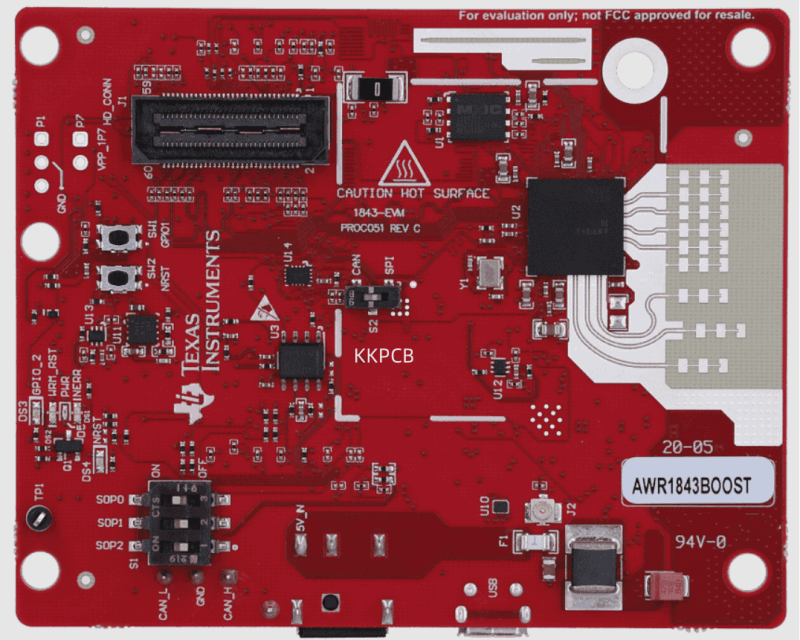
RO4830™ Material: Driving the Popularization of Millimeter-Wave Radar in Automotive Active Safety Systems

RO4830™ is a hydrocarbon resin-based high-frequency laminate designed for 77 GHz automotive radar, 60 GHz traffic radar, and industrial applications. Low-loss, reliable, and cost-effective, it ensures excellent electrical performance, thermal stability, and precise manufacturability for high-frequency PCB designs.

Experience Sharing in Multi-Layer PCB Impedance Line Routing

With the continuous development of high-speed electronic systems, PCB design is facing increasingly demanding requirements for signal transmission performance. In applications such as communication equipment, industrial control systems, automotive electronics, semiconductor testing equipment, and RF systems, maintaining stable signal quality has become a key factor affecting product reliability. In multilayer PCB design, impedance-controlled routing is...

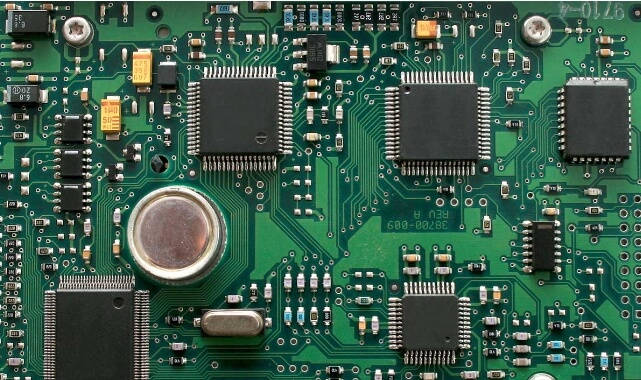
Basic Knowledge You Need to Master for PCB Design

PCB (Printed Circuit Board) design is a fundamental process in electronic product development. A well-designed PCB not only provides electrical connections between components but also directly affects: Signal integrity Power stability Electromagnetic compatibility (EMC) Thermal performance Manufacturing reliability With the increasing complexity of modern electronic systems, PCB design is no longer limited to simple component...

Classification and Advantages/Disadvantages of LTCC

With the continuous development of high-frequency communication, semiconductor packaging, miniaturized electronic devices, and advanced sensor systems, traditional PCB technologies are facing increasing challenges in applications requiring compact integration, high reliability, and excellent electrical performance. LTCC (Low Temperature Co-fired Ceramic) technology has become an important solution for high-performance electronic components due to its advantages in three-dimensional...