
PCB assembly (PCBA) is a critical stage that transforms bare printed circuit boards into functional electronic products. Among various assembly technologies, Surface Mount Technology (SMT) and Through-Hole Technology (THT) remain the two fundamental processes widely used across different industries.
With increasing product complexity and reliability requirements, modern electronic manufacturing often combines SMT and THT processes within the same assembly project. While SMT enables high-density and automated assembly, THT continues to provide advantages in mechanical strength and high-current applications.
Understanding the characteristics, process requirements, and optimization methods of SMT and THT assembly helps engineers improve product quality, manufacturing efficiency, and production reliability.
1. Overview of SMT Assembly Process
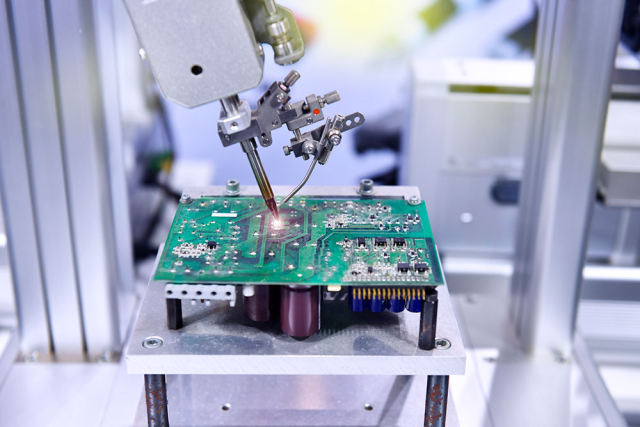
Surface Mount Technology (SMT) is an assembly method where electronic components are mounted directly onto the surface of PCB pads without requiring drilled holes.
SMT is widely adopted for:
- Compact electronic devices
- High-density circuit boards
- Consumer electronics
- Communication equipment
- Industrial control systems
1.1 Key Steps in SMT Assembly
Solder Paste Printing
The SMT process begins with applying solder paste onto PCB pads using a stencil.
The quality of solder paste printing directly affects:
- Solder joint reliability
- Component placement accuracy
- Production yield
Important factors include:
- Stencil thickness
- Paste viscosity
- Printing pressure
- Alignment accuracy
Component Placement
High-speed placement machines accurately position components onto solder paste areas.
Considerations include:
- Component orientation
- Placement accuracy
- Package size compatibility
Common SMT components include:
- Resistors
- Capacitors
- ICs
- BGA packages
- QFN components
Reflow Soldering
During reflow soldering, the PCB passes through a controlled temperature profile to melt solder paste and form reliable solder joints.
A proper reflow profile controls:
- Heating rate
- Peak temperature
- Cooling speed
Incorrect profiles may cause:
- Cold solder joints
- Component damage
- Solder voids
Inspection and Testing
After SMT assembly, inspection methods are used to verify quality.
Common inspection technologies include:
AOI (Automated Optical Inspection)
Used to detect:
- Missing components
- Incorrect placement
- Solder defects
X-Ray Inspection
Used for hidden solder joints such as:
- BGA
- QFN
- Bottom-terminated components
2. Overview of THT Assembly Process
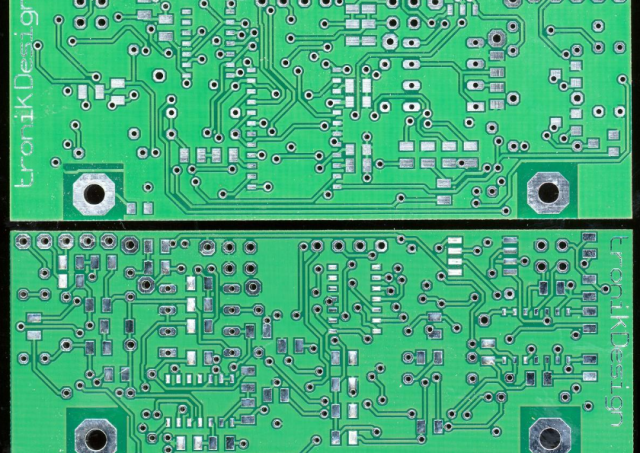
Through-Hole Technology (THT) uses component leads inserted through drilled PCB holes and soldered on the opposite side.
Although SMT dominates many modern applications, THT remains important for components requiring strong mechanical connections.
Common THT applications include:
- Power electronics
- Industrial equipment
- Connectors
- High-current components
2.1 Key Steps in THT Assembly
Component Insertion
Components are inserted into PCB through-holes manually or automatically.
Important considerations include:
- Lead forming requirements
- Component orientation
- Mechanical positioning
Wave Soldering
Wave soldering is commonly used for THT assembly.
The PCB passes over a wave of molten solder, creating electrical connections between component leads and PCB pads.
Process control factors include:
- Solder temperature
- Conveyor speed
- Flux application
- Preheating conditions
Manual Soldering and Rework
Some complex components or low-volume products may require manual soldering.
Typical cases include:
- Large connectors
- Special components
- Prototype production
3. Differences Between SMT and THT Assembly
| Feature | SMT Assembly | THT Assembly |
|---|---|---|
| Component Mounting | Surface mounted | Through-hole mounted |
| Assembly Density | High | Lower |
| Automation Level | Highly automated | Partially automated |
| Mechanical Strength | Moderate | Excellent |
| Production Speed | Faster | Slower |
| Application | Compact electronics | High-power and mechanical applications |
Both technologies have their own advantages depending on product requirements.
4. Mixed SMT and THT Assembly Challenges
Many industrial and high-reliability PCBAs require both SMT and THT components.
A typical mixed assembly sequence may involve:
- SMT component placement
- Reflow soldering
- THT component insertion
- Wave soldering or selective soldering
- Inspection and testing
However, mixed assembly introduces additional manufacturing challenges.
4.1 Component Clearance Management
Large THT components may interfere with SMT placement or soldering processes.
Engineers should consider:
- Component height
- Spacing requirements
- Assembly accessibility
4.2 Soldering Process Optimization
Different components may require different soldering conditions.
Challenges include:
- Thermal stress
- Solder bridging
- Insufficient solder penetration
Proper process planning helps maintain assembly quality.
4.3 PCB Layout Considerations
PCB layout should support both SMT and THT requirements.
Important factors include:
- Pad design
- Hole size
- Component placement
- Solder mask opening
5. Design Considerations for SMT and THT Manufacturing
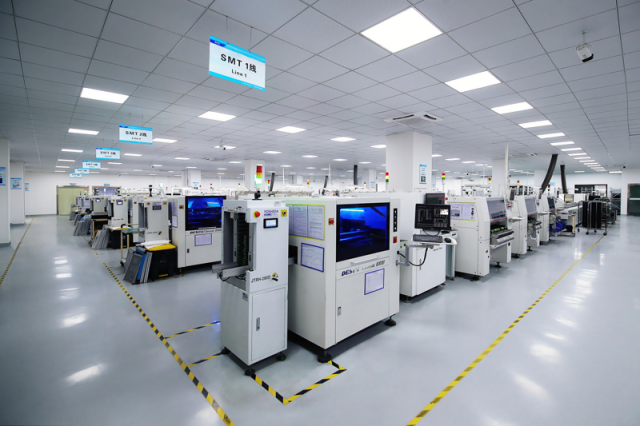
5.1 Design for Manufacturing (DFM)
Early DFM review helps identify potential assembly issues.
Common checks include:
- Component spacing
- Pad geometry
- Assembly sequence
- Test accessibility
5.2 Thermal Management
Power components require careful thermal consideration.
Design methods include:
- Larger copper areas
- Thermal vias
- Optimized component placement
5.3 Inspection and Testing Design
PCB designers should consider production testing requirements.
Recommended features include:
- Test points
- Programming interfaces
- Inspection access areas
6. Improving SMT and THT Assembly Reliability
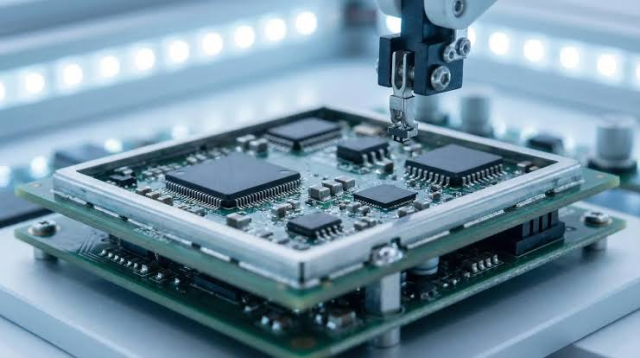
Process Control
Stable manufacturing processes help improve:
- First-pass yield
- Product consistency
- Long-term reliability
Component Management
Reliable assembly requires:
- Correct component sourcing
- Package verification
- Supply chain control
Manufacturing Data Accuracy
Accurate production files are essential, including:
- Gerber files
- BOM
- Pick-and-place files
- Assembly drawings
Complete documentation reduces production risks.
7. Application Examples
Consumer Electronics
SMT is widely used due to:
- Miniaturization requirements
- High production volume
- Compact designs
Industrial Control Systems
Mixed SMT and THT assembly is common due to:
- Connectors
- Relays
- High-power components
Automotive Electronics
Automotive PCBAs require:
- Mechanical reliability
- Thermal stability
- High production consistency
Conclusion
SMT and THT assembly processes are fundamental technologies in modern PCB manufacturing.
SMT provides advantages in miniaturization, automation, and high-density integration, while THT offers excellent mechanical strength and reliability for larger and high-power components.
For complex PCB assembly projects, selecting the appropriate combination of SMT and THT processes requires careful consideration of product requirements, PCB design, manufacturing capability, and reliability expectations.
Through optimized design, DFM analysis, and strict process control, manufacturers can improve assembly quality, reduce production risks, and achieve reliable PCBA performance from prototype development to mass production.
