
With the rapid development of electronic products toward higher performance, miniaturization, higher reliability, and specialized operating environments, traditional FR-4 PCBs are no longer sufficient for all applications.
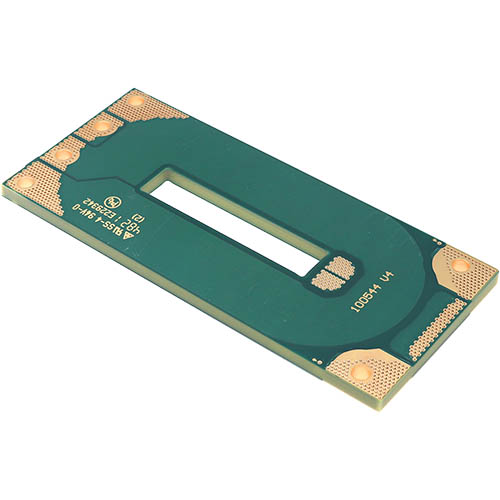
Special PCBs are developed to meet specific requirements such as:
- High-frequency signal transmission
- High thermal conductivity
- Flexible installation
- Extreme environmental reliability
- High-density interconnection
- High-power operation
Compared with conventional rigid PCBs, special PCBs use advanced materials, unique structures, or specialized manufacturing processes to achieve improved electrical, thermal, and mechanical performance.
Common types of special PCBs include:
- High-frequency PCBs
- Metal core PCBs
- Ceramic PCBs
- Flexible PCBs
- Rigid-flex PCBs
- HDI PCBs
- Heavy copper PCBs
- High-temperature PCBs
This article introduces the major types of special PCBs and their typical applications.
1. High-Frequency PCB
Definition
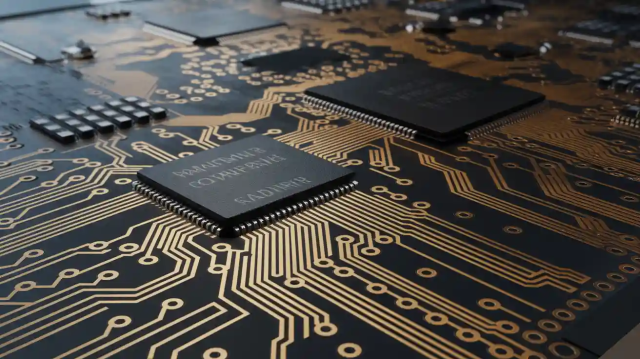
High-frequency PCBs are designed for circuits operating at high frequencies where signal loss, impedance stability, and electromagnetic performance are critical.
Unlike standard FR-4 materials, high-frequency PCBs typically use specialized substrates such as:
- PTFE materials
- Rogers laminates
- Low-loss dielectric materials
Key Characteristics
High-frequency PCBs provide:
- Low dielectric loss
- Stable dielectric constant
- Controlled impedance
- Reduced signal attenuation
Important parameters include:
- Dielectric constant (Dk)
- Dissipation factor (Df)
- Phase stability
- Insertion loss
Applications
High-frequency PCBs are widely used in:
RF Communication Equipment
Examples:
- Base stations
- Wireless communication modules
- Antenna systems
Radar Systems
Applications:
- Automotive radar
- Defense radar
- Industrial sensing systems
Requirements:
- Low signal loss
- Precise impedance control
Microwave Electronics
Applications:
- Microwave circuits
- Satellite communication equipment
2. Metal Core PCB (MCPCB)
Definition
Metal Core PCBs use a metal substrate, commonly:
- Aluminum
- Copper
instead of traditional FR-4 to improve heat dissipation.
Key Characteristics
Advantages include:
- Excellent thermal conductivity
- Improved heat dissipation
- Better mechanical strength
Applications
LED Lighting
Used in:
- High-power LED modules
- Automotive lighting
Power Electronics
Applications:
- Power converters
- Motor controllers
- Power supply systems
Automotive Electronics
Requirements:
- Thermal reliability
- Long operating life
3. Ceramic PCB
Definition
Ceramic PCBs use ceramic materials as the substrate, such as:
- Alumina (Al₂O₃)
- Aluminum nitride (AlN)
- Silicon carbide (SiC)
Key Characteristics
Ceramic PCBs provide:
- Excellent thermal conductivity
- High-temperature resistance
- Low thermal expansion
- High electrical insulation
Applications
Semiconductor Packaging
Examples:
- Power modules
- Chip carriers
High-Power Electronics
Applications:
- IGBT modules
- SiC power devices
Aerospace and Defense Electronics
Requirements:
- Extreme reliability
- Thermal stability
4. Flexible PCB (FPC)
Definition
Flexible PCBs use flexible materials such as:
- Polyimide film
- Flexible copper layers
They can bend and fit into compact structures.
Key Characteristics
Advantages include:
- Lightweight
- Thin structure
- Flexible installation
- Reduced wiring space
Applications
Consumer Electronics
Examples:
- Smartphones
- Wearable devices
- Cameras
Medical Devices
Applications:
- Wearable monitoring equipment
- Portable medical instruments
Automotive Electronics
Examples:
- Display modules
- Sensor connections
5. Rigid-Flex PCB
Definition
Rigid-flex PCBs combine:
- Rigid PCB sections
- Flexible PCB sections
into a single integrated board.
Key Characteristics
Benefits include:
- Reduced connectors
- Improved reliability
- Space saving
- Better mechanical integration
Applications
Aerospace Electronics
Examples:
- Avionics systems
- Space electronics
Requirements:
- High reliability
- Vibration resistance
Medical Electronics
Applications:
- Implantable devices
- Portable medical equipment
Advanced Industrial Equipment
Applications:
- Compact control systems
6. HDI PCB (High Density Interconnect PCB)
Definition
HDI PCBs use advanced interconnection technologies to achieve higher wiring density.
Common technologies include:
- Microvias
- Blind vias
- Buried vias
- Fine-line routing
Key Characteristics
Advantages:
- Smaller size
- Higher component density
- Improved electrical performance
Applications
Smartphones and Consumer Electronics
Requirements:
- Miniaturization
- High integration
Semiconductor Equipment
Applications:
- Test boards
- High-density interface boards
Communication Systems
Applications:
- High-speed networking equipment
7. Heavy Copper PCB
Definition
Heavy copper PCBs use thicker copper layers to support high current applications.
Typical copper thickness is significantly higher than standard PCBs.
Key Characteristics
Advantages:
- High current carrying capability
- Improved thermal performance
- Enhanced mechanical strength
Applications
Power Electronics
Examples:
- Power converters
- Inverters
Electric Vehicles
Applications:
- Battery management systems
- Power control modules
Industrial Equipment
Applications:
- High-current control systems
8. High-Temperature PCB
Definition
High-temperature PCBs are designed to operate reliably under elevated temperatures.
They may use:
- High-Tg FR-4
- Ceramic materials
- Special resin systems
Key Characteristics
Advantages:
- Improved thermal stability
- Reduced material degradation
- Better reliability under thermal cycling
Applications
Automotive Electronics
Examples:
- Engine control systems
- Battery systems
Industrial Equipment
Applications:
- High-temperature controllers
- Automation systems
Aerospace Systems
Requirements:
- Long-term reliability
- Environmental resistance
9. Semiconductor Test PCB (ATE Load Board)
Definition
ATE (Automatic Test Equipment) load boards are specialized PCBs used for semiconductor testing.
They require extremely precise electrical performance.
Key Characteristics
Important requirements include:
- High-speed signal integrity
- Precise impedance control
- Fine-pitch interconnect capability
- Excellent reliability
Applications
Used in:
- IC testing
- Semiconductor production testing
- Chip validation systems
10. RF Microwave PCB
Definition
RF microwave PCBs are designed specifically for high-frequency applications, often operating from MHz to GHz ranges.
Key Characteristics
Required performance includes:
- Low insertion loss
- Stable phase characteristics
- Controlled impedance
- Excellent EMI performance
Applications
- Radar systems
- Satellite communication
- Wireless communication equipment
- Microwave modules
11. Comparison of Different Special PCBs
| PCB Type | Main Advantage | Typical Applications |
|---|---|---|
| High-Frequency PCB | Low signal loss | RF, radar, communication |
| Metal Core PCB | Heat dissipation | LED, power electronics |
| Ceramic PCB | High thermal reliability | Semiconductor, power modules |
| Flexible PCB | Flexible installation | Wearables, mobile devices |
| Rigid-Flex PCB | Mechanical integration | Aerospace, medical |
| HDI PCB | High density | Smartphones, advanced electronics |
| Heavy Copper PCB | High current capability | Power systems, EV |
| High-Temperature PCB | Thermal stability | Automotive, industrial |
| ATE Load Board PCB | Precision testing | Semiconductor industry |
12. How to Select the Right Special PCB
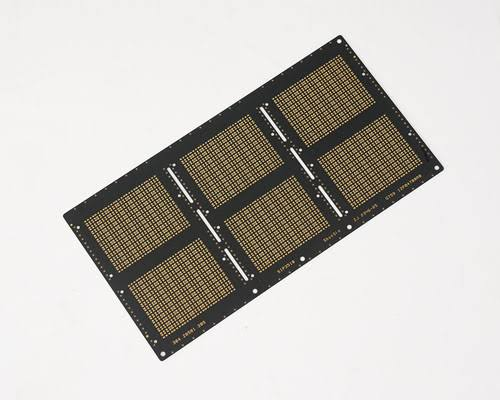
Choosing the appropriate PCB type depends on several factors:
Electrical Requirements
Consider:
- Signal frequency
- Impedance requirements
- Signal loss
- Power consumption
Thermal Requirements
Evaluate:
- Operating temperature
- Heat generation
- Cooling conditions
Mechanical Requirements
Consider:
- Space limitations
- Flexibility requirements
- Vibration environment
Manufacturing Requirements
Evaluate:
- Layer count
- Material availability
- Production capability
- Reliability testing requirements
Conclusion
Special PCBs provide customized solutions for advanced electronic systems where traditional PCB technologies cannot meet performance requirements.
Different PCB types address different challenges:
- High-frequency PCBs improve signal transmission
- Metal core PCBs enhance heat dissipation
- Ceramic PCBs support extreme thermal environments
- Flexible and rigid-flex PCBs enable compact designs
- HDI PCBs achieve high-density integration
- Heavy copper PCBs support high-current applications
As industries such as automotive electronics, aerospace, communication systems, semiconductor equipment, and power electronics continue to evolve, special PCB technologies will remain essential for developing more reliable and high-performance electronic products.
