HomeTag

multilayer PCB - KKPCB

Advantages and Disadvantages of Multilayer PCBs

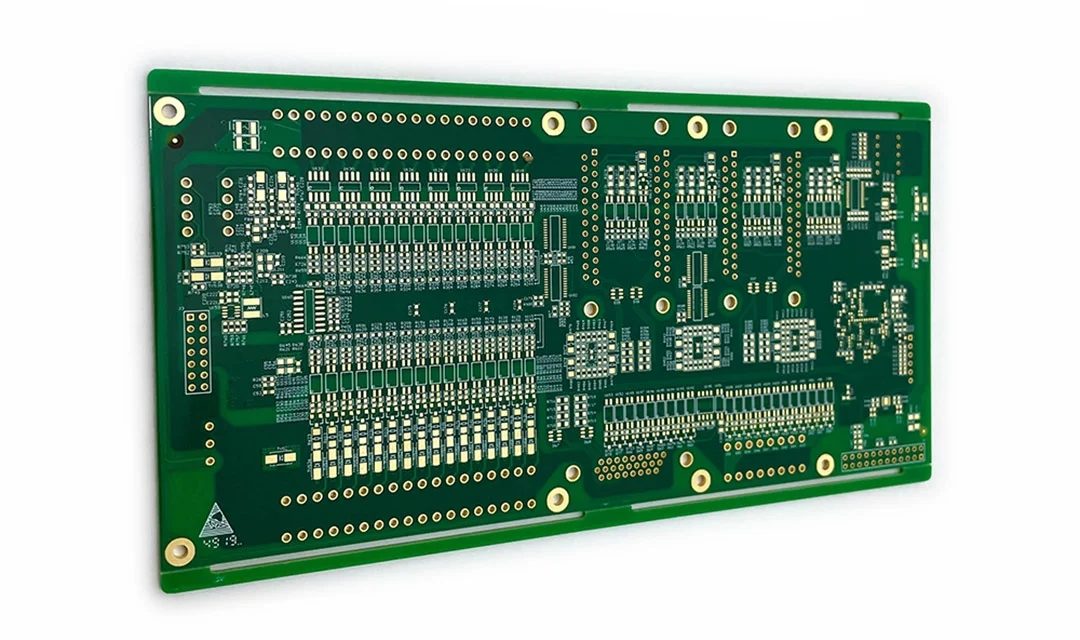
With the continuous development of electronic products toward higher performance, smaller size, and greater functional integration, traditional single-layer and double-layer PCBs can no longer satisfy the requirements of many advanced applications. A multilayer PCB is a circuit board composed of multiple conductive copper layers laminated together with insulating dielectric materials. By increasing the number of...
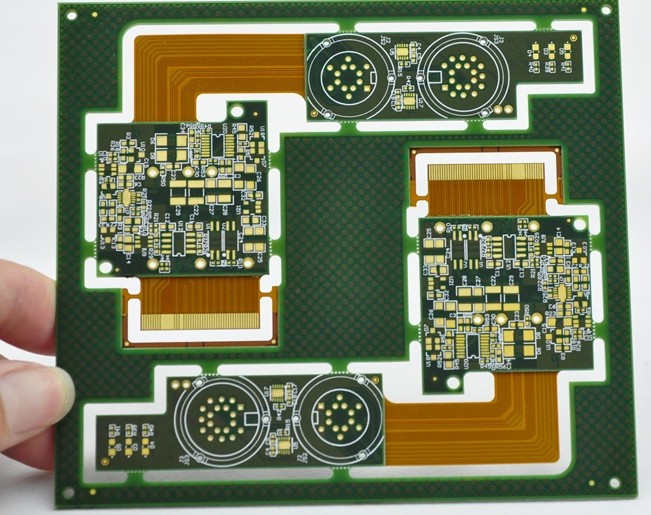
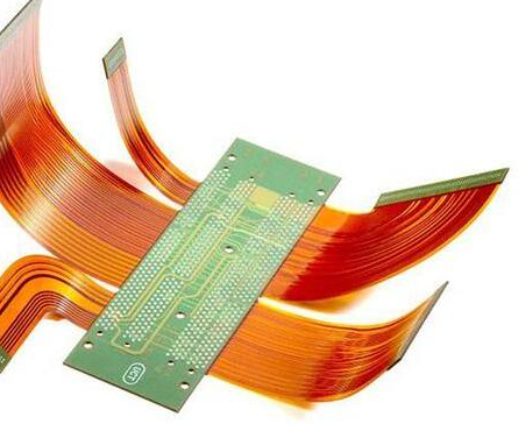
Rigid-Flex PCBs: Features, Benefits and Challenges

Introduction: The Rise of Rigid-Flex PCB Technology As modern electronics continue to evolve toward miniaturization, high reliability, and complex system integration, Rigid-Flex PCBs have become a key solution in advanced PCB design and manufacturing. By combining the strengths of rigid PCBs and flexible PCBs, Rigid-Flex PCB technology enables innovative product designs that are both compact...

Rigid-Flex PCB Design: Revolutionizing Modern Electronics

With electronic products becoming increasingly compact, lightweight, and functionally integrated, traditional rigid PCBs and flexible PCBs are facing new design limitations. Modern applications such as wearable devices, medical equipment, aerospace systems, automotive electronics, and industrial equipment require circuit solutions that can withstand mechanical movement while maintaining high electrical reliability. Rigid-flex PCB technology combines the advantages...

PCB Resistors and Board Design

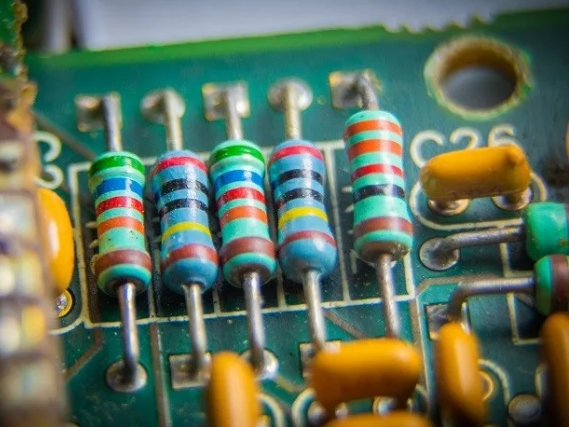
In modern electronics, PCB resistors play a vital role in ensuring circuit stability, signal control, and power regulation. Whether in rigid circuit boards, multilayer PCBs, or advanced PCBA designs, proper resistor selection and placement are crucial for achieving optimal performance. Understanding how resistors in PCB design interact with layout and signal behavior is key to...

PCB Design for the 6-Layer Board Stackup

As electronic products continue to move toward higher integration, faster signal transmission, and smaller form factors, multilayer PCB technology has become essential for modern electronic design. Among various multilayer structures, the 6-layer PCB stackup is one of the most commonly used configurations because it provides a good balance between routing capability, signal integrity, power distribution,...

Understanding and Improving PCB Open Circuits: Causes and Solutions

Why PCB Open Circuits Matter In PCB manufacturing and PCB assembly, PCB open circuits are one of the most common and critical defects affecting electrical performance and product reliability. An open circuit occurs when an electrical path is unintentionally broken, preventing current from flowing through the circuit. For industries requiring high reliability—such as automotive electronics,...

Mobile Phone PCB Layout: Key Considerations and Wiring Best Practices

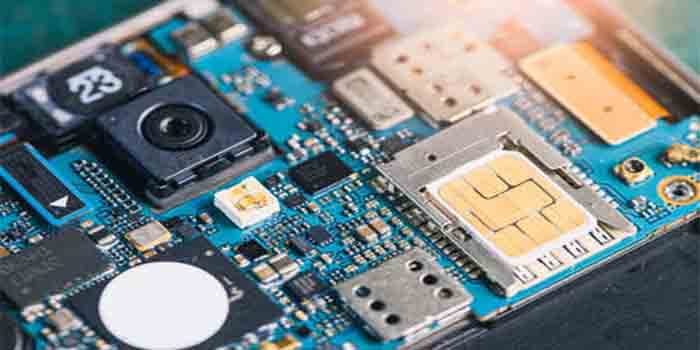
With the continuous evolution of smartphones toward thinner designs, higher computing performance, faster communication speeds, and more integrated functions, mobile phone PCB layout has become increasingly challenging. Unlike traditional electronic devices, smartphone PCBs must support multiple high-performance functions within extremely limited space, including: High-speed processors RF communication modules Power management systems High-resolution displays Camera interfaces...

Industrial PCB Production

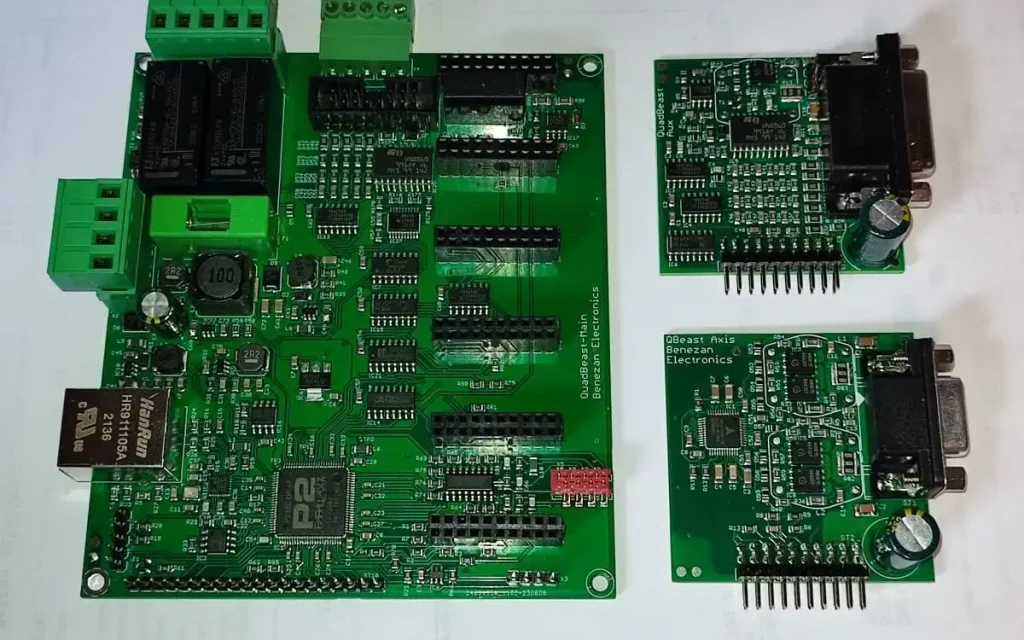
Industrial PCB Production In today’s rapidly evolving industrial landscape, Printed Circuit Boards (PCBs) serve as the critical backbone of automation systems, control equipment, heavy machinery, robotics, and smart manufacturing solutions. Industrial PCB production demands far higher standards than consumer electronics. Boards must deliver exceptional reliability, durability under extreme conditions (vibration, temperature fluctuations, humidity, and dust),...

What is PCB warpage?

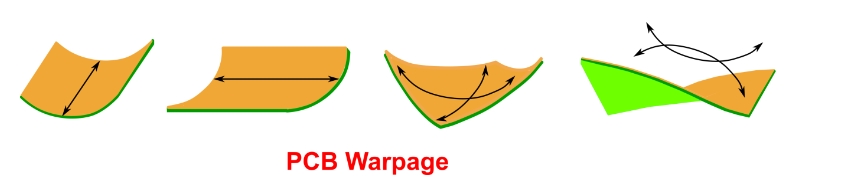
What is PCB Warpage? PCB warpage refers to the unwanted bending, twisting, or deformation of a printed circuit board from its intended flat shape. Ideally, a PCB should maintain a flat and stable surface throughout fabrication, assembly, and operation. However, differences in material properties, thermal expansion, copper distribution, and manufacturing processes can cause the PCB...