
Why PCB Open Circuits Matter
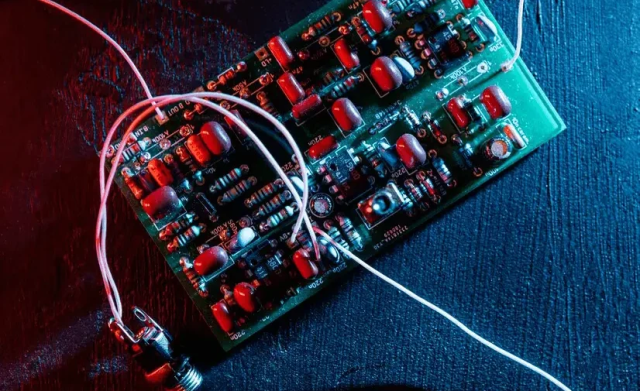
In PCB manufacturing and PCB assembly, PCB open circuits are one of the most common and critical defects affecting electrical performance and product reliability. An open circuit occurs when an electrical path is unintentionally broken, preventing current from flowing through the circuit.
For industries requiring high reliability—such as automotive electronics, industrial automation, and communication systems—eliminating PCB open circuit defects is essential to ensure stable and long-lasting performance.
What Is a PCB Open Circuit?
A PCB open circuit refers to a discontinuity in a conductive path on a printed circuit board, resulting in failure of electrical connectivity. This defect can occur at various stages of PCB fabrication or PCB assembly, including etching, drilling, plating, or soldering.
Common Causes of PCB Open Circuits
Understanding the root causes of PCB open circuits is the first step toward prevention.
1. Etching Defects
Improper etching processes can lead to:
- Over-etching that removes copper traces
- Incomplete trace formation
- Broken conductive paths
2. Drilling and Via Issues
Defects during drilling can cause:
- Misaligned or missing vias
- Poor via wall plating
- Cracks in plated holes
3. Poor Copper Plating
Insufficient or uneven copper plating may result in:
- Weak conductive layers
- Breaks in via connections
- Reduced electrical continuity
4. Soldering Defects in Assembly
During PCB assembly, open circuits may occur due to:
- Cold solder joints
- Insufficient solder
- Component misalignment
5. Mechanical Damage
Physical stress during handling or operation can lead to:
- Cracked traces
- Broken solder joints
- Delamination
6. Material Quality Issues
Low-quality PCB materials may cause:
- Poor adhesion between layers
- Thermal expansion leading to cracks
- Reduced durability under stress
Detection Methods for PCB Open Circuits
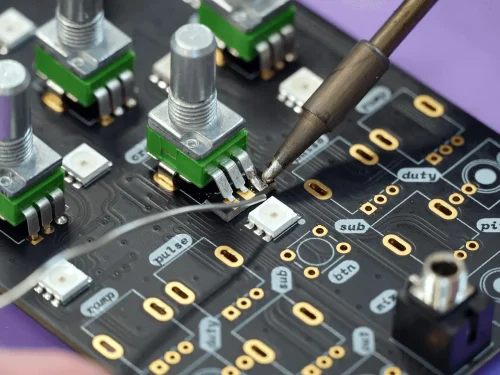
Accurate detection of PCB open circuits is essential for quality control.
1. Electrical Testing (E-Test)
Automated electrical testing checks continuity and identifies open connections in the circuit.
2. Automated Optical Inspection (AOI)
AOI systems detect visible defects such as broken traces or missing connections.
3. X-ray Inspection
Used to inspect internal layers and hidden solder joints, especially in multilayer PCBs.
4. Flying Probe Testing
Ideal for low-volume production, allowing flexible and precise continuity testing.
Solutions to Prevent PCB Open Circuits
1. Optimize PCB Design
- Ensure proper trace width and spacing
- Avoid overly thin or fragile traces
- Optimize via design and placement
2. Improve Manufacturing Process Control
- Use precise etching control
- Maintain consistent plating thickness
- Ensure accurate drilling alignment
3. Enhance Material Selection
- Choose high-quality PCB substrates
- Use materials with stable thermal properties
- Ensure good layer adhesion
4. Optimize PCB Assembly Process
- Control reflow soldering profiles
- Ensure proper solder paste application
- Implement strict process inspection
5. Strengthen Quality Control Systems
- Implement multi-stage inspection
- Use AOI, X-ray, and electrical testing
- Perform reliability testing (thermal cycling, vibration)
Best Practices for Improving PCB Reliability
To minimize PCB open circuit defects, manufacturers should:
- Follow strict DFM (Design for Manufacturability) guidelines
- Maintain high standards in PCB fabrication and assembly
- Collaborate with experienced PCB manufacturers
- Continuously monitor and improve process quality
Applications Where Open Circuit Prevention Is Critical
Preventing PCB open circuits is especially important in:
- Automotive electronics (ADAS, control systems)
- Medical devices
- Industrial automation systems
- Telecommunication equipment
- Aerospace and defense electronics
These applications demand extremely high reliability and performance.
Conclusion
PCB open circuits are a critical defect that can significantly impact product performance and system reliability. By understanding their causes and implementing effective design, manufacturing, and inspection strategies, manufacturers can greatly reduce the risk of open circuits.
Improving PCB quality control and adopting best practices ensures long-term reliability and enhances customer confidence in electronic products.
