HomeTag

Medical PCB - KKPCB

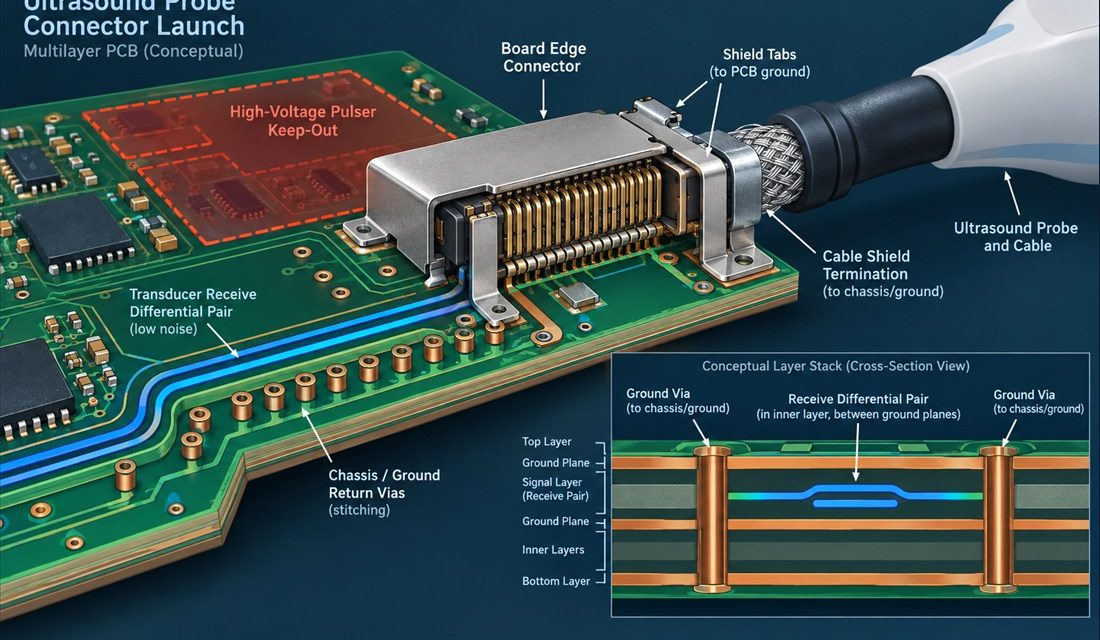
How to Keep a High-Voltage Pulser from Polluting an Ultrasound PCB Receive Path

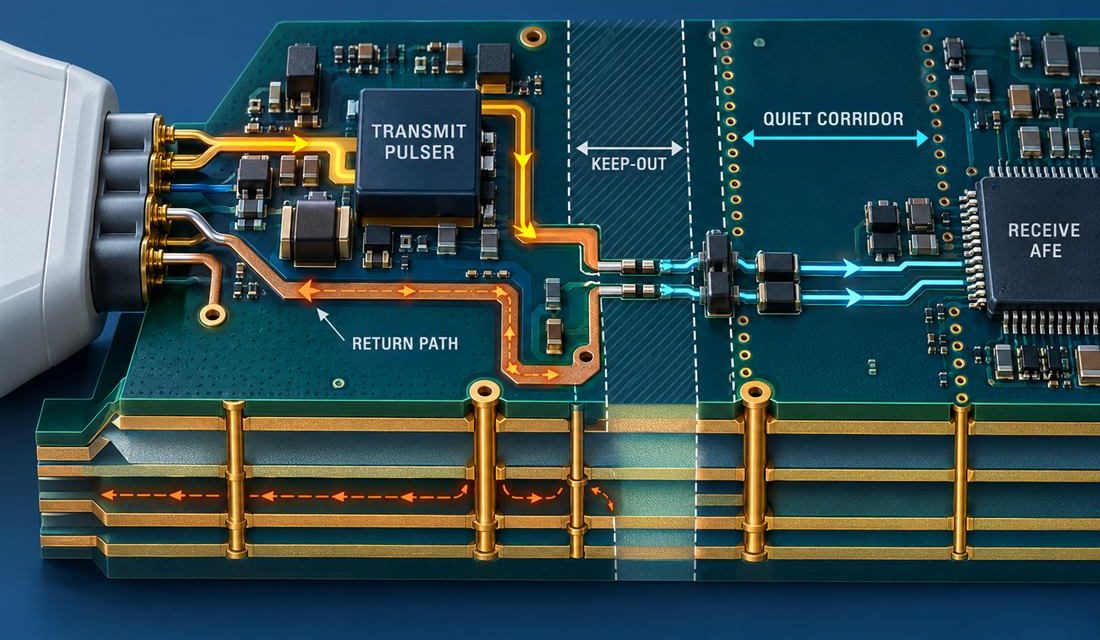
Ultrasound PCB partitioning becomes difficult when the transmit pulser and the receive AFE share a small probe-side area. During a transmit event, a short high-voltage pulse can create a large local current loop, while the receive channel is trying to preserve a much smaller echo signal. If the board treats those two functions as ordinary...

When Ultrasound Echoes Become Layout Noise: A Low-Noise Ultrasound PCB Release Plan

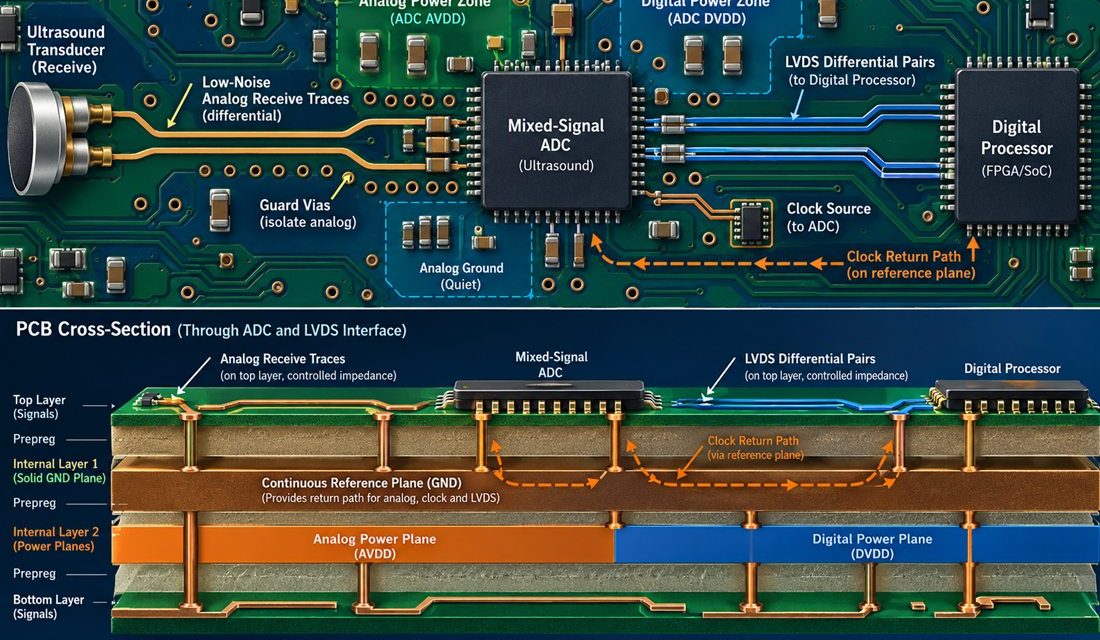
Ultrasound PCB design fails in a very specific way: the image can look acceptable on a bench and then lose contrast when transmit voltage, receive gain, clock activity, and patient-interface cabling are present at the same time. The difficult part is not choosing an expensive AFE; it is preserving the receive signal while the board...

Medical PCB Manufacturing: Precision, Reliability, and Innovation at KKPCB

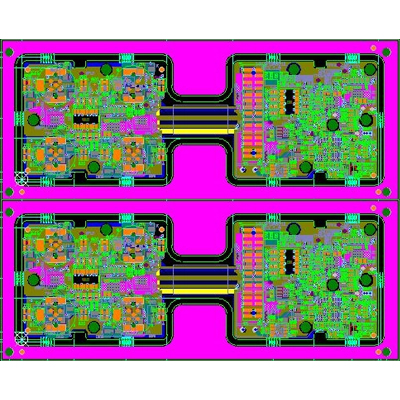
Medical electronics continue to evolve toward higher intelligence, miniaturization, and reliability — and at the heart of this transformation lies the printed circuit board (PCB). As a trusted PCB manufacturer, KKPCB supports global medical device companies with Class 3-compliant, high-reliability PCBs designed for critical healthcare applications. What Is a Medical PCB? Medical PCBs are the...

Rigid-Flex PCB: Advanced Flexible and Rigid PCB Solutions for Compact High-Reliability Electronics

1. Why Rigid-Flex PCB Technology Is Transforming Modern Electronics As electronic devices continue evolving toward: Miniaturization Higher integration density Lightweight structures Greater functional complexity traditional PCB interconnection methods are increasingly limited in: Space utilization Mechanical reliability Assembly flexibility To overcome these limitations, manufacturers increasingly adopt Rigid-Flex PCB technology, which combines: Rigid PCB structures Flexible circuit...

Rigid-Flex PCBs: Combining Rigidity and Flexibility for Advanced Electronics

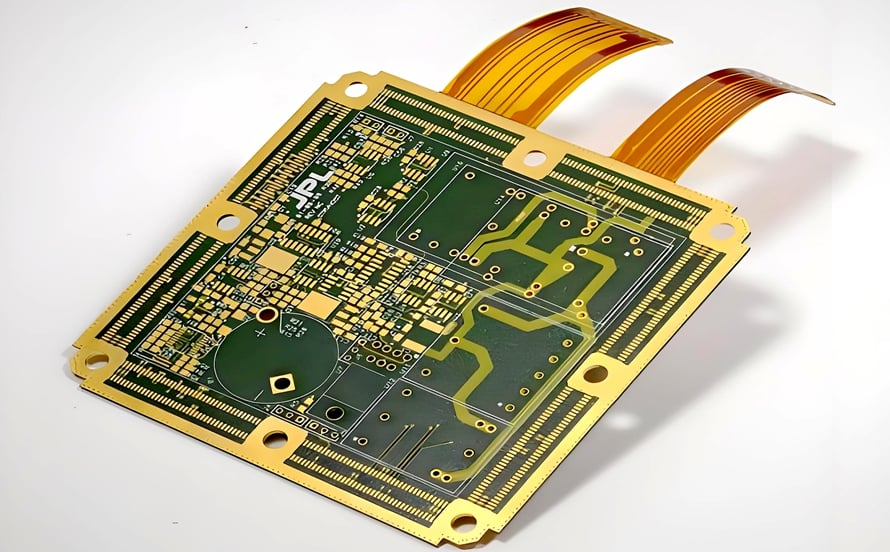
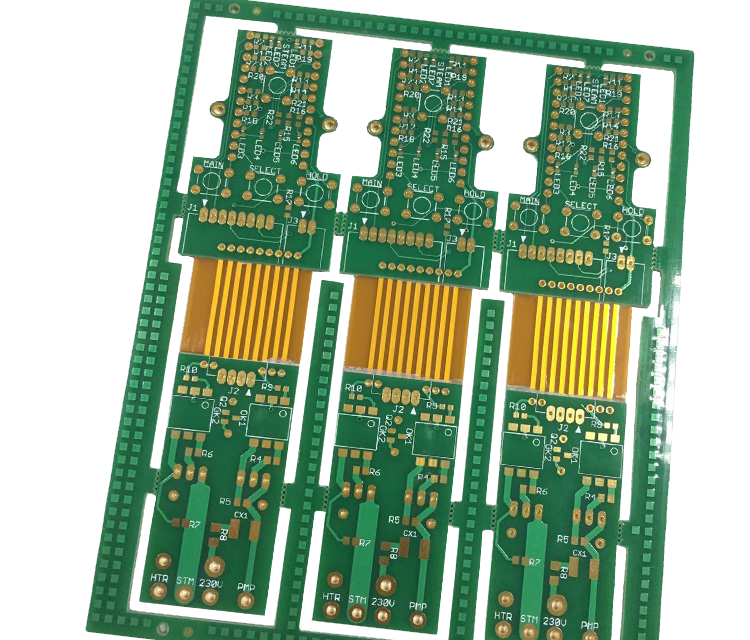
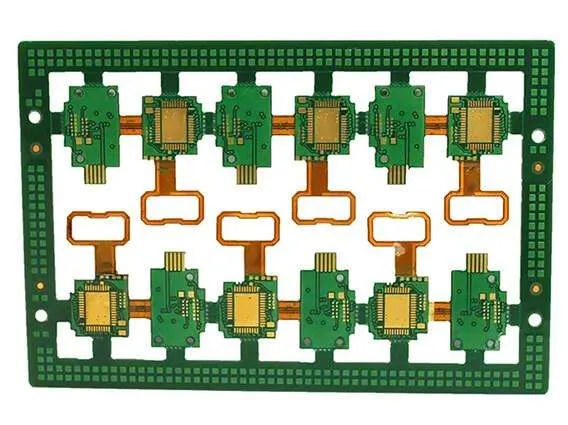
A Rigid-Flex PCB is a printed circuit board that combines rigid sections with flexible circuits into a single, integrated assembly. This design enables 3D packaging, reduced interconnects, and improved reliability in applications where traditional rigid PCBs cannot meet space or mechanical constraints. Rigid-Flex technology is essential in: Aerospace and defense electronics Medical devices Industrial automation...

Rigid-Flex PCB – Flexible and Rigid Hybrid PCB for Compact and High Reliability Applications

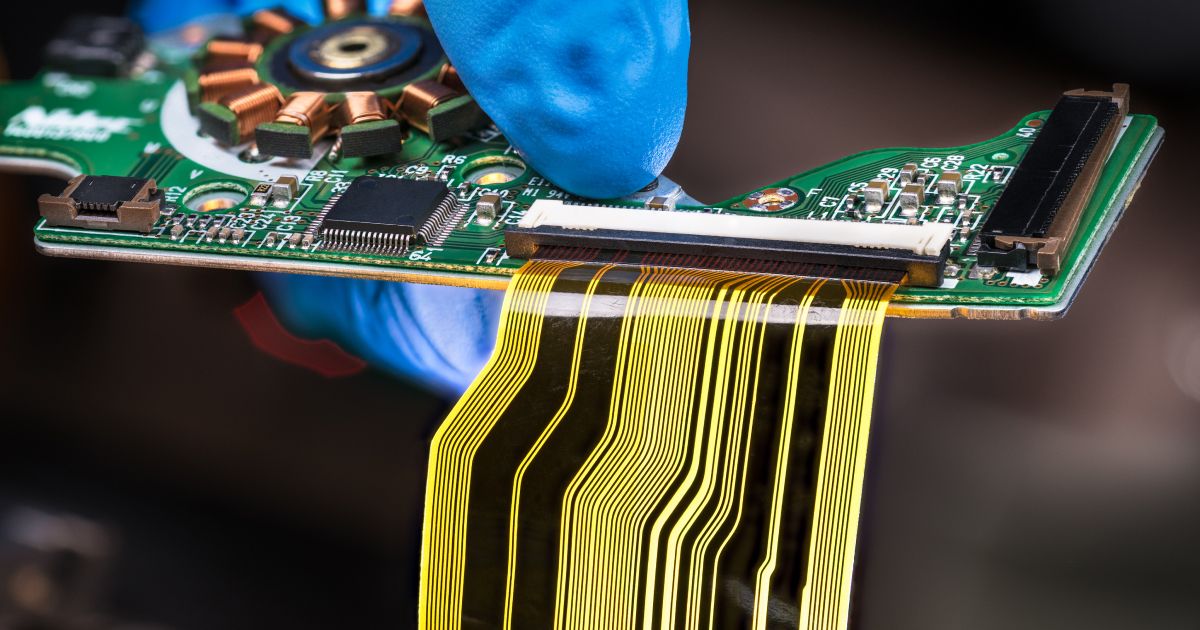
What Is a Rigid-Flex PCB? A Rigid-Flex PCB combines rigid circuit board sections with integrated flexible circuit layers into a single unified structure. This hybrid design allows the board to bend in specific areas while maintaining structural stability in others. Unlike traditional assemblies that connect separate rigid boards using cables or connectors, rigid-flex technology integrates...

Rigid-Flex PCB – High Reliability Hybrid PCB for Compact and Complex Electronic Designs

What Is a Rigid-Flex PCB? A Rigid-Flex PCB is a hybrid printed circuit board that integrates rigid PCB sections and flexible circuit layers into a single unified structure. Unlike traditional PCB assemblies that use connectors or cables between separate boards, a Rigid-Flex PCB eliminates mechanical interconnections by embedding flexible layers within the rigid stack-up. Rigid-Flex...

High Reliability PCB Manufacturing for Mission-Critical Applications

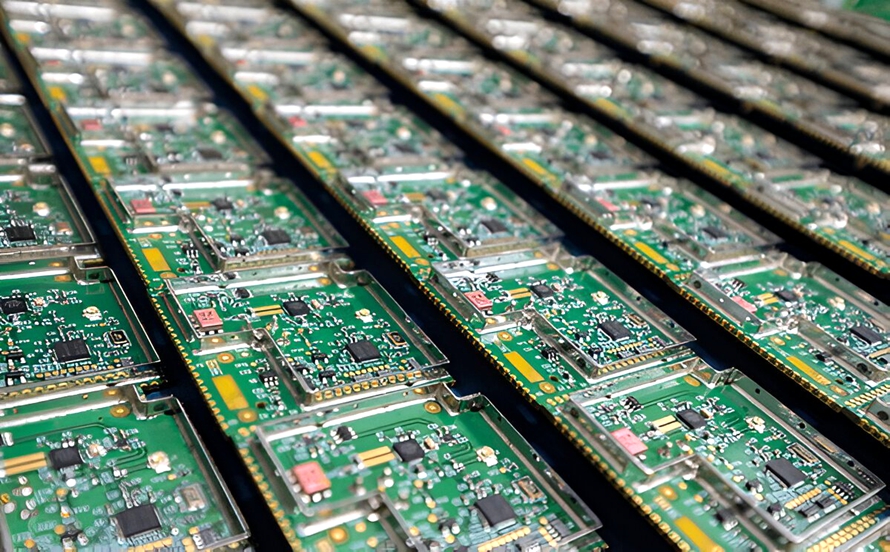
What Is a High Reliability PCB? A High Reliability PCB is a printed circuit board designed and manufactured to perform consistently under extreme environmental, electrical, and mechanical conditions. These PCBs are engineered for long service life, stable electrical performance, and minimal failure risk. High reliability PCBs are essential for applications where system failure is not...