HomeTag

high-speed PCB - KKPCB

What is a High Frequency PCB?

Introduction: Why High Frequency PCB Matters As modern electronics continue to evolve toward high-speed communication and high-frequency signal transmission, the demand for High Frequency PCBs has grown significantly. Applications such as 5G communication, radar systems, and satellite technology require circuit boards that can handle high-frequency signals with minimal signal loss and excellent signal integrity. Understanding...
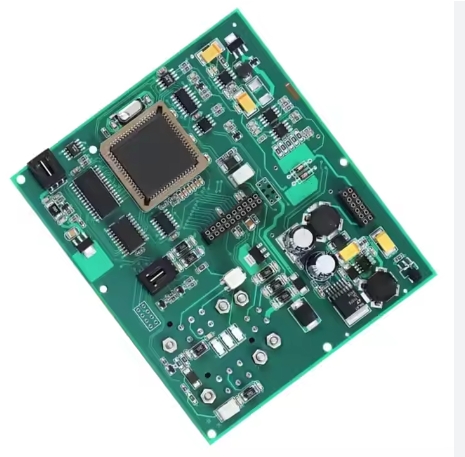
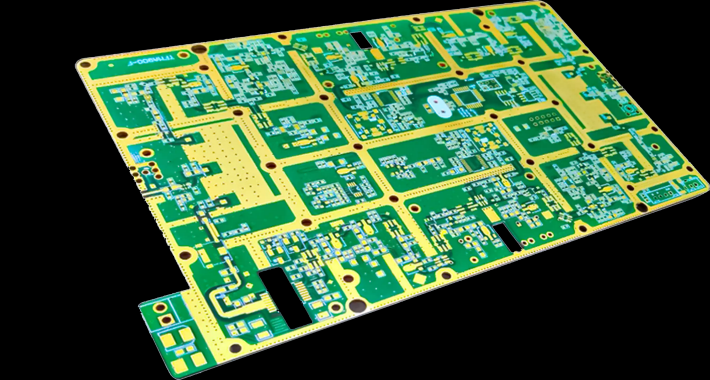
Advanced PCBs – Design, Manufacturing, and Assembly

Advanced PCBs represent the cutting edge of printed circuit board technology, enabling compact, high-performance, and highly reliable electronic systems for demanding applications such as 5G/6G infrastructure, ADAS automotive radar, AI computing, aerospace electronics, Industrial IoT, and medical devices. These boards go far beyond standard FR-4 designs, incorporating HDI (High-Density Interconnect), rigid-flex, high-frequency low-loss materials, heavy...

What is high frequency PCB and its characteristics and materials

As wireless communication, radar systems, satellite technology, autonomous vehicles, and high-speed computing continue to evolve, electronic systems are operating at increasingly higher frequencies. Standard PCB materials may no longer provide the electrical stability required for these applications, making high frequency PCBs an essential solution. High frequency PCBs are specifically designed to minimize signal loss, maintain...

What does circuit board impedance mean? What are the requirements for impedance control during PCB manufacturing?

With the continuous development of electronic products toward high-speed transmission, high-frequency operation, and increased integration, PCB electrical performance has become a critical factor affecting system reliability. In traditional low-speed circuits, PCB traces were mainly considered simple electrical connections. However, when signal frequencies increase, PCB traces behave like transmission lines, and their electrical characteristics directly influence...

Grounding method in multilayer PCB circuit board

In modern multilayer PCB circuit board design, selecting the correct grounding method is essential for ensuring optimal signal integrity, minimizing electromagnetic interference (EMI), and maintaining stable power integrity. A well-designed grounding system not only improves overall PCB performance but also enhances the reliability of high-speed and high-frequency electronic applications. One of the most widely used...

Blind Via and Buried Via

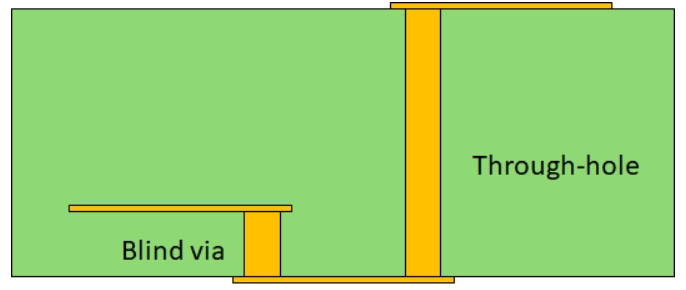
In modern PCB design, Blind Via and Buried Via technologies play a critical role in achieving high-density interconnect (HDI) structures, improving signal integrity, and optimizing PCB layout performance. As electronic devices continue to evolve toward miniaturization, high speed, and high functionality, the use of blind vias and buried vias has become increasingly essential in advanced...

The advantages and application of Rogers RO4350B and RO4003C PCB

With the rapid development of high-frequency communication, automotive radar, 5G infrastructure, and advanced electronic systems, traditional FR-4 materials are increasingly challenged by applications requiring low signal loss, stable dielectric performance, and precise impedance control. For RF and microwave PCB designs, material selection directly affects: Signal transmission quality Insertion loss Phase stability Thermal reliability Manufacturing consistency...

3 Specialized PCB Via Options: Boomerang, ELIC, VeCS

Engineering Context / Abstract As BGA pitch decreases and data rates rise, the vertical interconnect becomes part of the transmission channel rather than a simple electrical hole. A plated through-hole may consume routing area, create an unused via stub, interrupt the return path, and add parasitic capacitance and inductance. Advanced systems therefore require specialized PCB...

Key Grounding Techniques in Electronic Design

Grounding is one of the most fundamental elements in electronic system design. A well-designed grounding structure provides a stable reference potential, ensures reliable current return paths, reduces electrical noise, and improves overall system performance. As electronic products continue developing toward higher operating frequencies, faster data transmission, and increased integration, grounding design has become more challenging....

High-Speed PCB Design Guide 8: PCB Reliability Design

With the rapid development of electronic systems toward higher speed, higher integration, and greater functional complexity, PCB reliability has become a critical consideration in high-speed PCB design. In high-speed applications, PCB performance is influenced not only by signal integrity and impedance control but also by long-term reliability under different operating conditions. A high-speed PCB must...