HomeCategory

Advanced Engineering Technologies for PCB & PCBA Solutions - KKPCB

How to Make High-Frequency PCB?

PCB is one of the essential components and devices in electronics due to its wide availability and simplicity. Among the various types and forms of PCB, high-frequency PCB is widely used due to its general purpose. What is High-Frequency PCB? A high-frequency PCB is very similar to any other form of PCB (printed circuit board). It is compatible with...
High-Precision PCB Manufacturing: How to Optimize Data Acquisition and Signal Processing Capabilities for Control Boards

In modern electronic devices, the performance of control boards directly impacts the reliability and accuracy of the entire system. Whether in industrial automation, medical devices, or consumer electronics, data acquisition and signal processing boards (DAQ and Signal Processing PCBs) play a crucial role. To ensure that the system can efficiently and accurately process signals from...

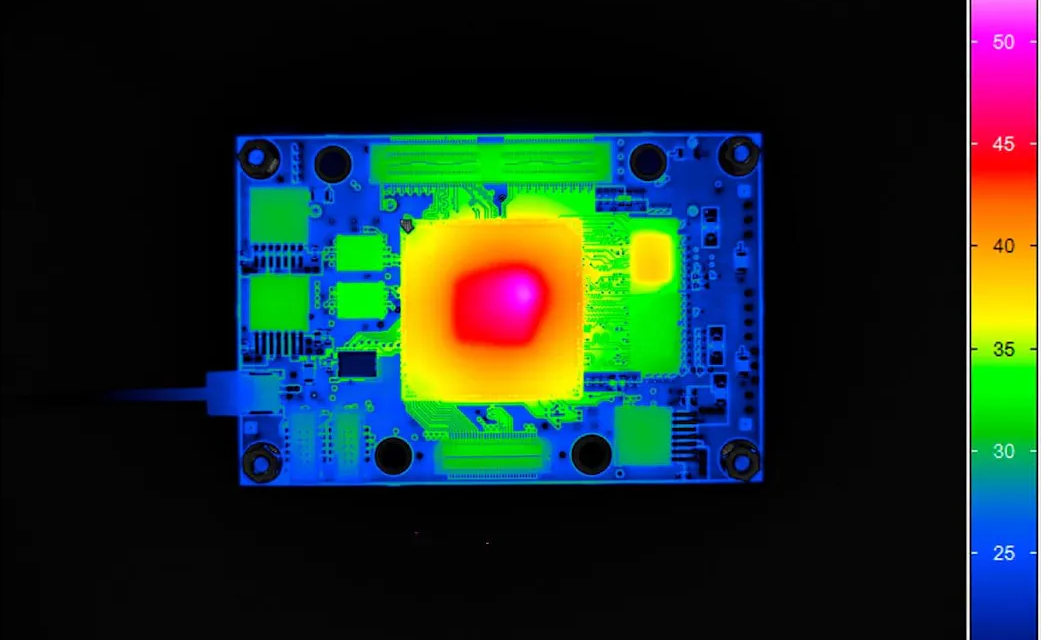
Infrared Thermal Imaging in the Electronics Industry: Optimizing Thermal Management and Enhancing Performance

In modern electronics manufacturing and PCB assembly, effective thermal management is critical for ensuring system performance, reliability, and longevity. As electronic devices become more compact and powerful, heat generation increases significantly, making temperature control a key engineering challenge. Infrared thermal imaging technology has emerged as a powerful tool for analyzing and optimizing thermal behavior in...

Issues to Consider in the Production of High-Frequency Microwave Printed Circuit Boards (PCBs)

Engineering Context / Abstract High-frequency microwave PCB production requires tighter material, geometry, and process control than conventional FR-4 fabrication because the board itself forms part of the RF transmission structure. At microwave and millimeter-wave frequencies, small changes in dielectric constant, dielectric thickness, trace width, copper profile, via geometry, solder mask, or surface finish can alter...

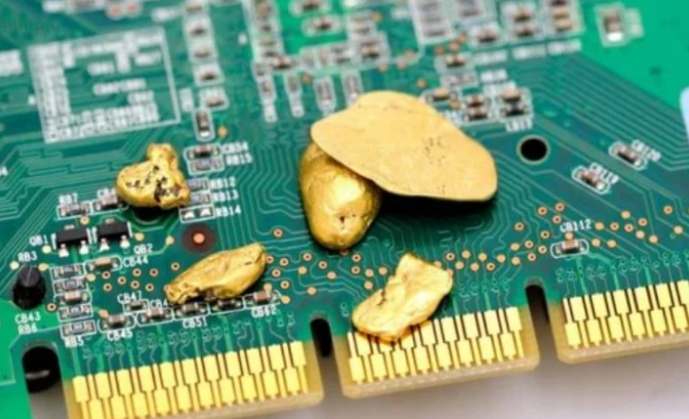
What is the difference between immersion gold and gold plating in PCB?

Surface finishes in PCBs are vital for ensuring solderability, electrical conductivity, and corrosion resistance. They help components bond securely to the board, ensure smooth signal flow, and protect the PCB from environmental damage. Without a proper surface finish, a PCB may not function correctly or could wear out faster. Immersion Gold (ENIG) and Gold Plating are two popular gold...

Navigating the Future: Key Trends Reshaping Electronics Manufacturing in 2025

As we step into 2025, the electronics manufacturing industry is poised for transformative changes driven by technological advancements, shifting consumer demands, and global economic factors. At KKPCB, we are committed to staying at the forefront of these developments to deliver cutting-edge solutions to our clients. Here’s an overview of the key trends set to reshape the...

To develop and realize Hybrid PCBs for space applications through indigenous vendors

Space electronic systems require printed circuit boards (PCBs) with exceptional levels of reliability, environmental resistance, and long-term operational stability. Unlike conventional commercial electronics, space applications must withstand extreme conditions including: Large temperature variations Mechanical vibration and shock Radiation exposure Vacuum environments Long mission durations without maintenance As spacecraft systems become more sophisticated, PCB technology must...

PCB Design For Military & Aerospace Applications

Military and aerospace PCBs must adhere to intensely high standards to ensure their safety and functionality in the extreme conditions they’re used in. For this reason, PCB design for military and aerospace applications requires incredibly stringent guidelines with built in redundancy, extra safety, and stringent tolerances, minimizing risk of failure. General PCB Design Tips for Military and Aerospace Applications...

Low Power Circuit Design Strategies for PCBs

As electronic devices become smaller, smarter, and increasingly battery-powered, reducing power consumption has become a key objective in PCB design. Whether developing IoT sensors, wearable devices, medical electronics, or industrial control systems, an optimized low power PCB extends battery life, reduces thermal stress, and improves overall system reliability. Low power PCB design is far more...

RF Via Transitions in High-Speed Designs: Best Practices and Considerations

In high-speed and RF PCB designs, controlling trace impedance is critical, but the role of RF via transitions is often underestimated. Vias, which connect signals between layers, can introduce impedance mismatches, signal reflections, and losses, especially at high frequencies. Proper design and optimization of via transitions are essential to maintain signal integrity and ensure reliable performance in RF and...