
With the rapid development of electronic products toward miniaturization, lightweight design, and higher reliability, PCB and FPC technologies are increasingly applied in environments where exposure to moisture, humidity, water splash, chemicals, and dust cannot be avoided.
Applications such as automotive electronics, wearable devices, medical equipment, industrial control systems, outdoor monitoring devices, and smart sensors require electronic assemblies to maintain stable performance under harsh operating conditions. In these scenarios, waterproof protection is no longer considered only as an additional feature but has become an important factor affecting product reliability and lifecycle performance.
During PCB and FPC prototyping, selecting suitable waterproof materials and protection methods requires comprehensive consideration of electrical performance, thermal behavior, mechanical flexibility, manufacturability, and long-term reliability.
1. Why Waterproof Protection Matters in PCB and FPC Applications
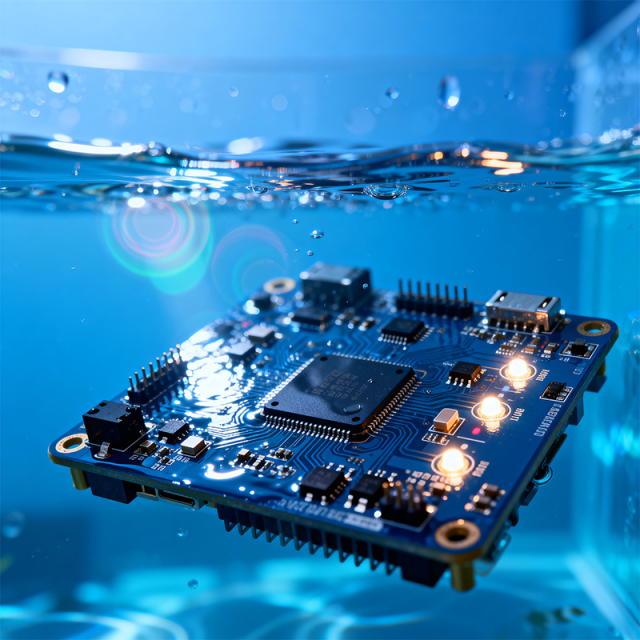
Unlike traditional electronic products operating in controlled indoor environments, modern electronic systems are often exposed to complex external conditions.
Moisture penetration can create several reliability risks:
1.1 Corrosion and Conductive Failure
Water molecules can accelerate oxidation of copper traces, pads, connectors, and surface finishes. Over time, corrosion may increase electrical resistance, cause intermittent connections, or even lead to open circuits.
For high-density PCB designs and fine-pitch FPC structures, where conductor spacing is extremely limited, moisture-related failures become more difficult to detect and repair.
1.2 Insulation Degradation
Humidity can reduce insulation resistance between conductors, especially in high-voltage, high-frequency, and sensitive analog circuits.
This may result in:
- Leakage current increase
- Signal instability
- Electrical noise
- Unexpected system failures
1.3 Mechanical Reliability Issues for FPC
Flexible circuits are commonly used in applications requiring repeated bending, such as wearable devices, automotive displays, cameras, and medical sensors.
Waterproof protection must not only block moisture but also maintain:
- Flexibility
- Bending durability
- Adhesion strength
- Dimensional stability
2. Common Waterproof Materials Used for PCB and FPC Protection
Different applications require different protection strategies. During PCB and FPC prototyping, engineers usually evaluate the protection level, production process, and cost before selecting materials.
2.1 Conformal Coating
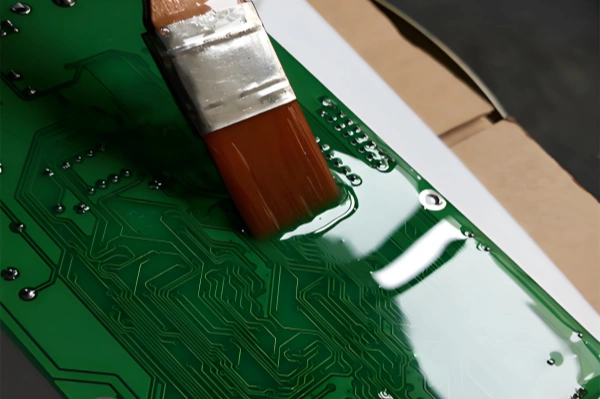
Conformal coating is one of the most widely adopted waterproof protection methods for PCB assemblies.
A thin protective layer is applied over the PCB surface to provide resistance against:
- Moisture
- Dust
- Chemicals
- Environmental contamination
Common coating materials include:
Acrylic Coating
Advantages:
- Easy application
- Fast curing
- Good moisture protection
- Easy rework capability
It is suitable for general industrial electronics and consumer applications.
Silicone Coating
Advantages:
- Excellent flexibility
- High temperature resistance
- Suitable for vibration environments
Silicone coatings are often used in automotive electronics and outdoor applications.
Polyurethane Coating
Advantages:
- Strong chemical resistance
- High abrasion resistance
- Good environmental durability
It is commonly applied in industrial control systems requiring long-term protection.
3. Waterproof Materials for FPC Applications
Compared with rigid PCB, FPC requires more specialized waterproof solutions because of its flexibility and thin structure.
3.1 Waterproof Coverlay Materials
Traditional FPC coverlay provides mechanical protection and insulation, but advanced waterproof applications may require improved adhesive systems and enhanced moisture resistance.
Key considerations include:
- Adhesive reliability
- Interface bonding strength
- Resistance to humidity aging
- Flexibility after repeated bending
Poor bonding between coverlay and copper layers may create micro-gaps where moisture can penetrate.
3.2 Waterproof Film and Encapsulation Materials
For highly demanding environments, FPC assemblies may use additional waterproof films or encapsulation methods.
These solutions can provide:
- Full surface protection
- Improved sealing performance
- Enhanced environmental durability
However, excessive encapsulation thickness may affect:
- Flexibility
- Heat dissipation
- Assembly compatibility
Therefore, material selection must balance protection performance and mechanical requirements.
4. Key Considerations During PCB/FPC Prototyping
Waterproof performance is not determined only by the material itself. PCB and FPC manufacturing processes also have significant influence.
4.1 Material Compatibility
Waterproof materials must be compatible with:
Material incompatibility may cause:
- Poor adhesion
- Delamination
- Cracking during thermal cycling
4.2 Thermal Management
Protective materials can affect heat dissipation.
For power electronics, automotive control boards, and high-density PCB assemblies, engineers need to evaluate:
- Thermal conductivity
- Heat accumulation risks
- Component temperature rise
A waterproof solution should protect against moisture without creating additional thermal challenges.
4.3 Manufacturing Process Control
During prototyping, waterproof reliability is closely related to manufacturing processes, including:
- Surface cleanliness before coating
- Coating thickness control
- Curing conditions
- Masking requirements
- Inspection methods
Insufficient process control may create defects such as:
- Coating bubbles
- Uneven coverage
- Pinholes
- Contamination areas
5. Testing and Validation of Waterproof PCB/FPC Solutions
Before moving from prototype to mass production, waterproof performance should be verified through appropriate reliability testing.
Common evaluation methods include:
Humidity Testing
Used to evaluate long-term moisture resistance under controlled humidity conditions.
Water Spray Testing
Simulates exposure to water splash or outdoor environments.
Thermal Cycling Testing
Evaluates whether protective materials maintain adhesion and integrity under temperature changes.
Bending Testing for FPC
Ensures waterproof protection does not reduce the mechanical reliability of flexible circuits.
6. Industry Trend: Waterproof Protection as Part of PCB Reliability Engineering
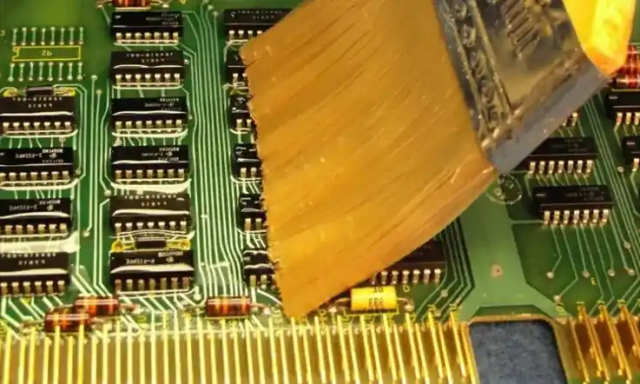
As electronic products become smaller and more integrated, waterproof protection is evolving from a simple coating process into a comprehensive reliability engineering approach.
Future PCB and FPC designs will increasingly combine:
- Advanced waterproof materials
- Improved surface protection technologies
- Optimized PCB structures
- Enhanced manufacturing controls
- Reliability testing strategies
For prototype development, early evaluation of waterproof requirements helps reduce design risks, improve production readiness, and ensure stable performance in real-world environments.
Conclusion
The application of waterproof materials on PCB and FPC prototypes requires a balance between environmental protection, electrical performance, mechanical reliability, and manufacturing feasibility.
Whether through conformal coatings, waterproof films, coverlay optimization, or encapsulation technologies, the right protection strategy depends on the specific operating environment and product requirements.
By integrating waterproof considerations during PCB/FPC design and prototyping stages, manufacturers can achieve higher reliability and longer product lifecycles in demanding applications such as automotive electronics, medical devices, industrial systems, and wearable technologies.
