Blog

Explore the KKPCB Blog for the latest PCB manufacturing and assembly news, industry insights, expert tips, and technology trends, helping you stay informed and optimize your electronics projects.
The Multilayer PCB: What it is, how it works, and when you should use it

In the world of electronics, where technological advancements occur rapidly, the multilayer PCB has established its dominance. Over the past few decades, multilayer printed circuit boards have become an indispensable part of modern electronic devices, enabling them to meet the complex needs of today’s consumers. From Single to Double-sided PCB to Multilayer PCB Traditionally, printed circuit boards...
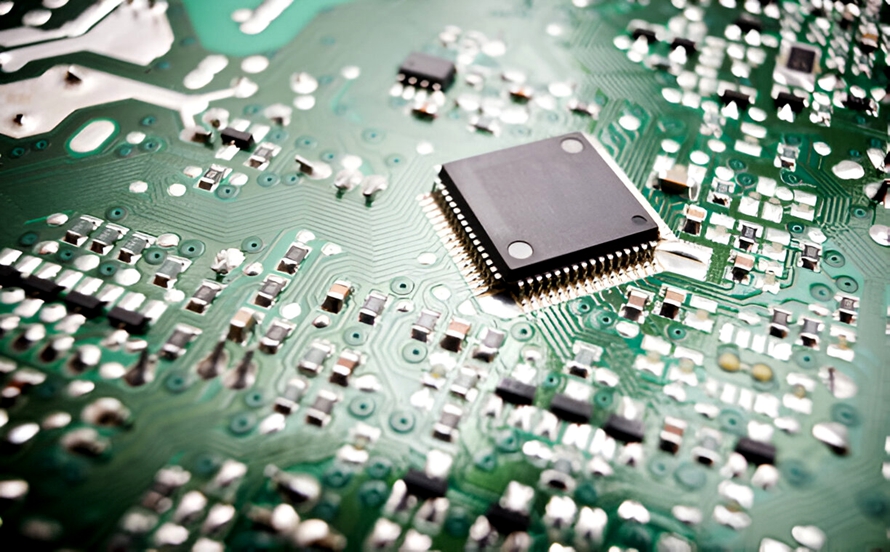
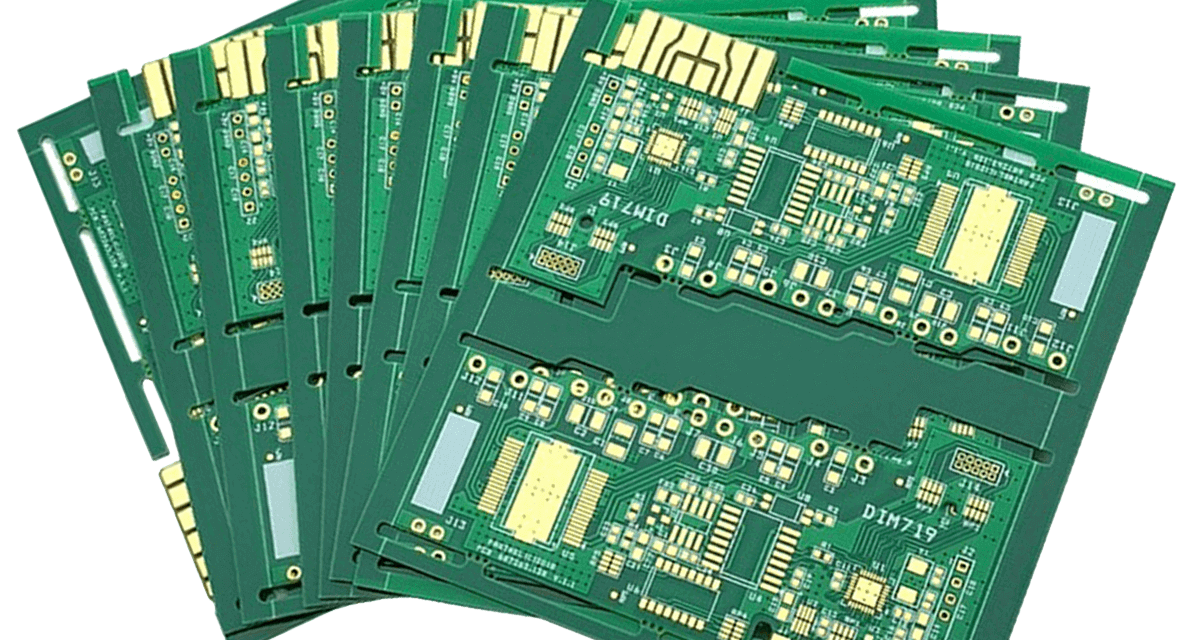
How Are PCBs Made? A Comprehensive Guide to Printed Circuit Boards

Electronic devices have transformed modern life, and at the heart of these innovations lies a critical component: the Printed Circuit Board (PCB). From smartphones and laptops to industrial machinery and household appliances, PCBs are the backbone of electronics, enabling functionality, precision, and reliability. What Is a PCB? A Printed Circuit Board (PCB) is a thin board made from...

Multilayer PCBs: Overview, Manufacturing, and Design Considerations

With the continuous evolution of electronic products toward higher functionality, smaller form factors, and increased signal complexity, traditional single-layer and double-layer PCBs are often unable to meet modern design requirements. Multilayer PCBs have become an essential technology for advanced electronic systems by providing more routing space, improved electrical performance, and enhanced design flexibility. By integrating...

HDI Printed Circuit Board (PCB)

With the continuous development of electronic products toward miniaturization, higher performance, and greater functional integration, traditional PCB technologies are facing increasing limitations in terms of wiring density and space utilization. HDI (High Density Interconnect) PCB technology has become one of the most important advanced PCB solutions for modern electronic systems. By using microvias, fine lines,...

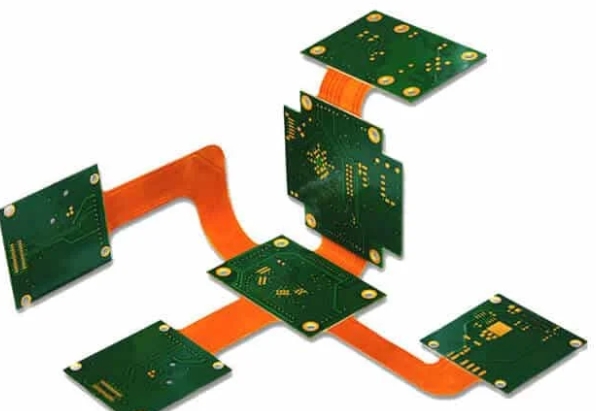
What Are Flexible Printed Circuits (Flex PCB)?

Flexible Printed Circuits (FPCs), also called Flexible Circuits, or Flex Circuits, by IPC definition, a flexible printed circuit is a patterned arrangement of printed circuitry and components that utilizes flexible based material with or without flexible cover lay. This definition is accurate, and conveys some of the potential given the available variations in base materials, conductor materials, and protective cover materials....

PCB Prototyping Services

In modern electronics development, PCB prototyping services play a critical role in transforming circuit concepts into functional hardware. Whether for high-speed PCB design, RF PCB development, or industrial electronics, fast and accurate PCB prototype manufacturing ensures design validation, reduces risks, and accelerates time-to-market. Professional PCB prototyping services provide engineers with rapid turnaround, high-quality fabrication, and...

Common Flex PCB Surface Finishes

Copper in Printed Circuit Boards Printed circuit boards (PCBs), or called printed wiring boards (PWBs), have become basic parts in almost all areas of modern technologies. Copper trace is a crucial element on circuit boards. The copper always plays a role of carrying electrical signals to different components across the board assembly. Without traces, the...

Multilayer PCB Benefits and Applications

Printed circuit boards (PCBs) are the core of most electronics today, determining basic functions through combinations of components and wiring mechanisms. Most PCBs of the past were relatively simple and limited by manufacturing techniques, while today’s PCBs are much more complex. From advanced flexible options to odd-shaped varieties, PCBs are much more varied in nowadays’ world...

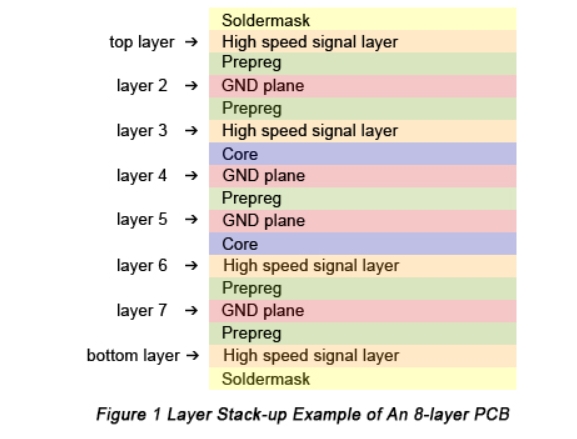
What is Stack-up?

In PCB design and manufacturing, stack-up is one of the most important elements that determines the electrical performance, mechanical reliability, and manufacturability of a printed circuit board. As electronic products continue to develop toward: Higher transmission speeds Smaller form factors Greater circuit density More complex power requirements PCB layer arrangement has become increasingly critical. A...