HomeTag

PCB Design - KKPCB

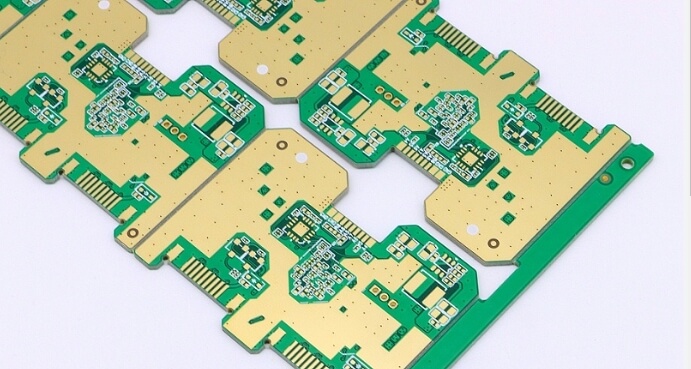
Printed Circuit Board Basics: From Design to Final Artwork

Understanding the Foundation of PCB Technology   A Printed Circuit Board (PCB) is the foundation of nearly every modern electronic product. From: consumer electronics industrial automation systems automotive electronics medical devices aerospace communication equipment high-speed networking hardware PCBs provide the essential platform for: electrical connectivity signal transmission component mounting power distribution As electronic products continue...
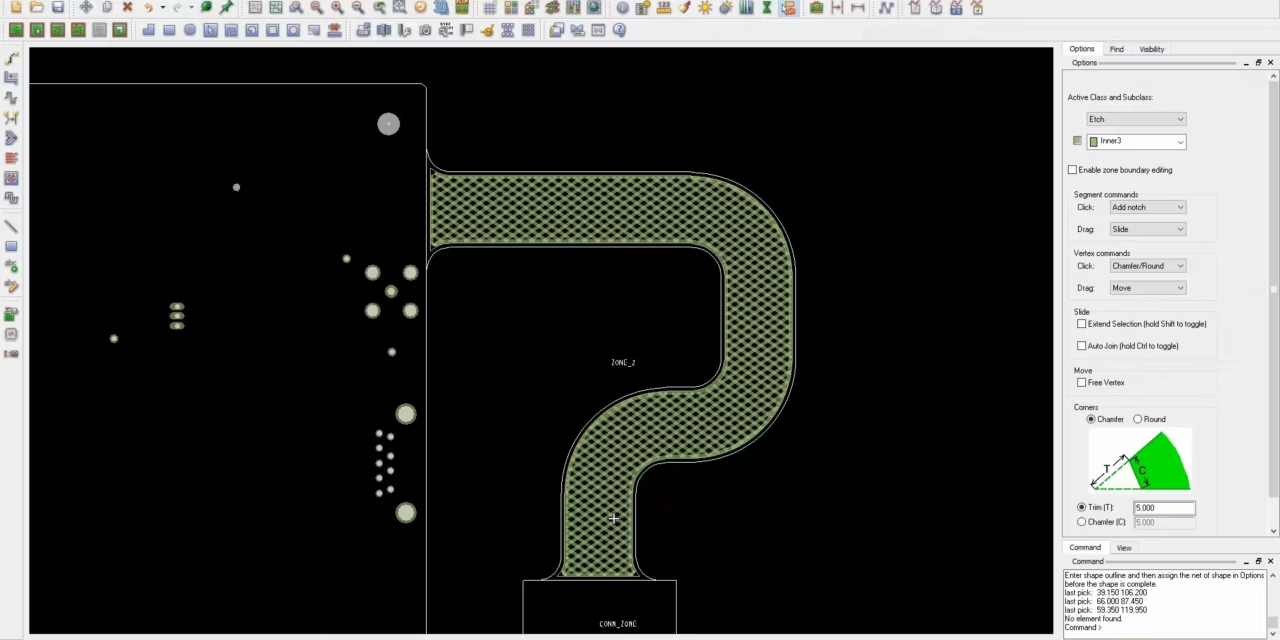
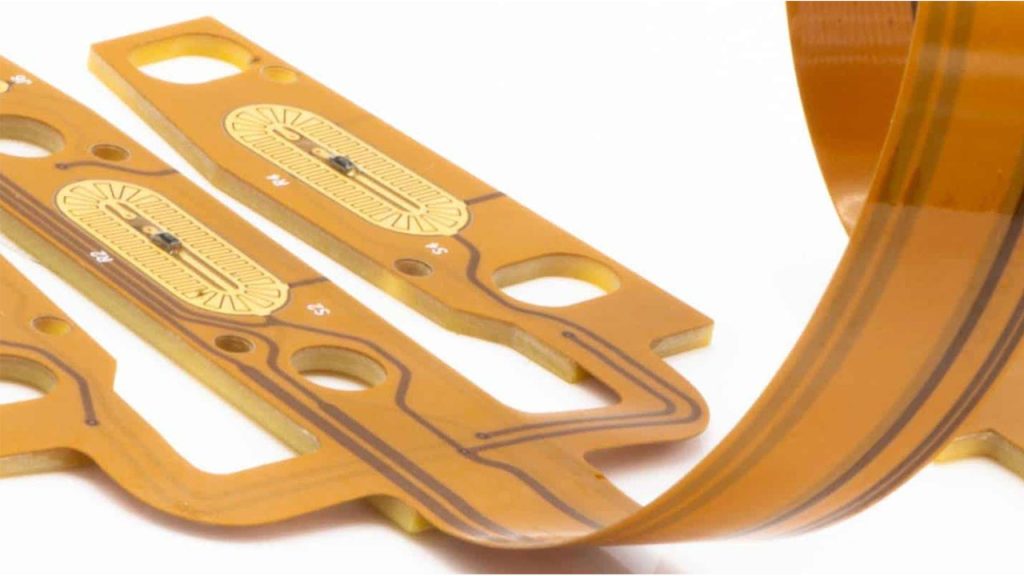
Maximize Performance With PCB Cross-Hatching

Key Takeaways Cross-hatching significantly increases the flexibility of flex PCBs by reducing copper content. Helps maintain optimal impedance in flex PCBs without altering dielectric thickness or signal line width. Enables efficient manufacturing with reduced copper usage and improved resin adhesion. PCB cross-hatching is a technique where certain planes or large copper areas are designed to resemble a...

Rigid Flex PCB Cost Optimization

Master Your Budget: Proven Strategies for Rigid Flex PCB Cost Optimization In modern electronics, Rigid-Flex PCB technology is the gold standard for compact, high-reliability designs. However, the complexity of Rigid-Flex manufacturing often leads to higher production expenses. Achieving effective Rigid Flex PCB cost optimization requires a strategic balance between sophisticated engineering and smart logistical choices. At KKPCB, we help engineers navigate these...

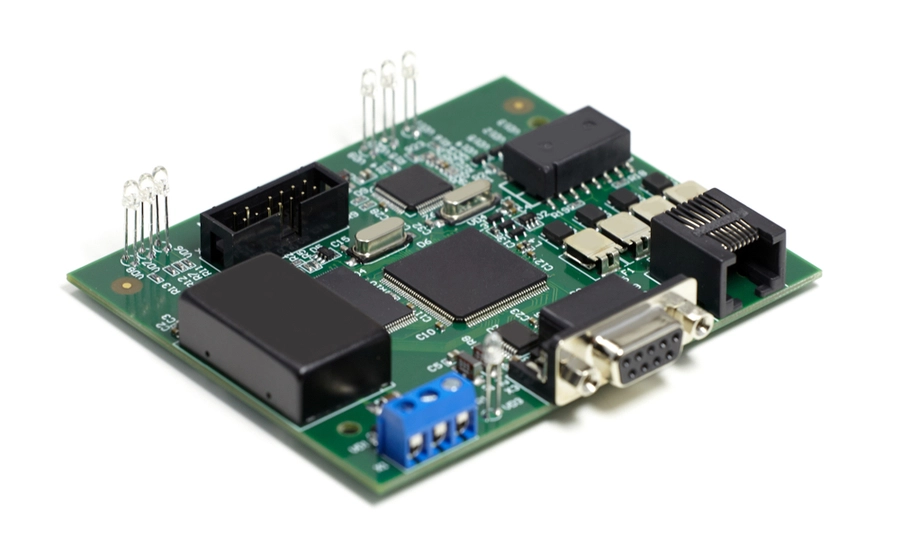
The Five Golden Rules of PCB Design

Printed Circuit Board (PCB) design is a critical step in the development of any electronic product. A well-designed PCB ensures reliability, performance, and manufacturability, while a poor design can lead to costly failures and delays. Below are five golden rules that every PCB designer should follow. 1. Prioritize Clear and Logical Layout A clean and...

10 Key Steps to Ensure Signal Integrity (SI) in PCB Design

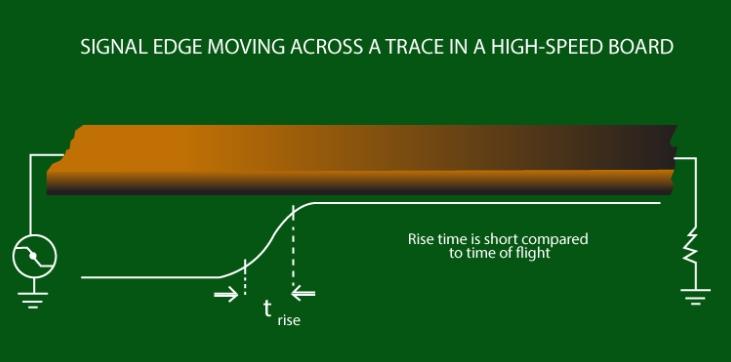
Introduction: Addressing signal integrity (SI) issues early in the PCB design process can streamline the design and eliminate the need for corrective termination devices later. Here, we outline critical steps to maintain signal integrity, from planning through testing. 1. Preparation Before Design Begin by defining your SI requirements and design strategy. Early-stage planning will guide component selection,...

Relationship Between Current and Line Width in PCB Design

In PCB design, trace width is one of the fundamental parameters that directly affects the electrical performance, thermal reliability, and manufacturing quality of a circuit board. When current flows through a PCB trace, the conductor generates heat due to electrical resistance. If the trace width is insufficient, excessive temperature rise may cause: Copper trace overheating...

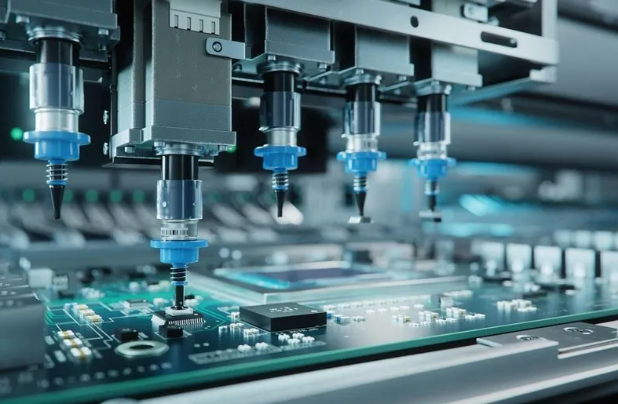
PCB for SMT (Surface Mount Technology): Choosing the Right PCB for SMD Components

With the rapid development of electronic products toward miniaturization, higher integration, and automated manufacturing, Surface Mount Technology (SMT) has become one of the most widely used PCB assembly methods in modern electronics. Unlike traditional through-hole components, Surface Mount Devices (SMD components) are mounted directly onto the surface of a PCB, allowing manufacturers to achieve: Higher...

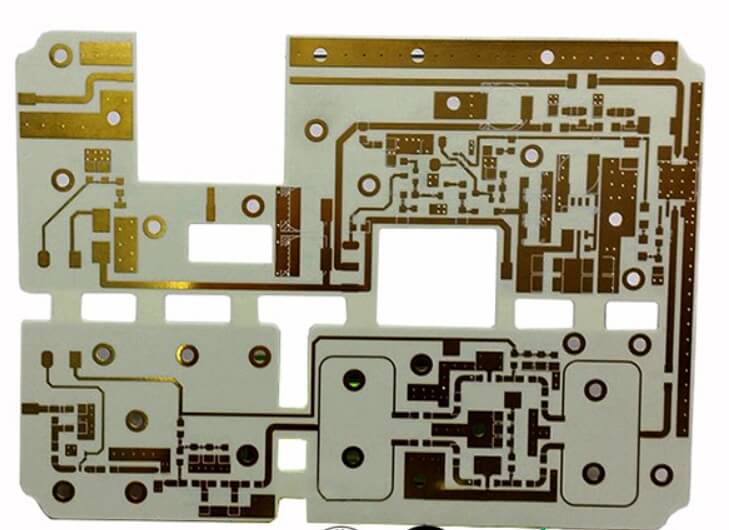
What are the high-frequency PCB boards? How to choose?

When processing and testing high-frequency PCB boards and high-frequency antennas, beginners often choose incorrect high-frequency PCBs, resulting in unsatisfactory product results. Let’s talk briefly today, what are the PCB high-frequency boards? How to choose? Definition of PCB high-frequency boards High-frequency circuit boards refer to special PCB circuit boards with higher electromagnetic frequencies. They are used in high-frequency (frequency greater...

Grounding method in multilayer PCB circuit board

In modern multilayer PCB circuit board design, selecting the correct grounding method is essential for ensuring optimal signal integrity, minimizing electromagnetic interference (EMI), and maintaining stable power integrity. A well-designed grounding system not only improves overall PCB performance but also enhances the reliability of high-speed and high-frequency electronic applications. One of the most widely used...