HomeAuthor

kkpcba-辛迪 - KKPCB - Page 7 sur 61

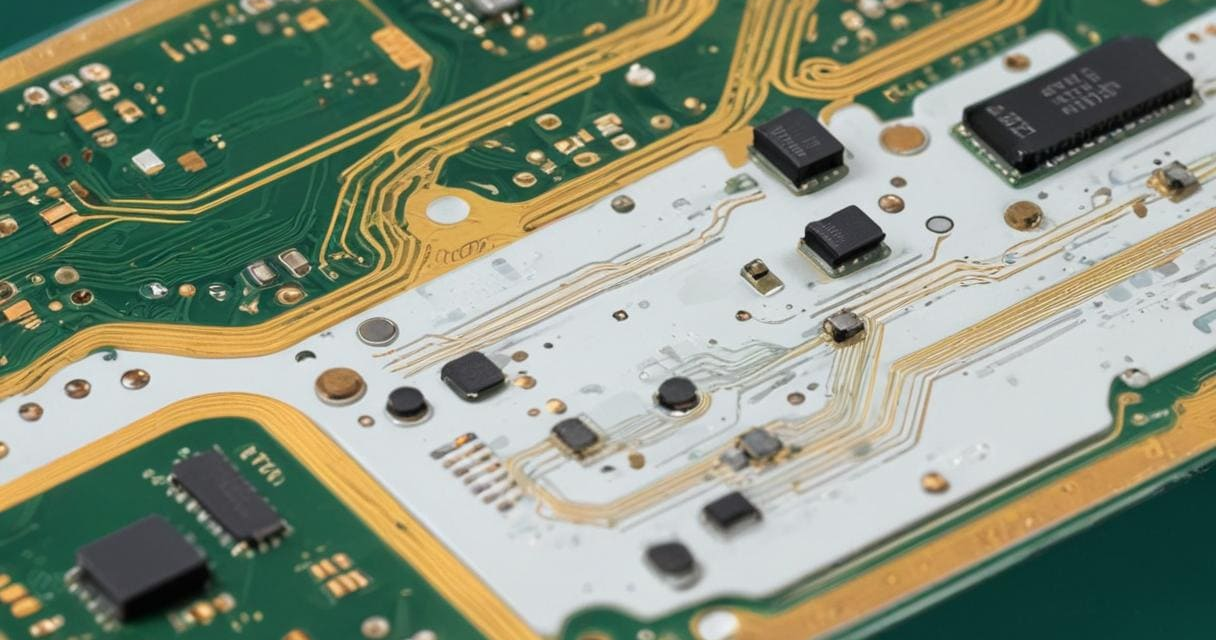
Which PCB Coating vs Resin Protection is Best?

Amid the increasing climate change, protection has become a top priority for every advancement. Moreover, we cannot deny that tech products require strong resistance to harsh weather, rain, sun or electromagnetic currents. Resins and coatings protect printed circuit boards to ensure their compatibility. This helps focus on which environmental factors affect the PCB from the outside and...
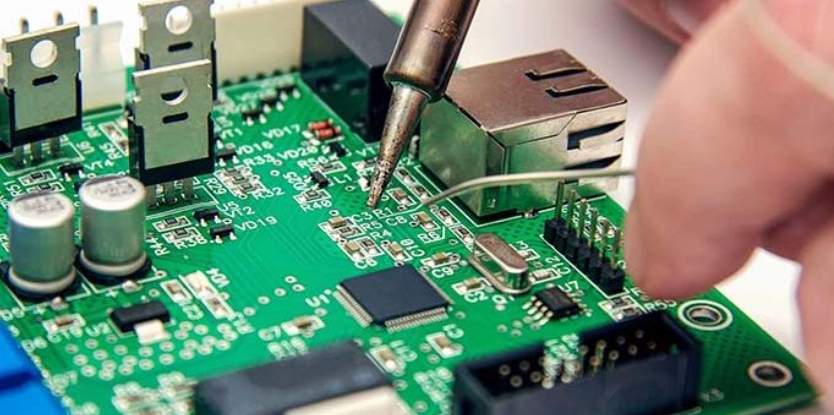
How to Remove Flux from PCB?

During PCB soldering and PCB assembly (PCBA), flux is widely used to ensure strong and reliable electrical connections. However, removing flux from PCB after soldering is equally important. Excess flux residue on PCB can lead to signal interference, corrosion, leakage current, and long-term reliability issues. This guide explains how to remove flux from PCB, covering...

What are the advantages of multi-layer printed circuit board assembly?

One of the most important things in the electronics industry is the PCB. They are used in many industries such as aerospace, consumer electronics, automotive, etc. However, many times, businesses cannot decide whether they should choose single-layer or multi-layer printed circuit board assembly. Both types of PCB assembly services offer unique features to businesses. Therefore, it is crucial...

Why Choose RF or Microwave PCB Assemblies for Networking and Communication?

Engineering Context Modern networking and communication systems are transitioning toward higher frequency bands, wider bandwidths, and denser integration of RF and digital circuits. Applications such as 5G base stations, Wi-Fi 6/7 routers, microwave backhaul links, and high-speed optical-electrical hybrid systems require PCB assemblies that can maintain stable signal integrity under GHz and mmWave operating conditions....

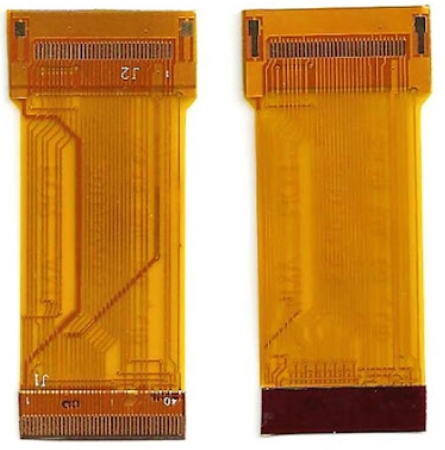
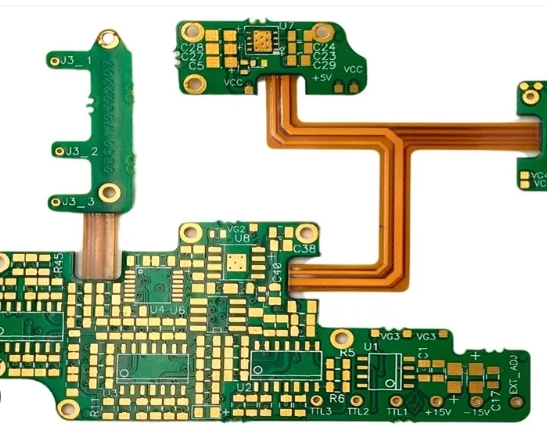
Single-layer FPC, double-layer FPC and multi-layer FPC in PCB manufacturing

Differences between single-layer FPC, double-layer FPC and multi-layer FPC Multi-layer FPC Multi-layer FPC is to stack three or more layers of single-sided or double-sided flexible circuits together, and make metallized holes through drilling, electroplating and other processes to achieve conductive paths between different layers, so no complex welding process is required. Multi-layer circuits have great functional...

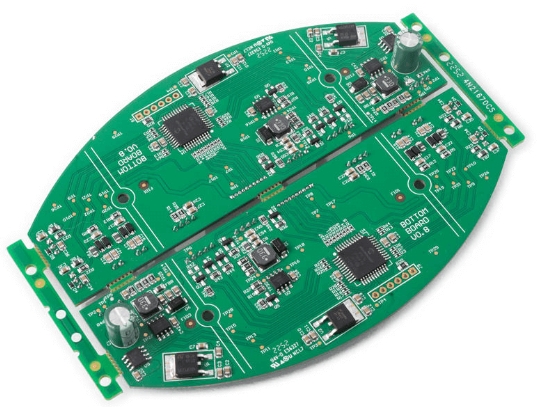
What is Surface Mount SMT PCB Assembly?

Surface Mount Technology (SMT), SMT Components, and SMT Equipment are all terms for this technology. Almost all commercially produced equipment in the electronics assembly industry today uses Surface Mount Technology (SMT), mainly because of its advantages in the PCB manufacturing process and the fact that a large number of electronic components can fit into a...

Pros and Cons of Through-Hole PCB Assembly vs. SMT PCB Assembly

Introduction: Choosing the Right PCB Assembly Method In modern electronics manufacturing, selecting the right PCB assembly method is critical for achieving optimal performance, cost efficiency, and product reliability. The two most common methods—Through-Hole PCB Assembly (THT) and SMT PCB Assembly (Surface Mount Technology)—each offer distinct advantages and limitations. Understanding the pros and cons of Through-Hole...

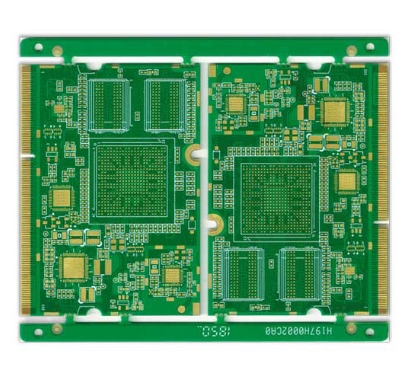
What is HDI Printed Circuit Board?

High Density Interconnect PCBs are becoming more and more important in the field of PCBs and electronics. However, there is an increasing need for smaller and lighter electronic components to operate. You need to add more functions in a smaller space to handle this. HDI boards help you achieve this goal. What is HDI Printed Circuit...

Why FR4 is used in high temperature PCBs

Printed circuit boards are widely used for the functionality of electronic devices. It is an essential item for prototyping. It has many layers of different materials. There are many varieties of printed circuit boards in terms of the materials used in their manufacture. Depending on the material, the choice of material determines the properties of any...