HomeCategory

PCB Design Services | Professional PCB Layout & Design - KKPCB

5G and IoT PCB Technology: How KKPCB Powers the Future of Intelligent Connectivity

5G and IoT: Transforming the World Through Intelligent Connectivity. 5G represents the fifth generation of wireless communication — not merely an upgrade from 4G, but a fundamental leap forward. With lightning-fast data transfer, ultra-low latency, and massive device connectivity, 5G unlocks the full potential of the Internet of Things (IoT). From smart cities to autonomous...
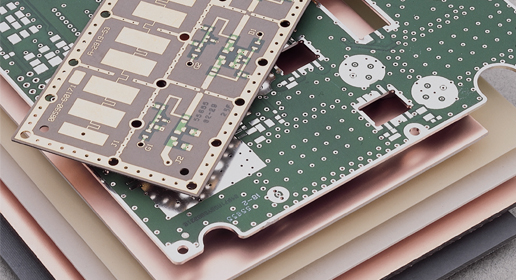
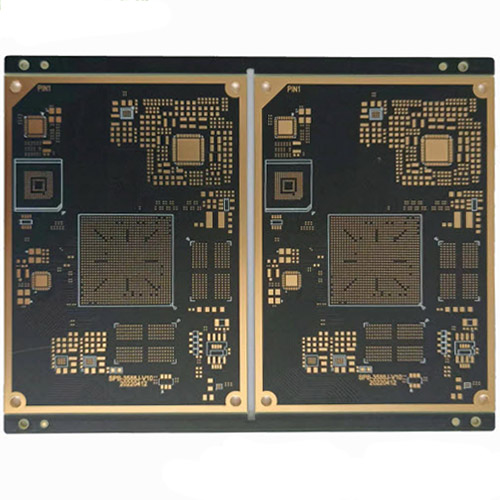
Advanced High-Frequency PCB Solutions with Rogers RT/duroid® 5880

Engineering Context The rapid expansion of wireless communication, aerospace electronics, radar systems, and high-frequency semiconductor applications has created increasing demand for PCB materials with extremely stable electrical performance. At microwave and mmWave frequencies, conventional FR-4 materials often cannot provide sufficient dielectric stability, low signal loss, and phase consistency required for advanced RF systems. Rogers RT/duroid®...

HDI PCB: The Core Technology Driving Miniaturization and High-Performance Electronics

HDI PCB: The Foundation of Modern Electronic Miniaturization In today’s electronics industry, devices are becoming smaller, faster, and more powerful. To achieve this balance, engineers increasingly rely on HDI PCBs (High-Density Interconnect Printed Circuit Boards)—a technology that allows for higher circuit density, improved signal integrity, and enhanced performance within compact form factors. At KKPCB, we...

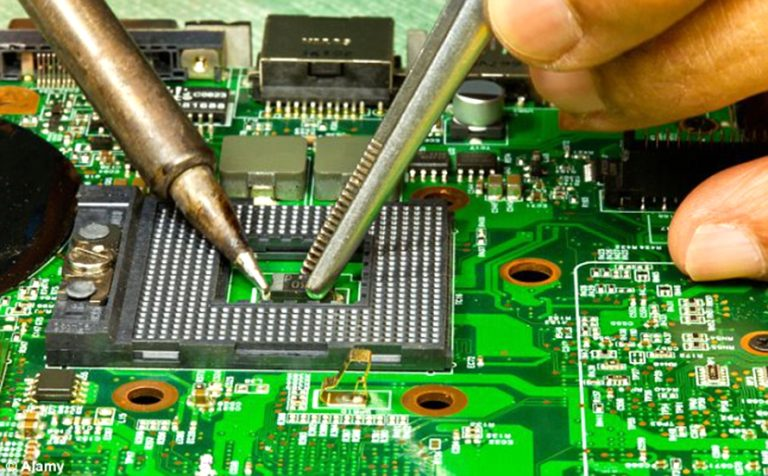
BGA Assembly: Beginner’s Guide to Ball Grid Array Assembly

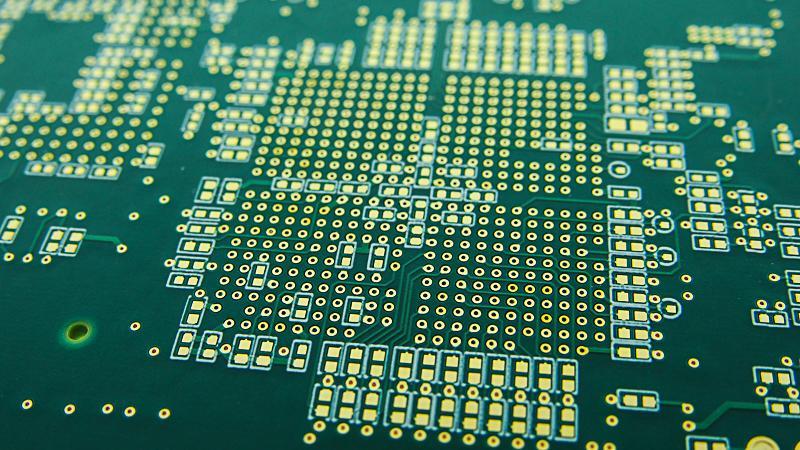
Why BGA Assembly Is Critical in Modern PCB Design As electronic devices move toward miniaturization, high-speed performance, and high pin-count integration, the Ball Grid Array (BGA) assembly has become a mainstream packaging technology in: Microprocessors (CPU/GPU) FPGAs High-speed communication ICs Memory devices (DDR, LPDDR) Compared with traditional packages (QFP, SOP), BGA offers: Higher I/O density...

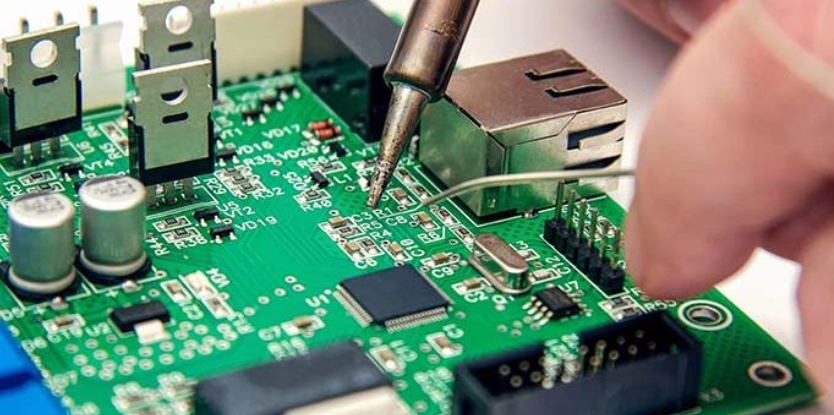
How to Remove Flux from PCB?

During PCB soldering and PCB assembly (PCBA), flux is widely used to ensure strong and reliable electrical connections. However, removing flux from PCB after soldering is equally important. Excess flux residue on PCB can lead to signal interference, corrosion, leakage current, and long-term reliability issues. This guide explains how to remove flux from PCB, covering...

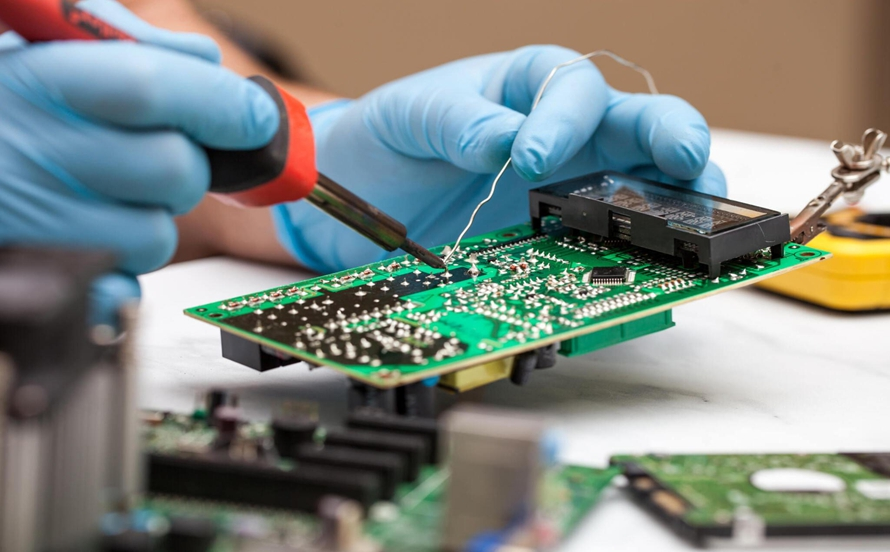
Pros and Cons of Through-Hole PCB Assembly vs. SMT PCB Assembly

Introduction: Choosing the Right PCB Assembly Method In modern electronics manufacturing, selecting the right PCB assembly method is critical for achieving optimal performance, cost efficiency, and product reliability. The two most common methods—Through-Hole PCB Assembly (THT) and SMT PCB Assembly (Surface Mount Technology)—each offer distinct advantages and limitations. Understanding the pros and cons of Through-Hole...

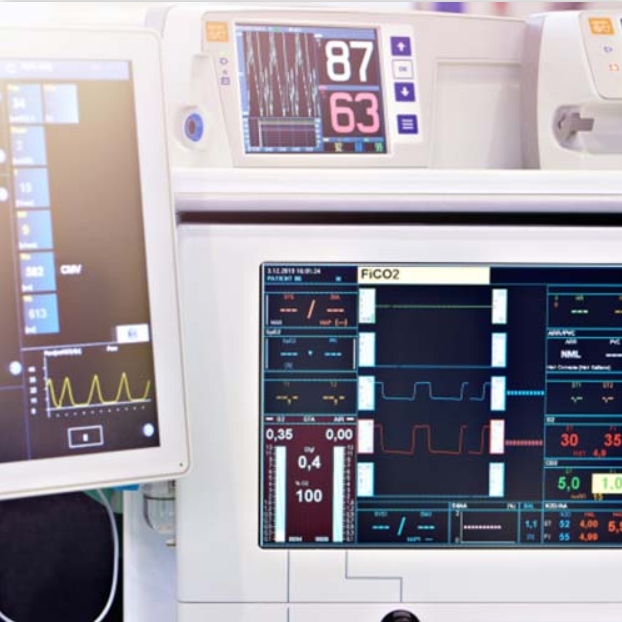
Technology Used in Medical PCB Assembly

The intersection of healthcare and electronics requires a level of precision where failure is not an option. Medical PCB Assembly (PCBA) is governed by rigorous standards like ISO 13485, ensuring that every heartbeat monitor, imaging system, and implantable device operates with 100% reliability. As medical devices shrink in size while increasing in complexity, specialized assembly technologies have become...

How to Make Flexible and Rigid-Flex PCB Assemblies?

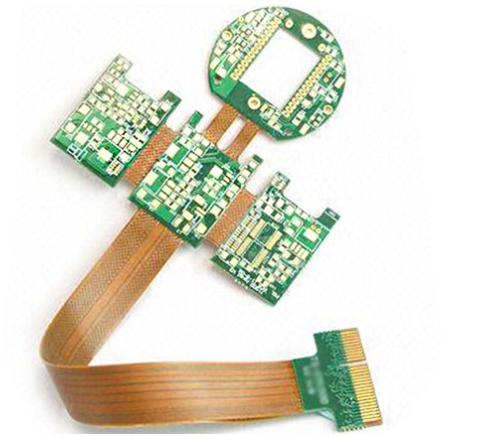
Rigid-flex PCB technology combines the advantages of both rigid PCBs and flexible circuits, enabling engineers to achieve compact, lightweight, and highly reliable electronic designs. Compared with traditional rigid boards, rigid-flex PCBs provide greater design freedom by allowing three-dimensional assembly, reducing connector usage, and improving mechanical reliability in applications with limited space. As electronic products continue...

What is a High Frequency PCB?

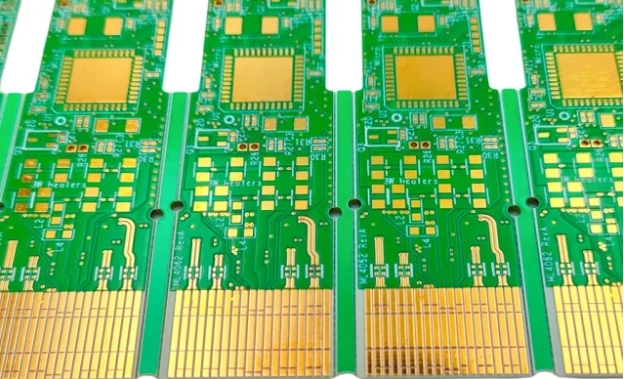
Introduction: Why High Frequency PCB Matters As modern electronics continue to evolve toward high-speed communication and high-frequency signal transmission, the demand for High Frequency PCBs has grown significantly. Applications such as 5G communication, radar systems, and satellite technology require circuit boards that can handle high-frequency signals with minimal signal loss and excellent signal integrity. Understanding...

PCB Warpage: Causes, Prevention & Solutions Explained

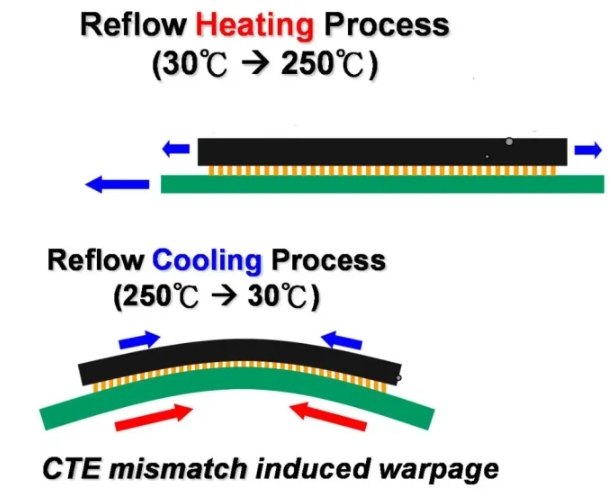
In PCB manufacturing and assembly, dimensional stability is a critical factor that directly affects product reliability and production yield. One common but often underestimated challenge is PCB warpage. PCB warpage occurs when a circuit board bends, twists, or loses its original flatness due to thermal stress, material characteristics, design imbalance, or manufacturing process variations. Although...