HomeTag

RF PCB - KKPCB

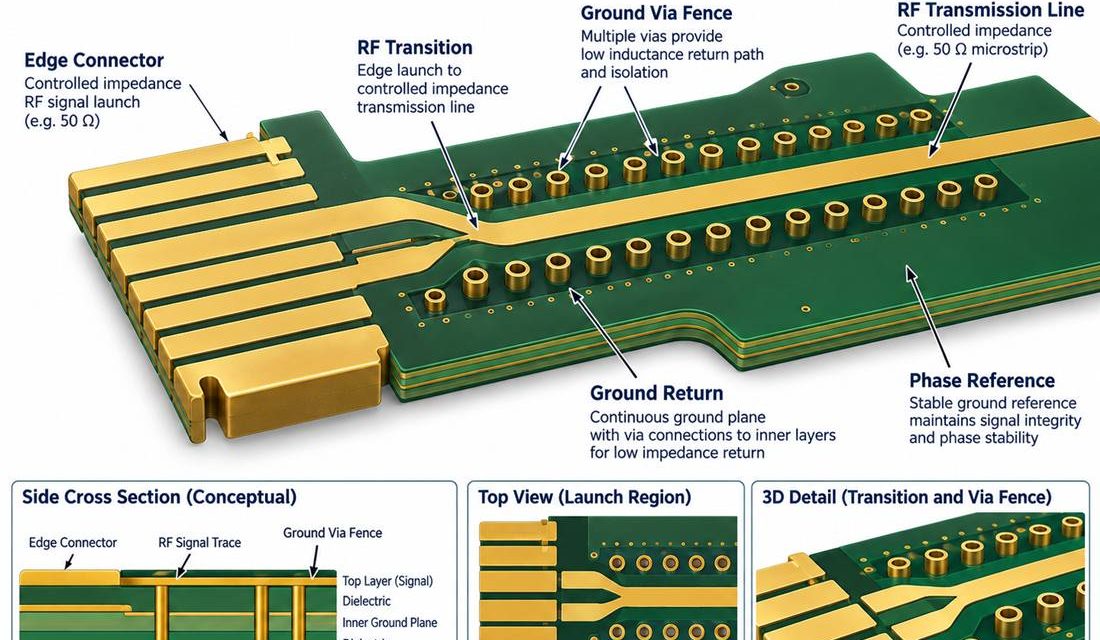
5G PCB Via Launch: 5 Transition Checks

When a team selects 5G PCB, it is usually solving a specific product constraint rather than buying a label. This article takes a transition view of 5G radio-board material choices, copper geometry, controlled references, and power-to-RF partitioning. The project pain is phase drift, insertion-loss budget, thermal coupling from power amplifiers, and a stack-up that changes...
5G PCB Stack-Up: 5 Geometry Controls

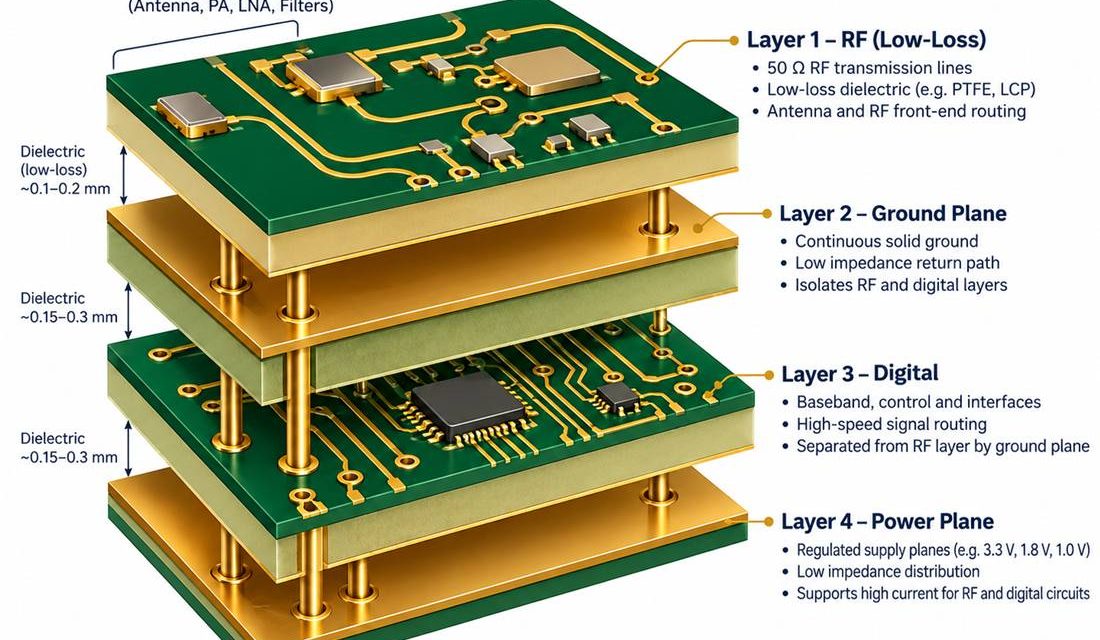
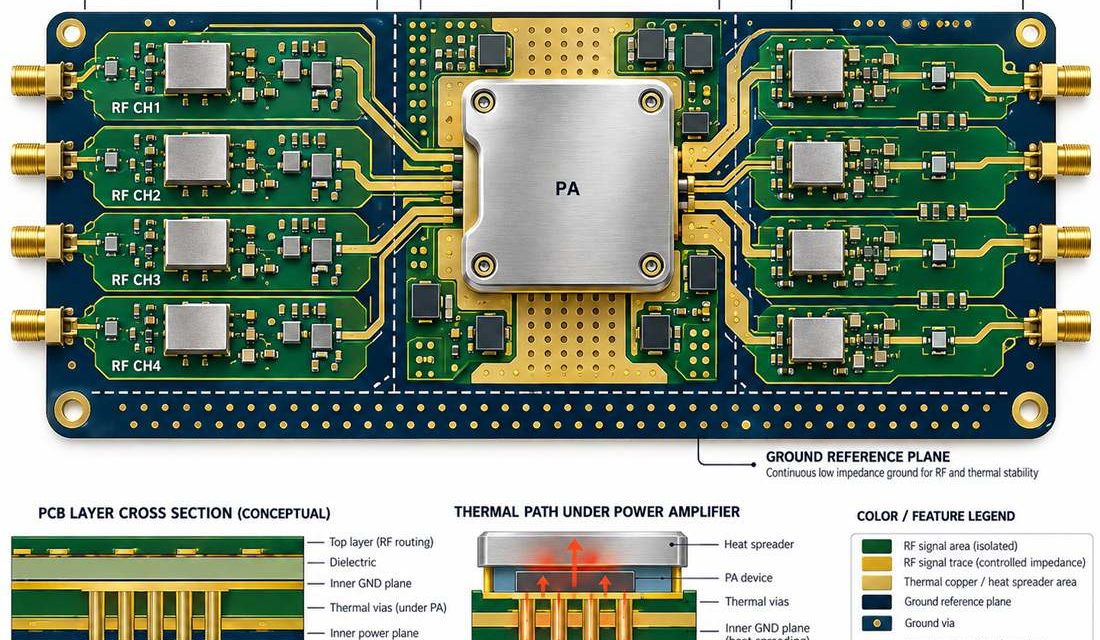
When a team selects 5G PCB, it is usually solving a specific product constraint rather than buying a label. This article takes a stackup view of 5G radio-board material choices, copper geometry, controlled references, and power-to-RF partitioning. The project pain is phase drift, insertion-loss budget, thermal coupling from power amplifiers, and a stack-u p that...

5G PCB Thermal Path: 5 Release Checks

When a team selects 5G PCB, it is usually solving a specific product constraint rather than buying a label. This article takes a thermal view of 5G radio-board material choices, copper geometry, controlled references, and power-to-RF partitioning. The project pain is phase drift, insertion-loss budget, thermal coupling from power amplifiers, and a s tack-up that...

Aluminum Nitride PCB Thermal Paths for RF Power: Releasing Copper and Carrier Interfaces

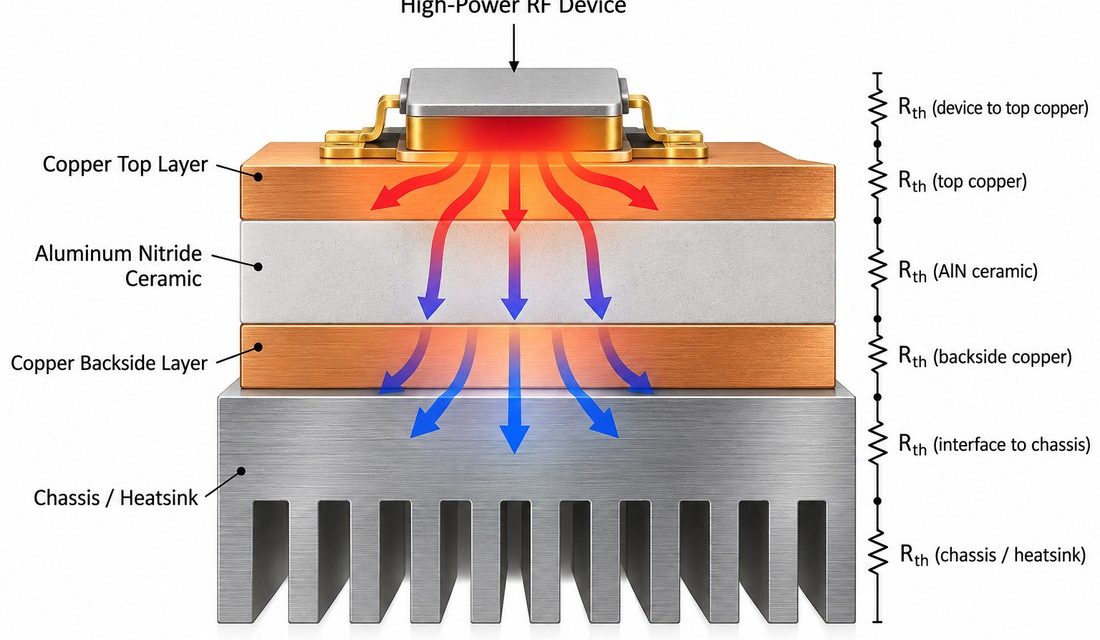
A power amplifier module can have a favorable ceramic thermal value and still miss its temperature margin because the heat path is not released as a complete assembly. An Aluminum Nitride PCB shares heat and RF functions with copper, solder or braze, a carrier, and the enclosure. The project pain is usually an interface assumption:...

Alumina PCB for Automotive Sensors: Moisture, Vibration, and Connector Edge Decisions

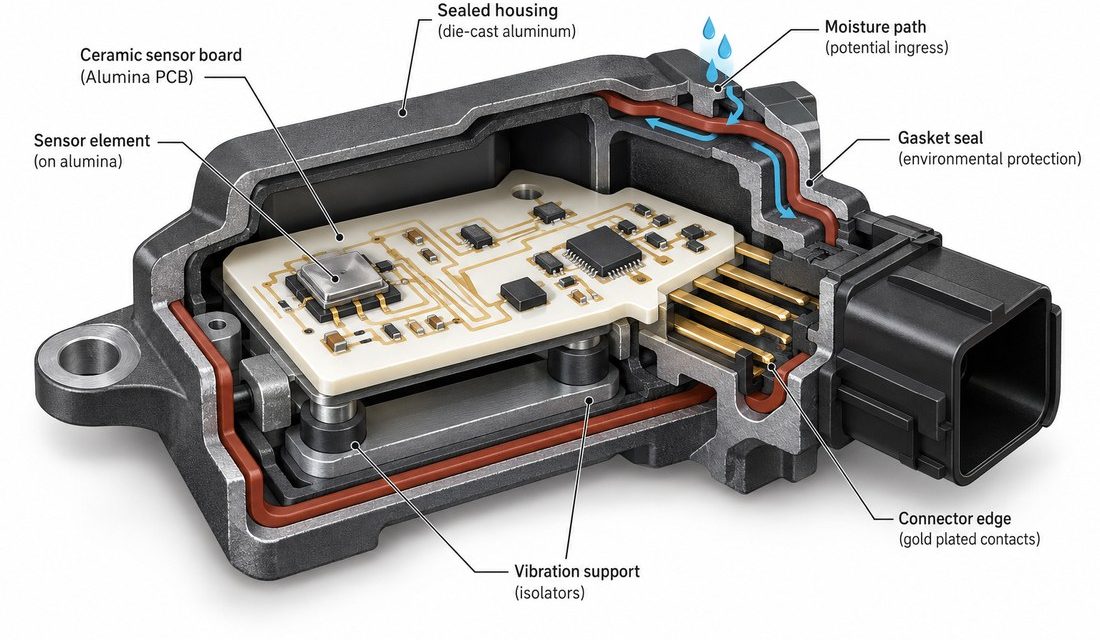
Automotive sensor modules combine a ceramic substrate with a connector, housing, adhesive, shield, and sometimes a high-frequency antenna. The Alumina PCB is stable, but the assembled module still sees vibration, thermal cycling, condensation, and connector loads. The project pain is often a fracture or intermittent contact at an edge feature that was reviewed only as...

PTFE PCB Loss Budgets: Copper Profile Checks for Long RF Paths

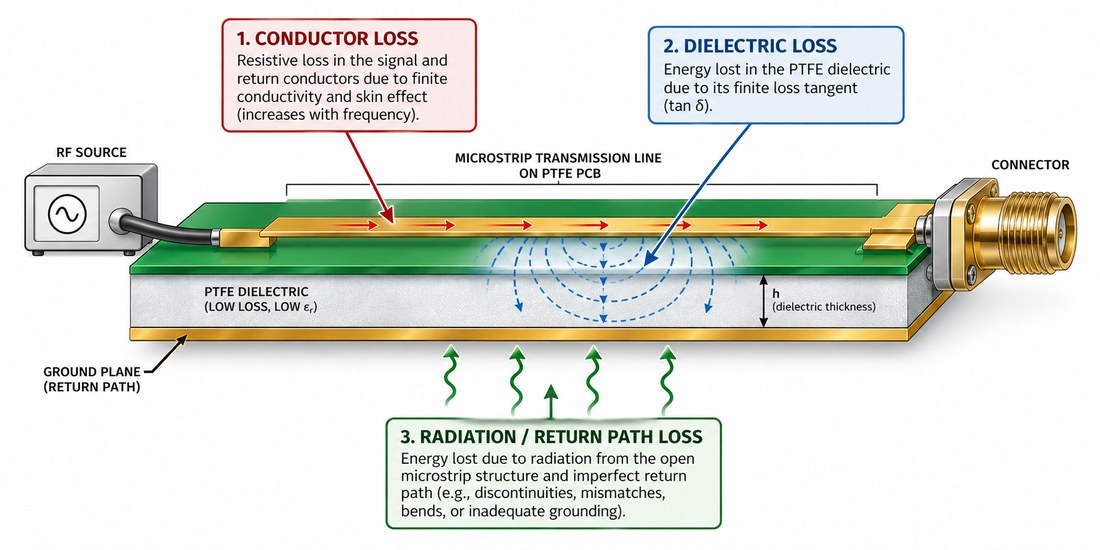
When a microwave path becomes long enough, the material name alone cannot explain insertion loss. A PTFE PCB combines dielectric loss, conductor roughness, trace geometry, resin or ceramic loading, connector transitions, and the return path. Engineers often discover the real problem during a system margin review because the original estimate used a catalog loss tangent...

Ceramic PCB Thermal Interfaces for High-Power RF Modules: A Release Review

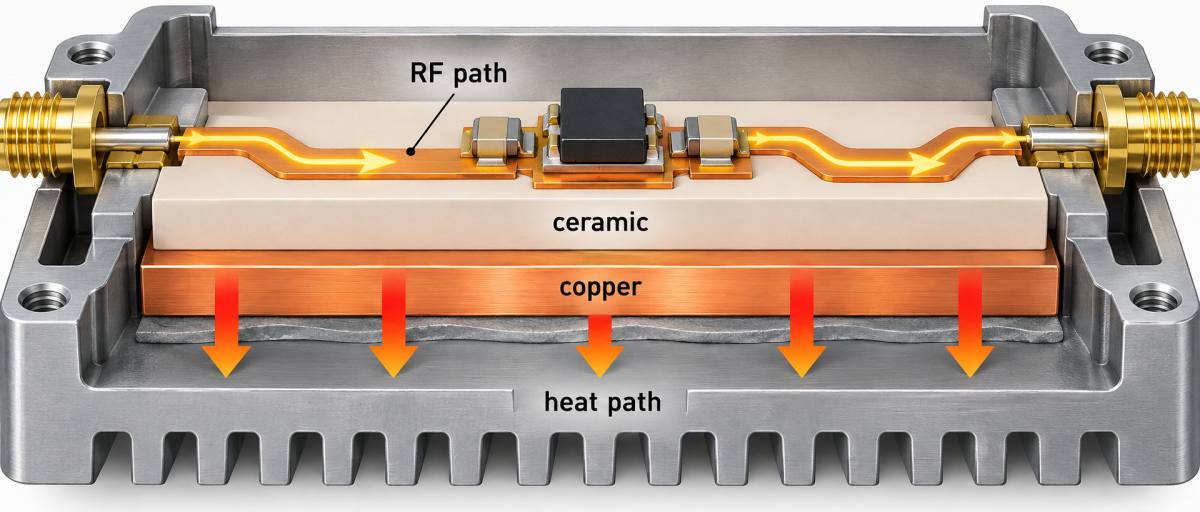
A high-power RF module can meet its electrical target and still fail in the field because the heat path was never released as a complete system. A Ceramic PCB changes the design conversation: the ceramic substrate, copper pattern, attach method, via or metallized interface, and the enclosure all share the same thermal boundary. The project...

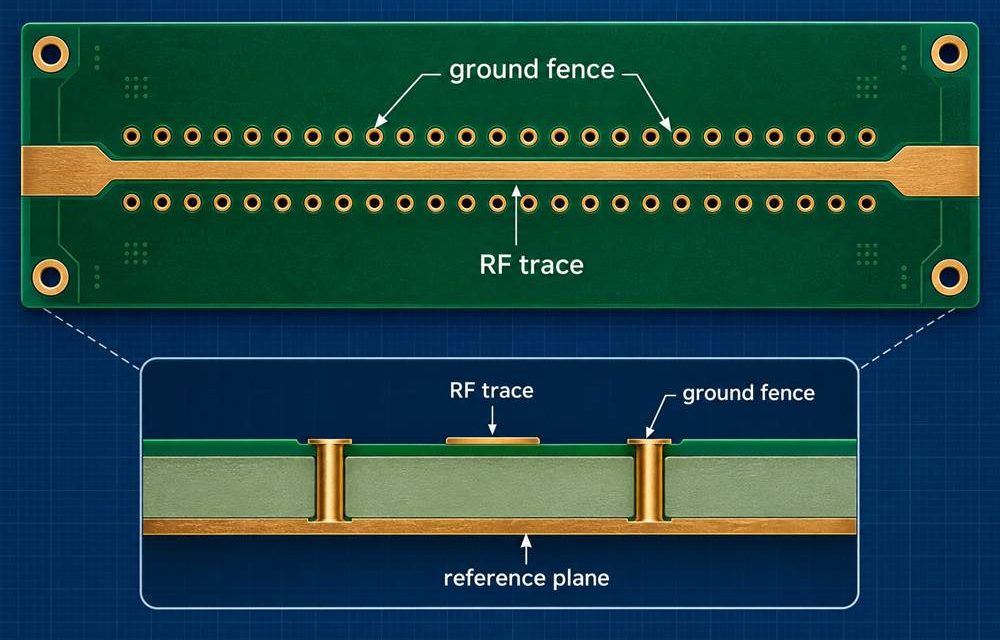
Taconic TLY-5 PCB Via-Fence Design: Containing Coupling Around RF Modules

Table of Contents Locate the coupling path before placing vias Build a repeatable fence and reference transition Coordinate shields, connectors, and assembly access Verify the fence in DFM and first article release Dense wireless modules often pass an electrical review and still show channel-to-channel coupling after the first hardware build. The cause is usually not...

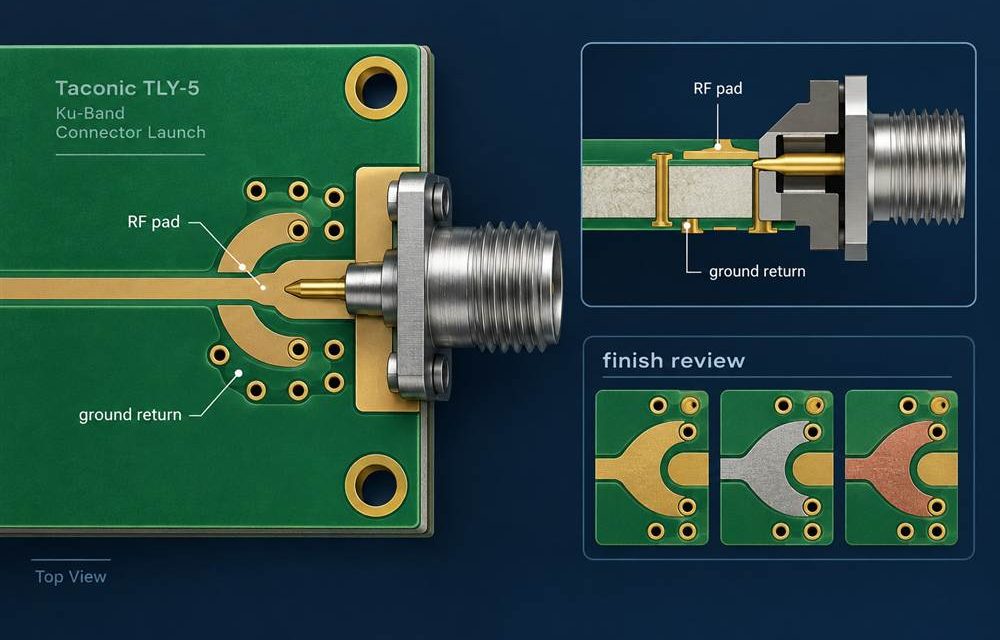
Taconic TLY-5 PCB for Ku-Band Antennas: Managing Phase Stability from Stackup to Launch

Table of Contents Why phase stability starts with the board stackup Translate antenna geometry into a manufacturable launch Control copper, mask, and reference-plane variation Release a verification package for production Ku-band antenna programs rarely fail because the laminate name was absent from the drawing. They fail when a small change in dielectric height, copper profile,...

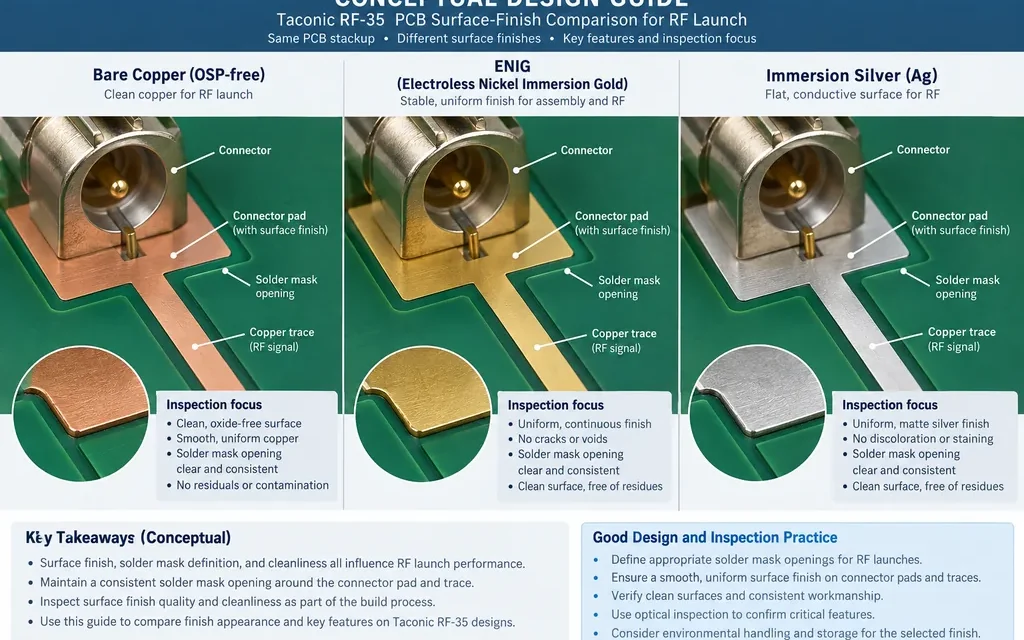
Taconic RF-35 PCB Copper Roughness: Turning Conductor Loss Into a Release Check

Table of Contents Copper profile and loss budget Drawing notes and finished geometry Cross-section inspection Procurement release gate Taconic RF-35 PCB projects often pass a schematic review and still lose margin at the first production build. The hidden variable is frequently conductor loss: copper roughness, finished trace width, etch shape, and the way the reference...