HomeAuthor

kkpcba-辛迪 - KKPCB - Seite 6 von 61

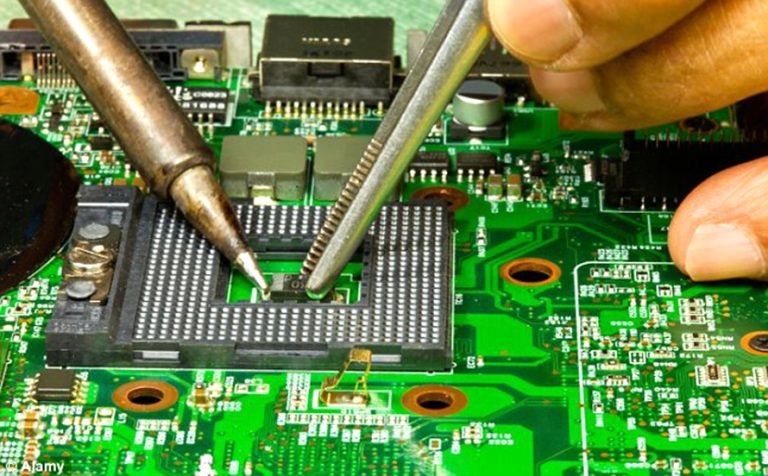
SMT Assembly Instructions: A Beginner’s Guide

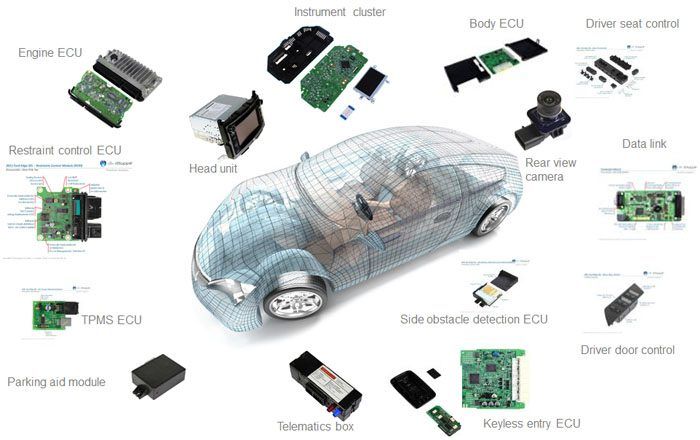
Electronic devices have transformed our lives, from smartphones to electric vehicles, all thanks to continuous innovation and advancements in technology. At the heart of these devices are printed circuit boards (PCBs) that are meticulously manufactured, assembled, and packaged to deliver the final products we rely on. This article explores the PCB Surface Mount Technology (SMT) assembly process,...
PCB Materials: Building Blocks of Electronic Devices

Printed circuit boards (PCBs) are at the heart of modern electronic devices, powering everything from smartphones to aerospace systems. The journey of PCB materials has evolved significantly since their inception in the early 20th century. This article explores the composition, types, and advancements of PCB materials, essential for understanding the foundation of today’s electronic innovations. Evolution...

Difference Between SMT and PTH Assembly: Which is Right for You?

Printed circuit board (PCB) assembly is at the heart of electronic components and gadgets. Designers typically choose between two primary techniques for mounting components on PCBs: SMT (Surface Mount Technology) and PTH (Plated Through Hole). Each method has distinct advantages and disadvantages, making the selection dependent on specific project requirements. What is SMT (Surface Mount Technology)? Surface Mount Technology...

SMT Assembly vs Through-Hole Assembly: Advantages and Disadvantages

When it comes to assembling Printed Circuit Boards (PCBs), there are two primary technologies: Surface Mount Technology (SMT) assembly and Through-Hole Technology (PTH) assembly. Understanding their differences, advantages, and disadvantages is crucial for selecting the best option for your PCB-based project. This guide by Viasion experts provides a comprehensive comparison to help you make an informed decision. What...

Understanding BGA PCB Assembly

Ball Grid Array (BGA) technology has revolutionized the world of circuit board assembly, providing a reliable and efficient method for mounting components on printed circuit boards (PCBs). In this blog, we will explore the basics of BGA PCB assembly, discussing why it is so popular in modern electronics, the detailed process of mounting BGAs, and key considerations...

BGA Assembly: Beginner’s Guide to Ball Grid Array Assembly

Why BGA Assembly Is Critical in Modern PCB Design As electronic devices move toward miniaturization, high-speed performance, and high pin-count integration, the Ball Grid Array (BGA) assembly has become a mainstream packaging technology in: Microprocessors (CPU/GPU) FPGAs High-speed communication ICs Memory devices (DDR, LPDDR) Compared with traditional packages (QFP, SOP), BGA offers: Higher I/O density...

Importance of PCB Assembly in Circuit Board Protection

In the fast-paced world of technology, printed circuit boards (PCBs) quietly protect the functionality of electronic devices. In addition to connecting components, PCB assembly is also critical to protecting against potential threats. This blog explores why PCB assembly is critical to circuit board protection and highlights protective measures to ensure the reliability and longevity of electronic products. Join us...

High-Frequency PCB: High-Speed ​​Circuits for Signal Transmission

1. Introduction: Why High-Frequency PCBs Are the Backbone of Modern Signal Transmission In today’s electronics industry, the demand for high-speed signal transmission and high-frequency communication is rapidly increasing due to the expansion of 5G/6G networks, automotive radar systems, satellite communications, and data center interconnects. At these high frequencies (GHz to mmWave range), signal behavior is...