HomeCategory

PCB Materials | FR-4, High-Frequency, Low-Loss & Heavy Copper - KKPCB

What is the Significance of Solder Paste Printing?

1. Introduction: Why Solder Paste Printing Is Critical in SMT Assembly In modern PCB assembly (PCBA) manufacturing, especially in Surface Mount Technology (SMT) processes, solder paste printing is one of the most critical initial steps. Although it may appear simple, solder paste printing directly determines the quality of: Component placement accuracy Solder joint strength Electrical...
Industrial PCB Production

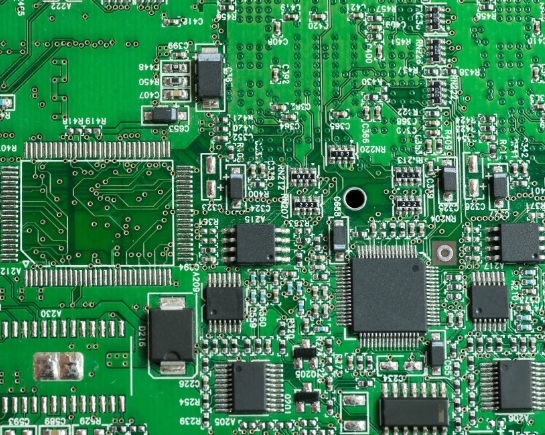
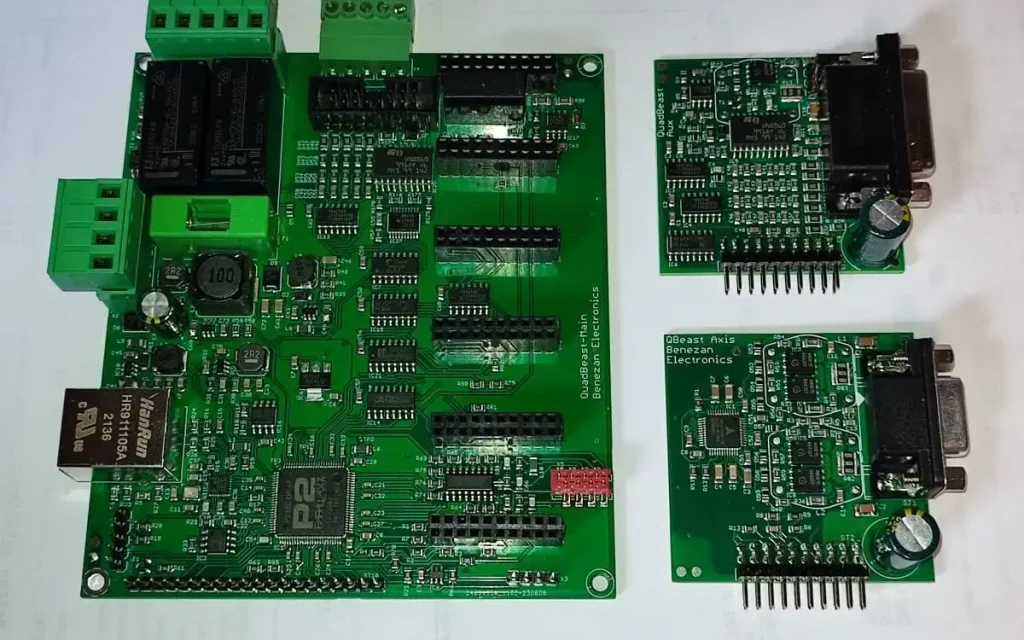
Industrial PCB Production In today’s rapidly evolving industrial landscape, Printed Circuit Boards (PCBs) serve as the critical backbone of automation systems, control equipment, heavy machinery, robotics, and smart manufacturing solutions. Industrial PCB production demands far higher standards than consumer electronics. Boards must deliver exceptional reliability, durability under extreme conditions (vibration, temperature fluctuations, humidity, and dust),...

What is PCB warpage?

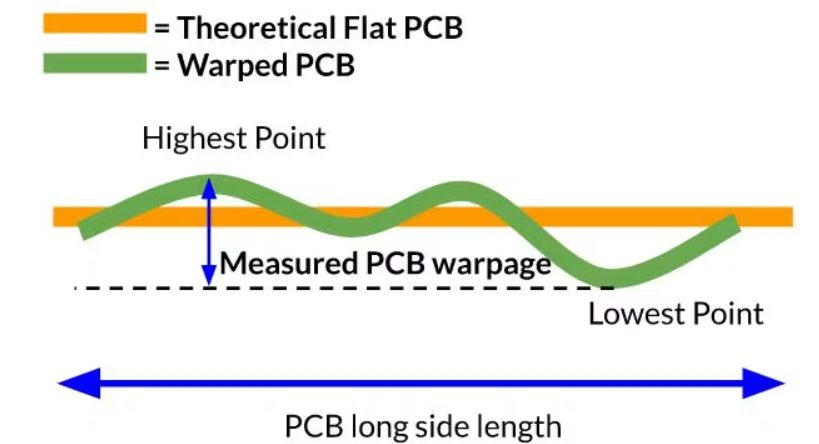
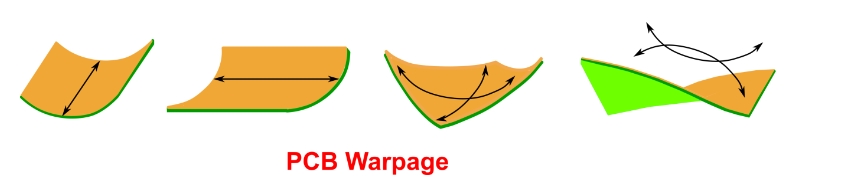
What is PCB Warpage? PCB warpage refers to the unwanted bending, twisting, or deformation of a printed circuit board from its intended flat shape. Ideally, a PCB should maintain a flat and stable surface throughout fabrication, assembly, and operation. However, differences in material properties, thermal expansion, copper distribution, and manufacturing processes can cause the PCB...

How PCB Solder Mask Works

The solder mask is one of the most important layers in printed circuit board (PCB) manufacturing. Although it appears as a simple colored coating on the PCB surface, it plays a critical role in protecting circuits, improving assembly reliability, and ensuring long-term electrical performance. In modern electronic products, PCBs are becoming increasingly compact with: Smaller...

The Important Role of PCB Assembly in Aerospace Technology

In aerospace systems, electronic assemblies operate under some of the most demanding conditions in the world. From aircraft avionics and satellite communication systems to space exploration equipment, PCB assemblies must deliver exceptional reliability, durability, and long-term performance under extreme environments. Unlike standard commercial electronics, aerospace PCB assemblies must withstand temperature fluctuations, vibration, shock, radiation exposure,...

To develop and realize Hybrid PCBs for space applications through indigenous vendors

Space electronic systems require printed circuit boards (PCBs) with exceptional levels of reliability, environmental resistance, and long-term operational stability. Unlike conventional commercial electronics, space applications must withstand extreme conditions including: Large temperature variations Mechanical vibration and shock Radiation exposure Vacuum environments Long mission durations without maintenance As spacecraft systems become more sophisticated, PCB technology must...

How to Check for PCB Warpage: Techniques and Methods

How to Check for PCB Warpage: Techniques and Methods PCB warpage (also known as bow and twist) is a common manufacturing defect that occurs when a printed circuit board deviates from perfect flatness. It can lead to serious issues during SMT assembly, such as poor solder joint formation, component misalignment, open circuits, or bridging. In...

Optimizing PCB Trace Thickness vs. Current Capacity

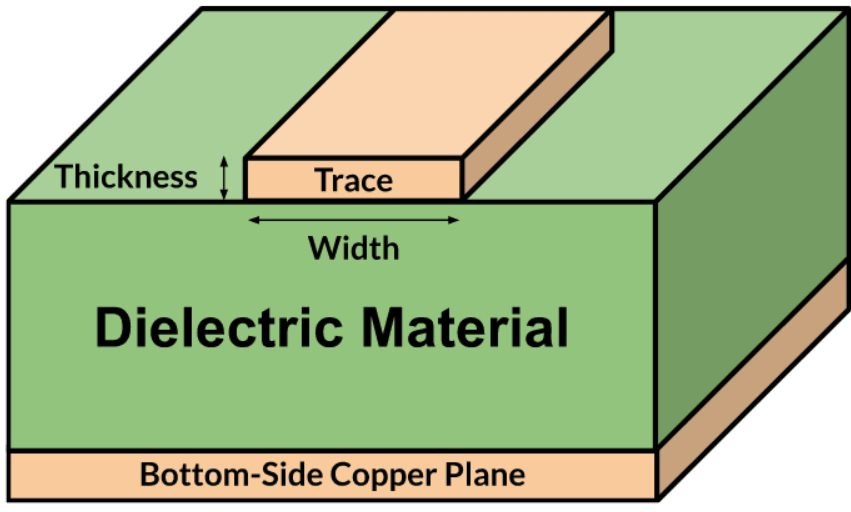
In PCB design, trace thickness and current carrying capacity are closely related factors that directly affect the reliability and performance of electronic systems. As electronic products continue moving toward higher power density, smaller form factors, and increased functionality, PCB traces must handle higher currents while maintaining acceptable temperature rise and electrical stability. Insufficient copper thickness...

Sensors and Transducers in Your PCB Design

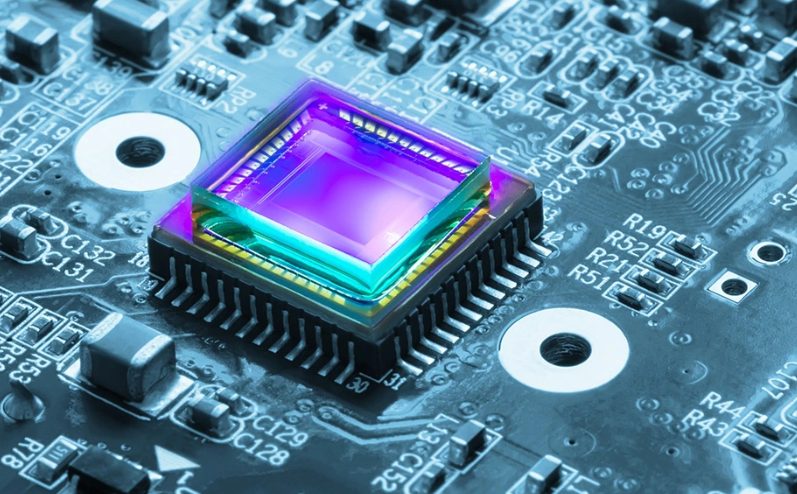
With the rapid development of industrial automation, IoT devices, smart manufacturing, medical electronics, and intelligent monitoring systems, sensors and transducers have become essential components in modern electronic products. A sensor detects physical parameters from the surrounding environment, while a transducer converts these physical signals into electrical signals that can be processed by electronic circuits. In...