PCB Manufacturing Services | High-Quality PCB & PCBA - KKPCB
 
HomeCategory

PCB Manufacturing Services | High-Quality PCB & PCBA - KKPCB

The Impact of IoT on PCB Design and Manufacturing

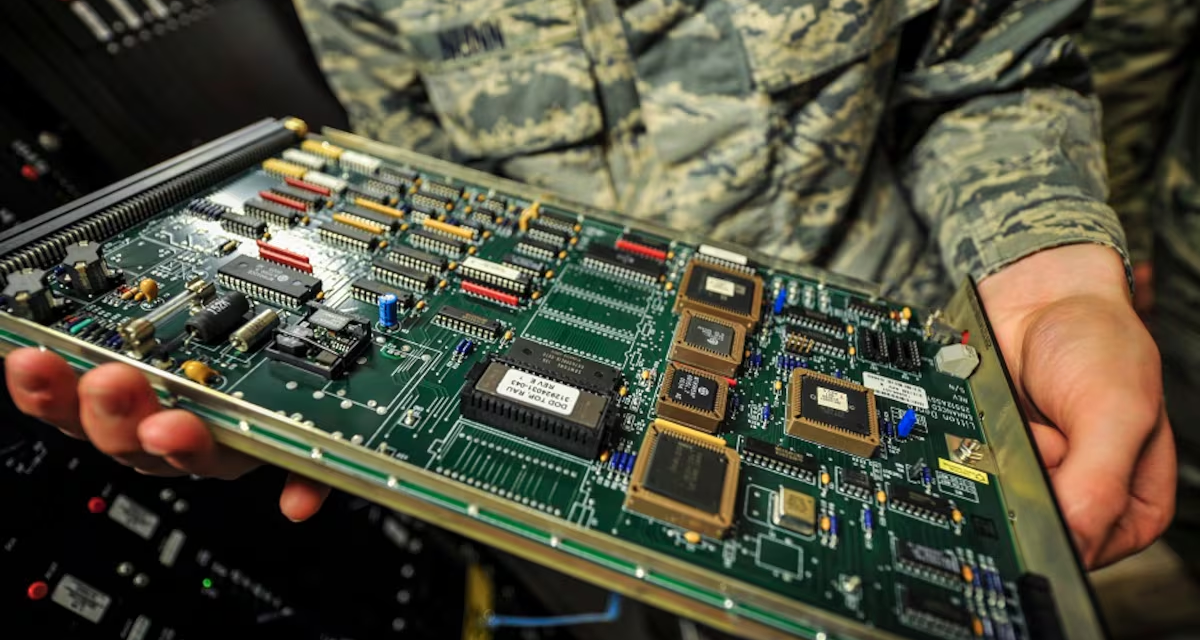
Introduction The Internet of Things (IoT) is revolutionizing industries worldwide, and its influence on Printed Circuit Board (PCB) design and manufacturing is profound. As IoT devices become more compact, efficient, and interconnected, the demand for innovative PCB designs has surged. This blog delves into how IoT is transforming PCB design and manufacturing, the challenges it poses, and...

Copper Core PCB: A Revolution in the Electronics Industry

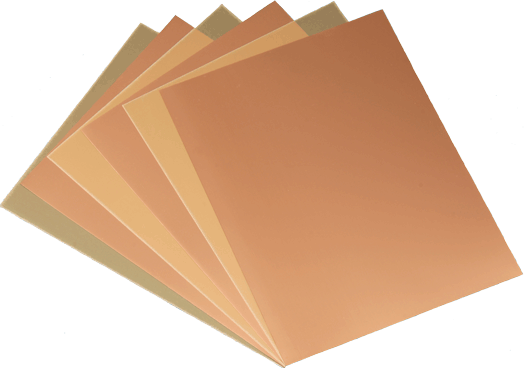
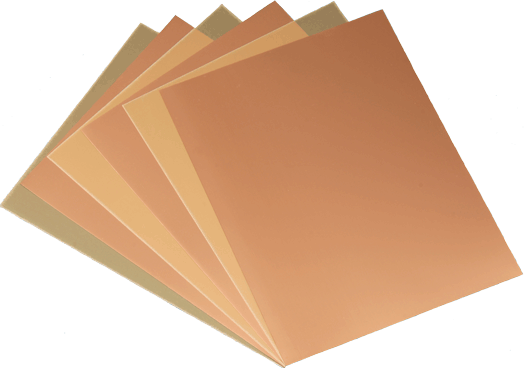
In the ever-evolving world of electronics, the demand for high-performance, reliable circuits continues to soar. Copper core PCBs (Copper Metal Core PCBs) have emerged as a key solution, providing unmatched thermal management and structural integrity for countless applications. In this article, we will briefly outline the scope of our exploration, highlighting the characteristics of copper core PCBs...

Semi-Rigid PCBs: The Future of Compact and Durable Electronics

In the past decade, electronic devices have become increasingly thinner, smarter, and more compact. As the demand for miniaturization and efficiency grows, semi-rigid PCBs have emerged as a well-deserved trend. Their adaptability and versatility make them ideal for applications requiring effective space utilization and enhanced reliability. What is a Semi-Flexible PCB? A semi-flexible PCB is a type of printed...

HDI PCB Design: Comprehensive Guidelines, Processes, and Considerations

In today’s world, electronic products have become more complex than before to achieve better performance and thus transfer data faster than ever before. HDI (High Density Interconnect) is a technology used in PCBs to achieve miniaturization of circuit boards with higher component density. Therefore, HDI PCB design considerations are particularly important in HDI PCB manufacturing. In this article, let’s...

Rigid-Flex PCBs: Features, Benefits and Challenges

Introduction: The Rise of Rigid-Flex PCB Technology As modern electronics continue to evolve toward miniaturization, high reliability, and complex system integration, Rigid-Flex PCBs have become a key solution in advanced PCB design and manufacturing. By combining the strengths of rigid PCBs and flexible PCBs, Rigid-Flex PCB technology enables innovative product designs that are both compact...

What is a Rigid-Flex PCB?

A Rigid-Flex PCB is a hybrid circuit board combining elements of both flexible circuit boards and rigid circuit boards, with an end result of a board that is able to be folded or continuously flexed and is normally formed into a flexed shape or curve during the manufacturing process. The flexible layers of a Rigid-Flex PCB are buried within the board and...

Aluminum PCB vs. Standard PCB: A Complete Guide to Finding the Right One for You!

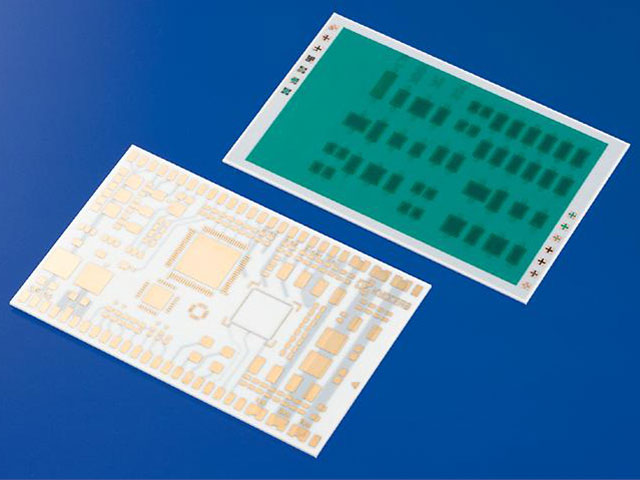
1. Introduction: Why PCB Material Selection Matters In modern PCB design and manufacturing, material selection plays a decisive role in product performance, especially in applications involving high power density, heat dissipation, and reliability requirements. Two of the most commonly compared options are: Aluminum PCB (Metal Core PCB, MCPCB) Standard FR4 PCB Each type has unique...

The Difference between Aluminum PCB and FR4 PCB

With the continuous development of electronic technology, the application of PCBs has become increasingly widespread. PCBs are integral components of electronic devices, playing crucial roles in various applications. Among them, Aluminum PCB and FR4 PCB (Glass Fiber Reinforced Epoxy Resin PCB) are two common types of PCBs with significant differences in terms of materials, performance, and applications....